Cats for beginners
For a first cat, breeds that are uncomplicated, good-natured and not overly demanding work best. They forgive beginner mistakes more readily and manage with a moderate amount of grooming and enrichment.
Here you find 49 beginner cats with all key facts — filtered and comparable.
 AIAI
AIAI 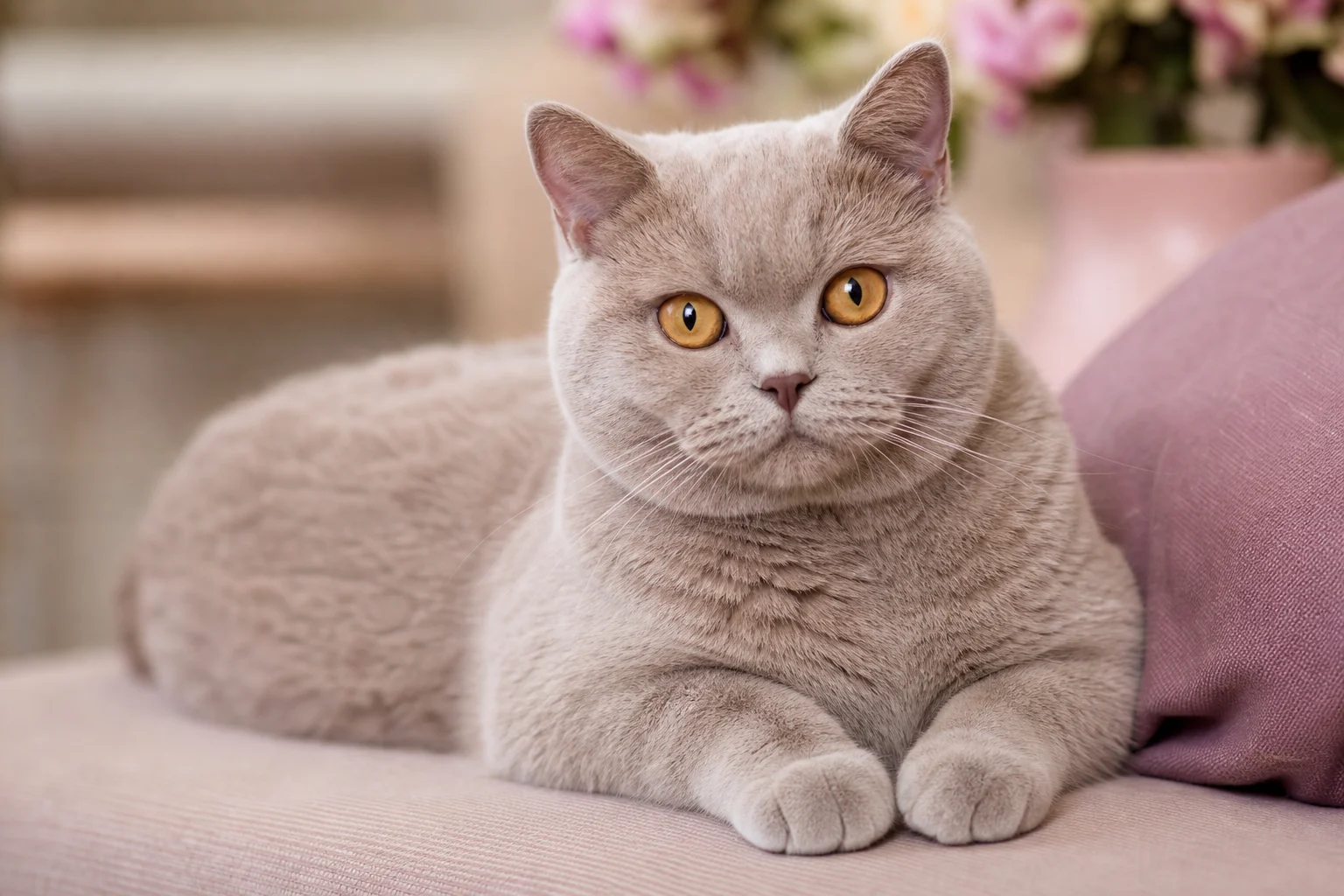 AI
AI 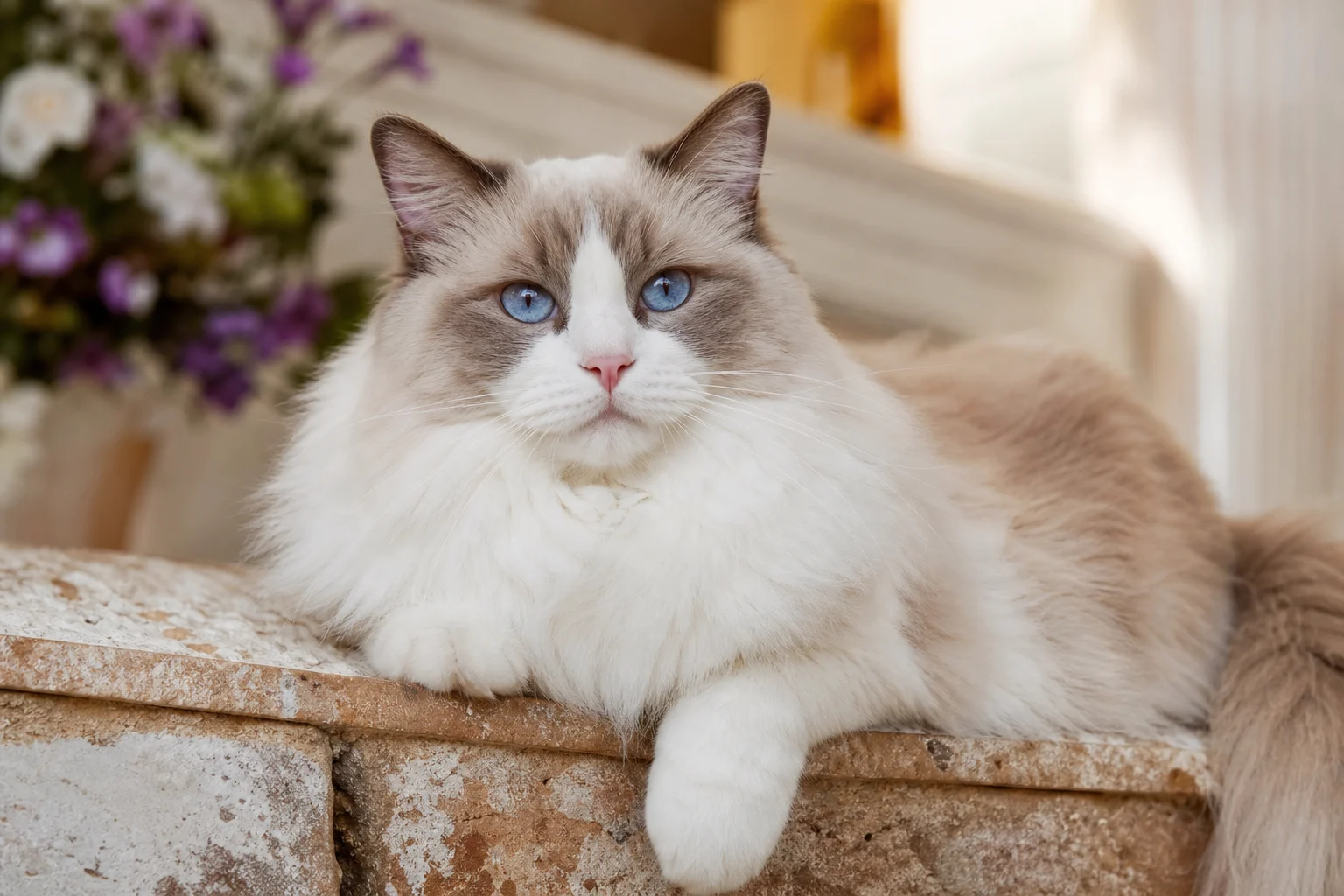 AI
AI  AI
AI 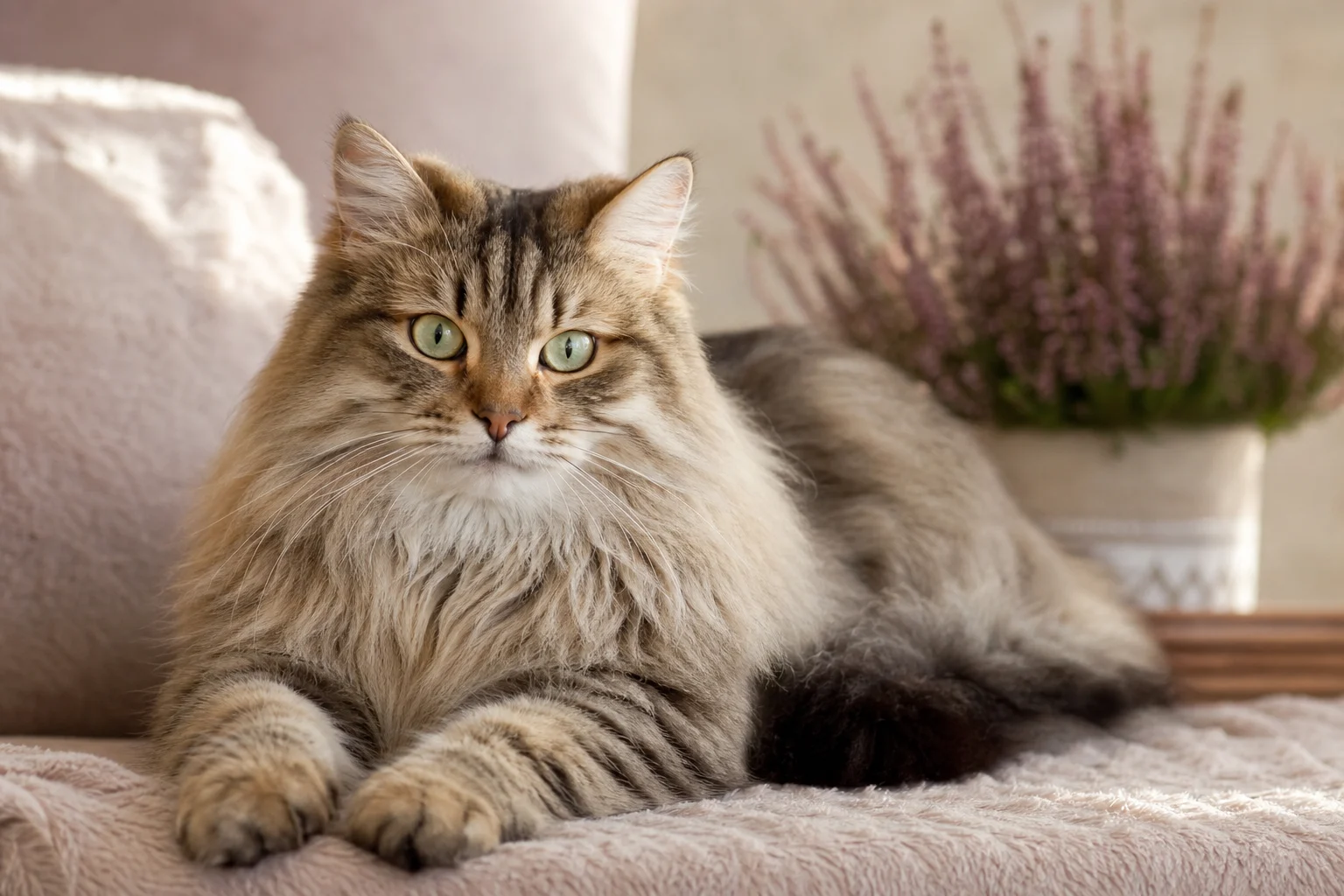 AI
AI 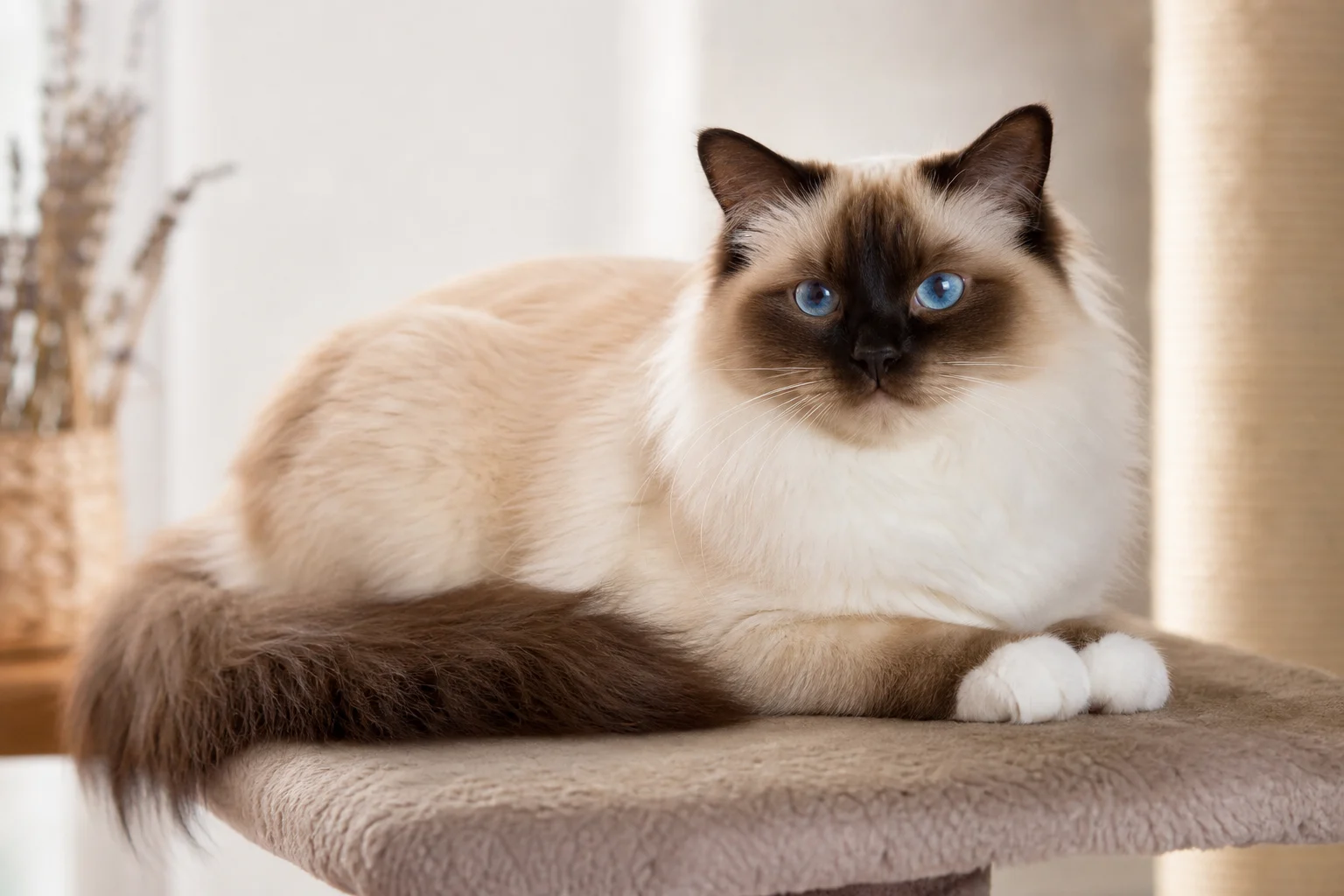 AI
AI 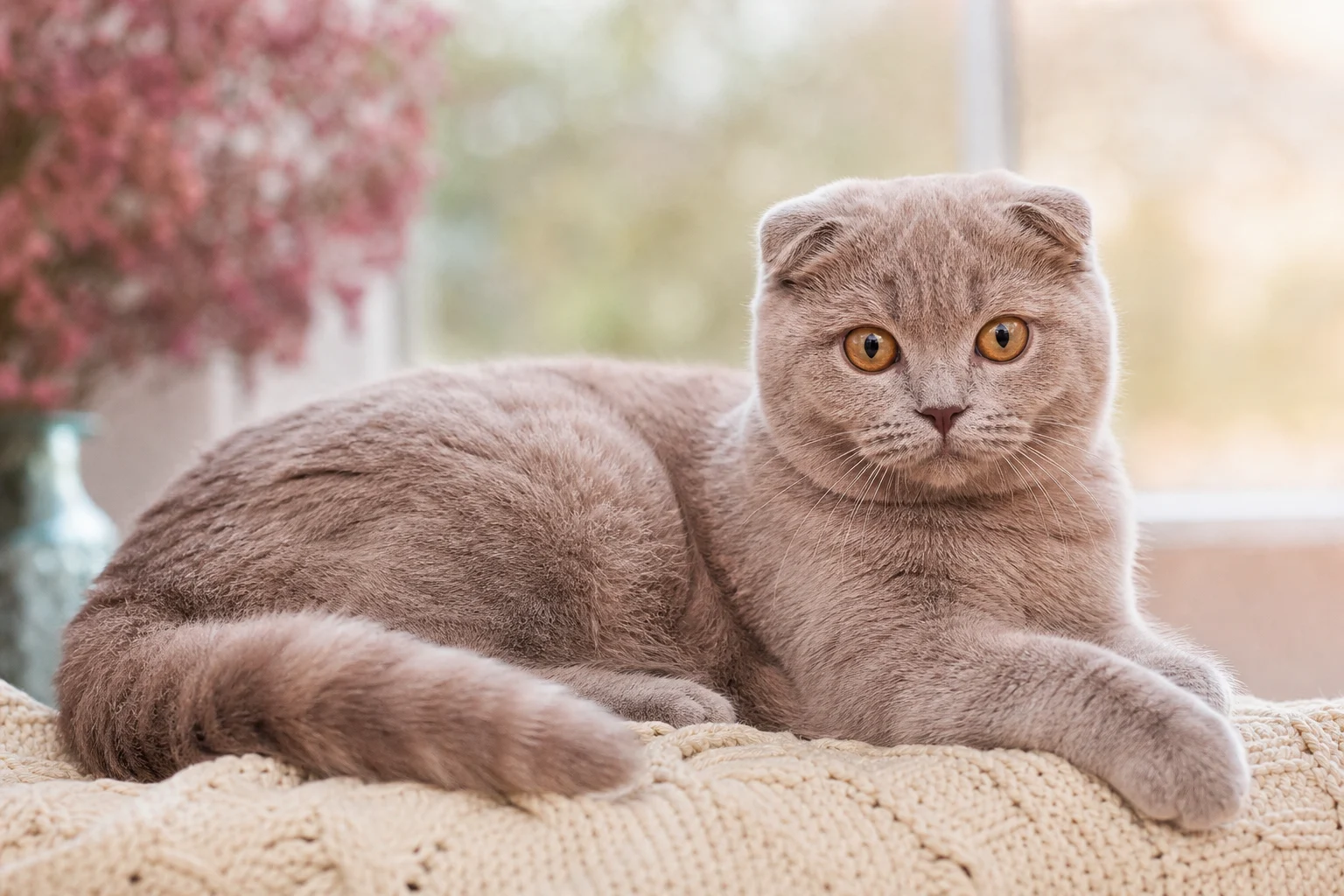 AI
AI 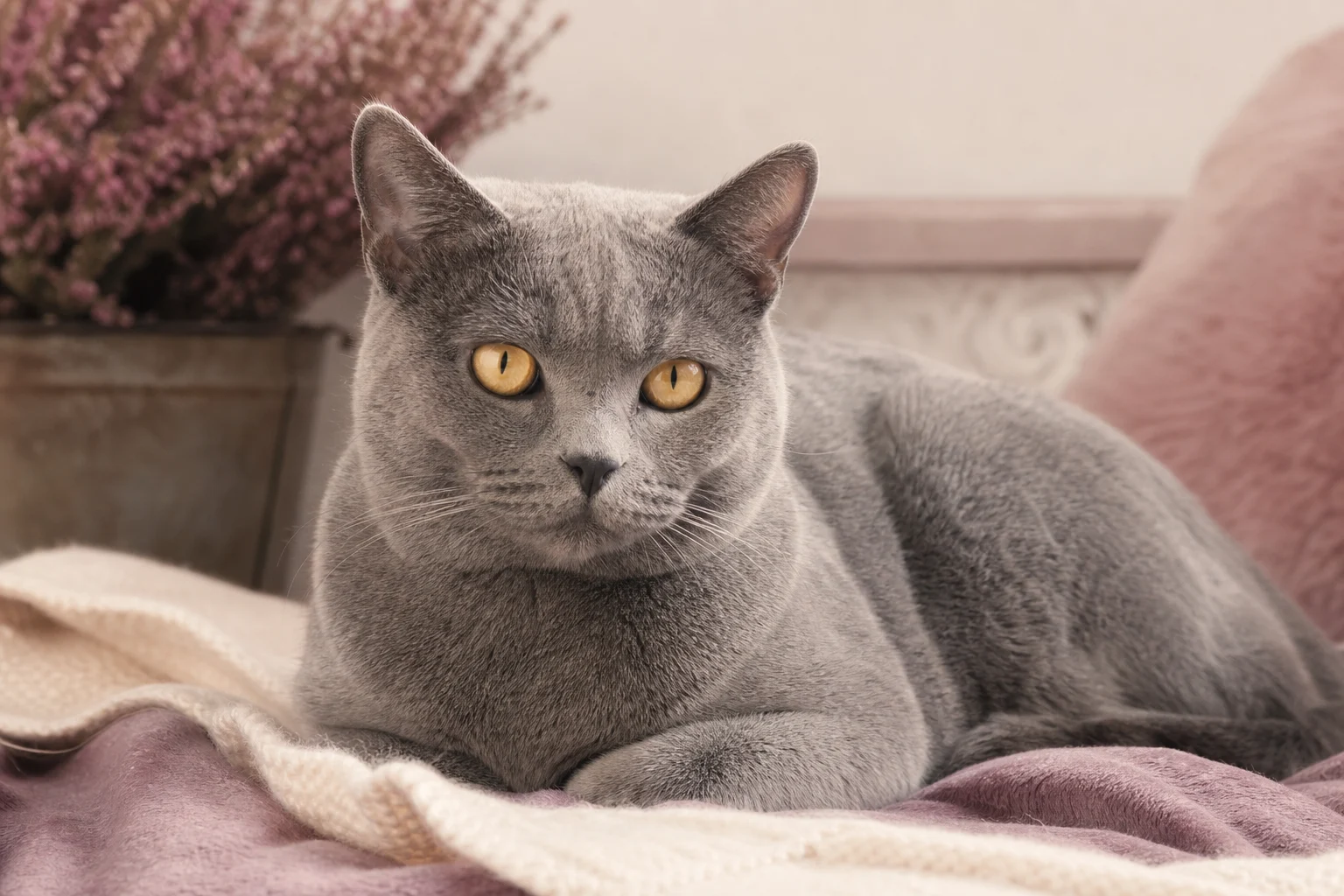 AI
AI 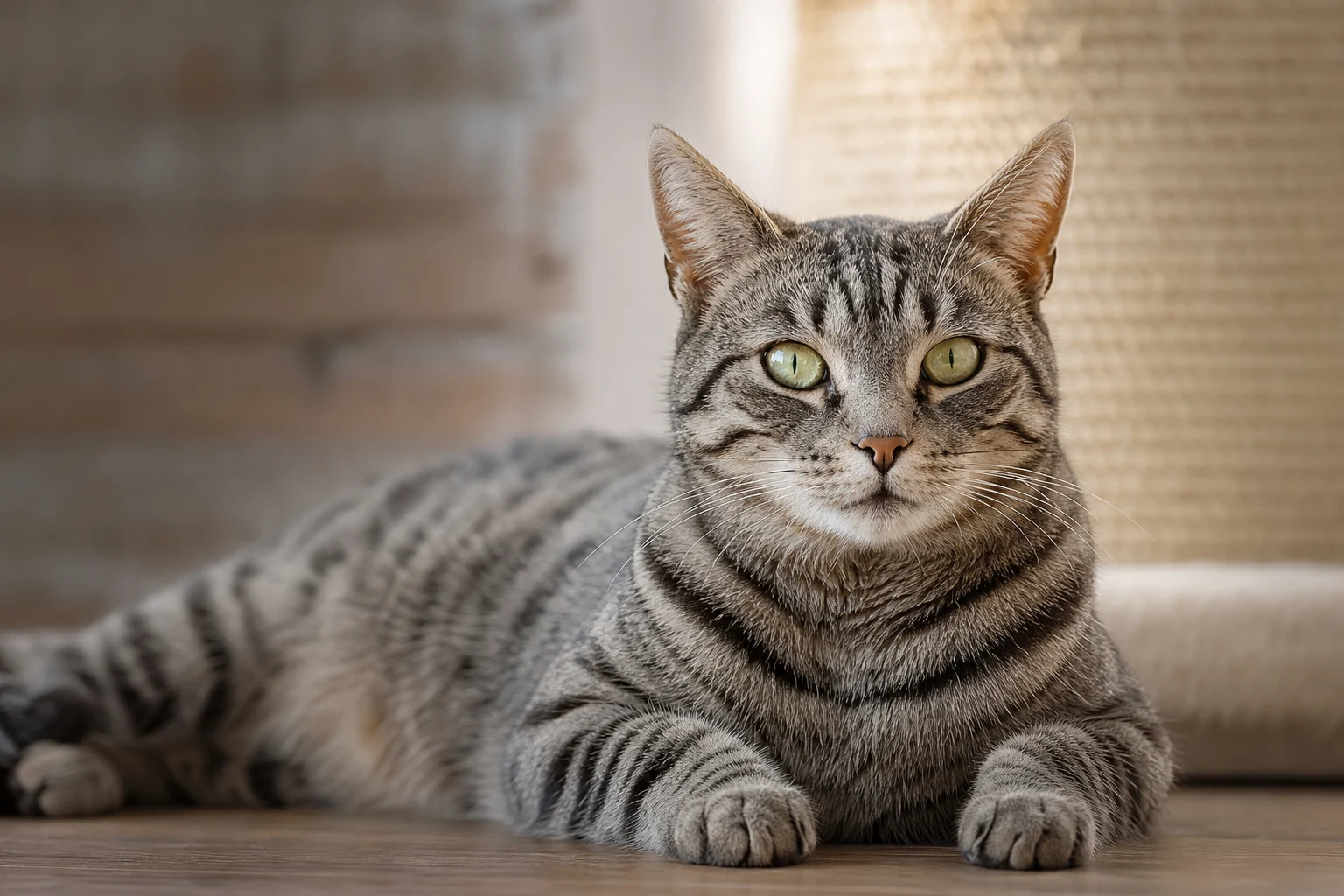 AI
AI  AI
AI  AI
AI 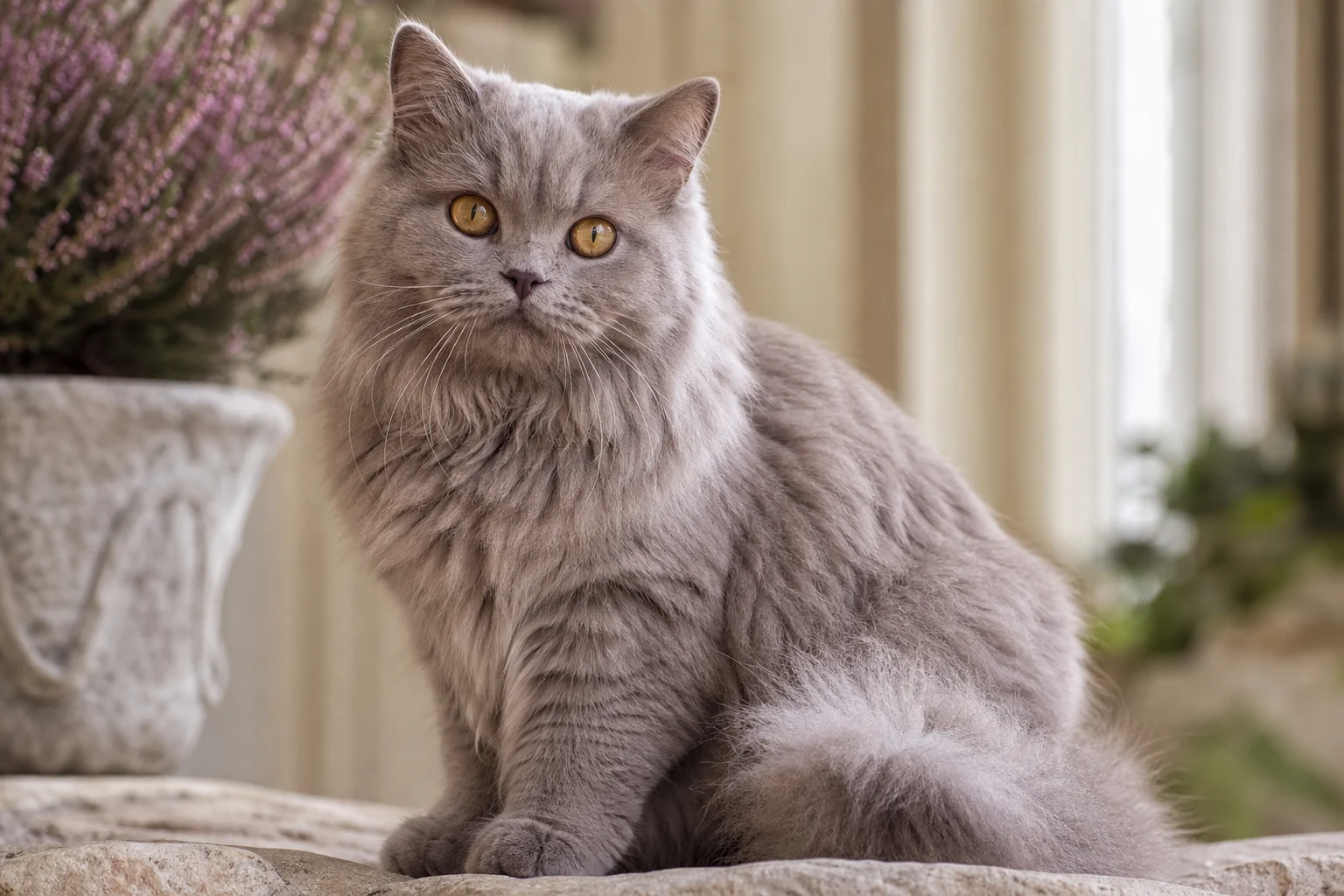 AI
AI  AI
AI  AI
AI  AI
AI  AI
AI  AI
AI  AI
AI  AI
AI  AI
AI 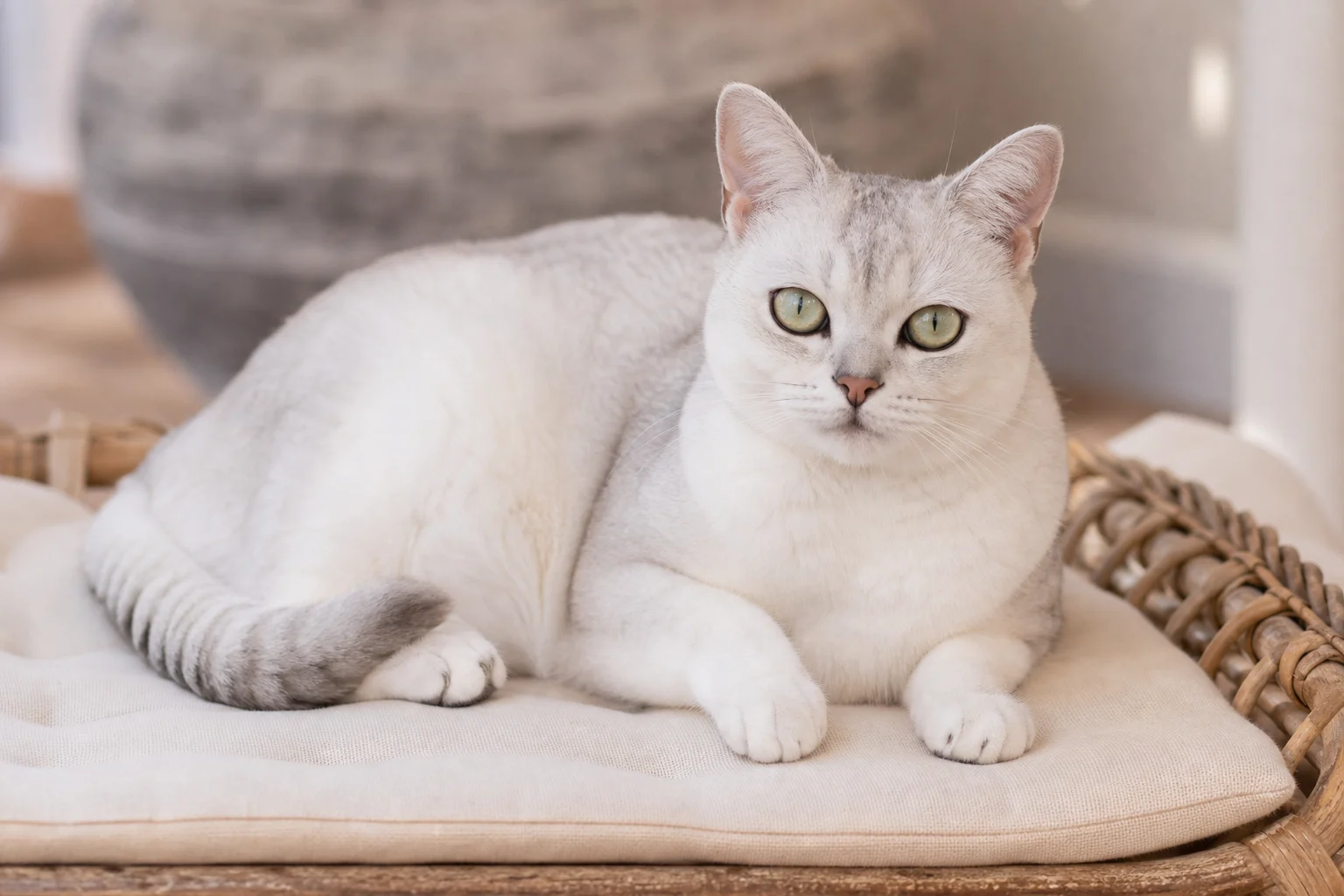 AI
AI 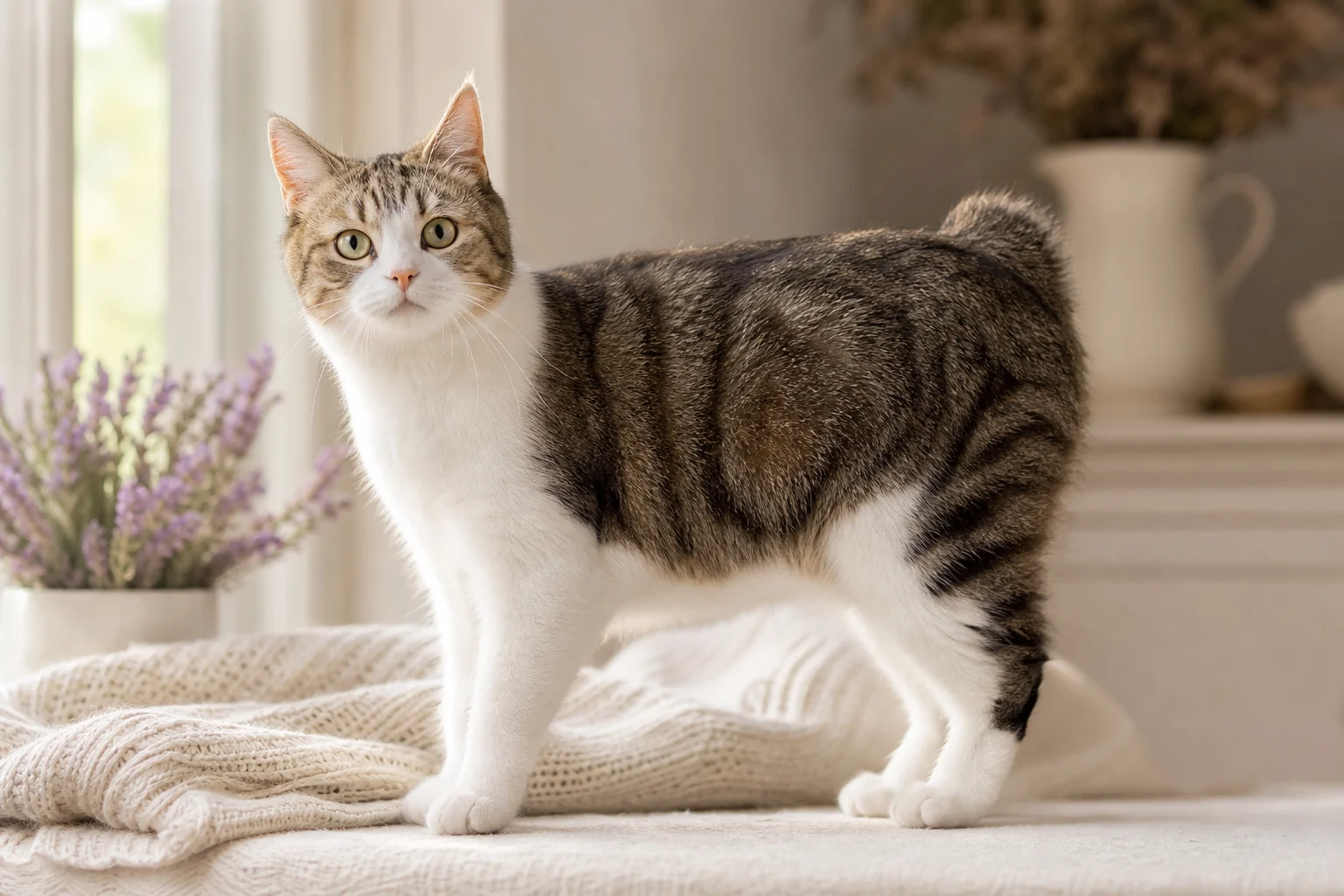 AI
AI 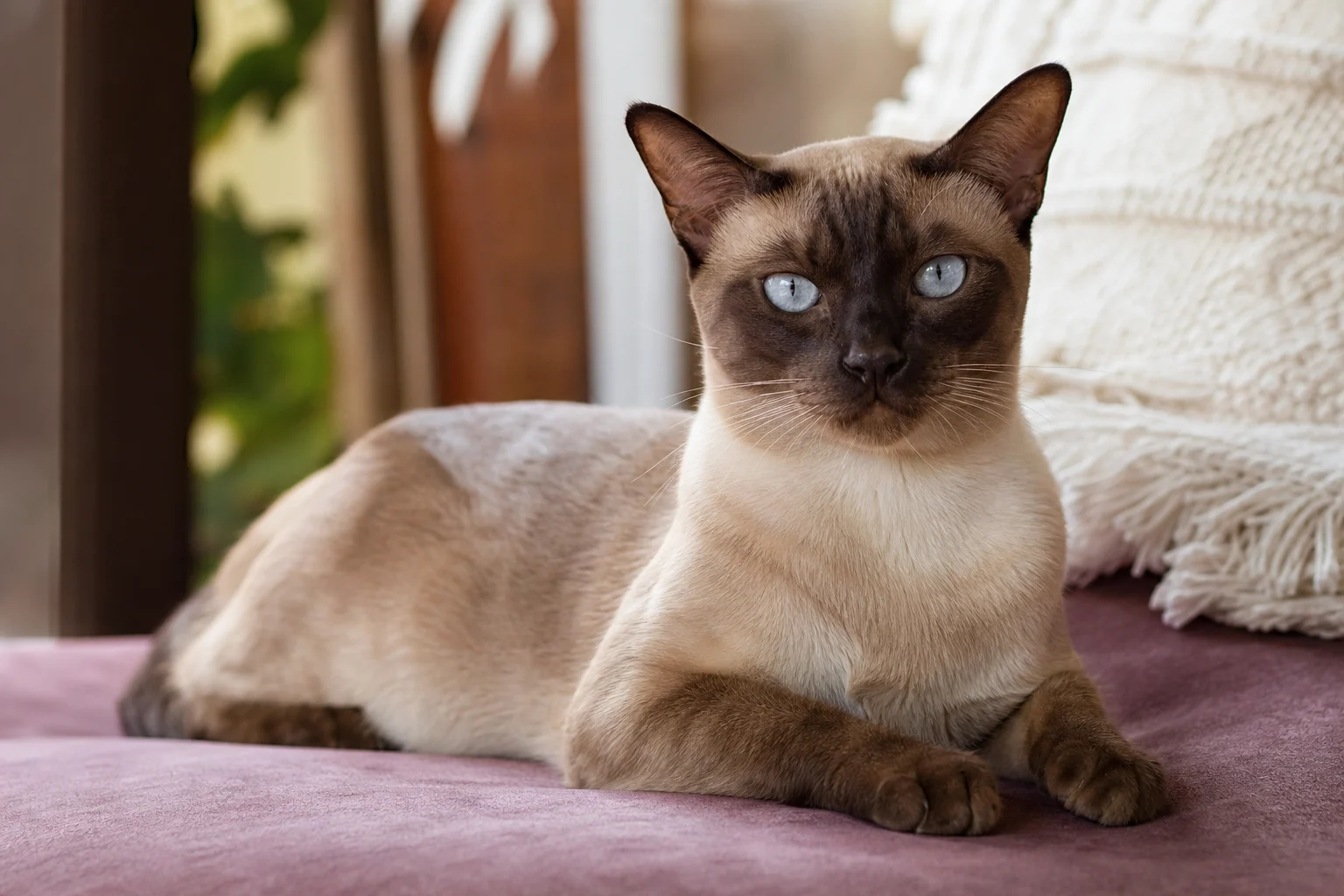 AI
AI 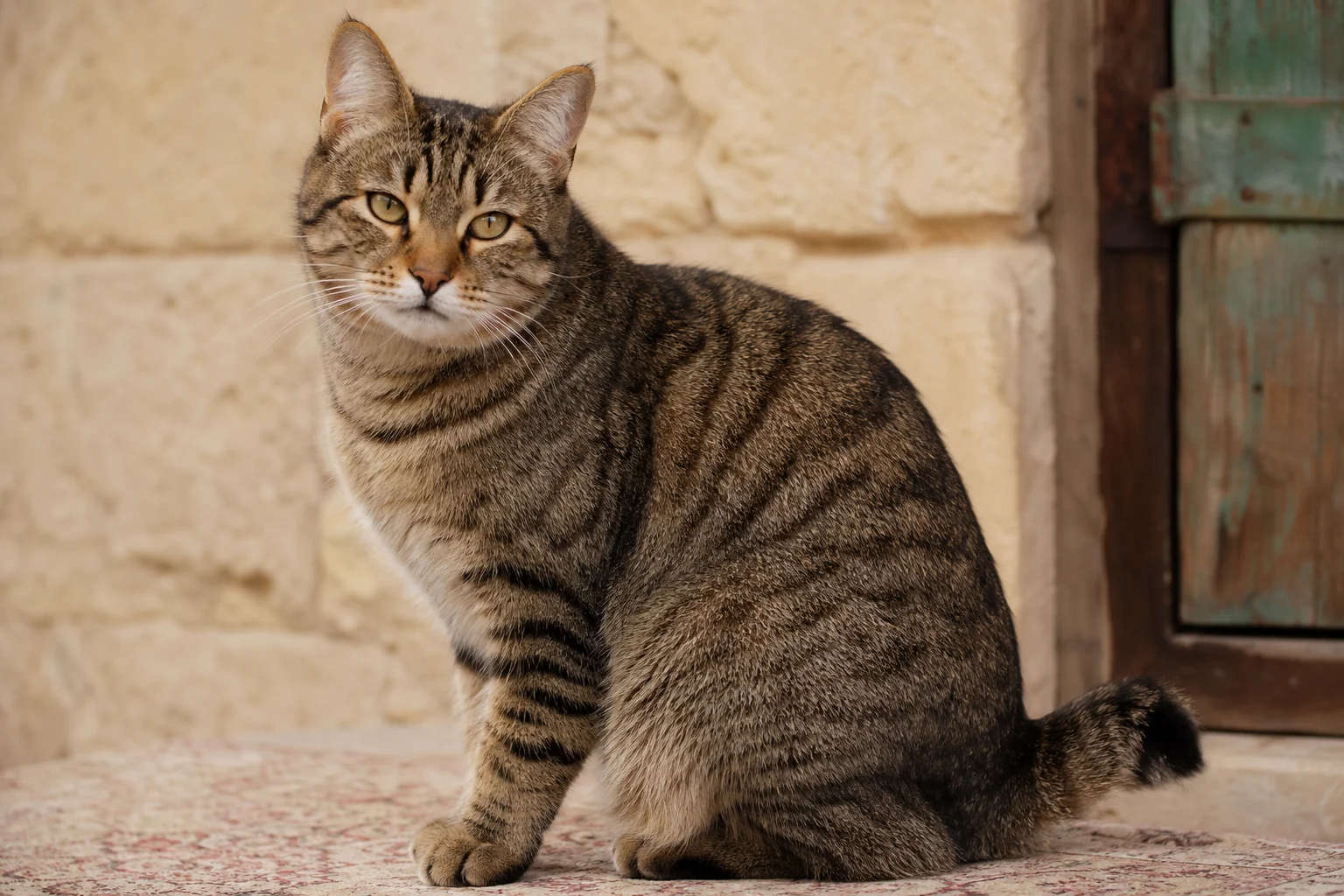 AI
AI  AI
AI  AI
AI  AI
AI  AI
AI  AI
AI  AI
AI  AI
AI  AI
AI 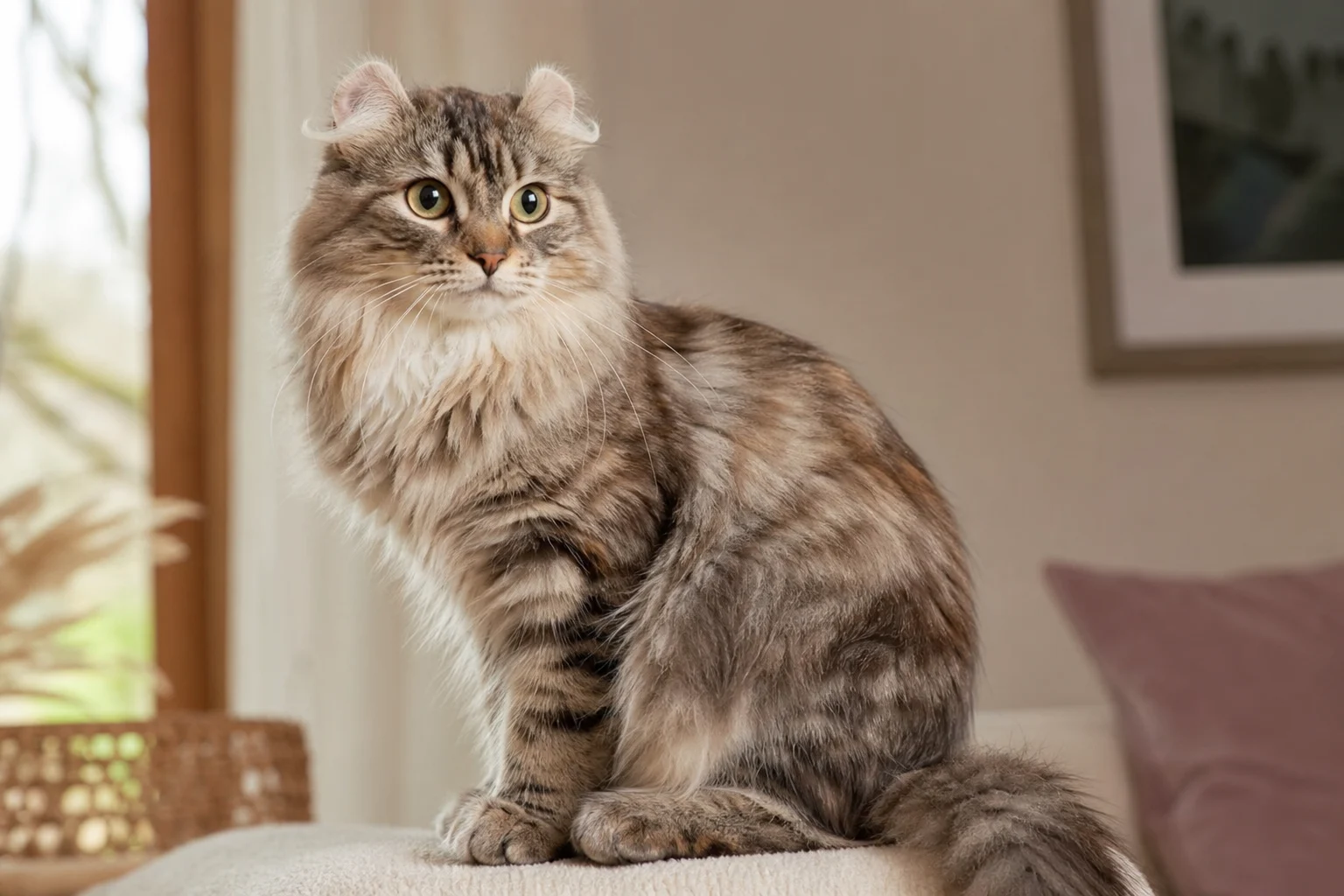 AI
AI 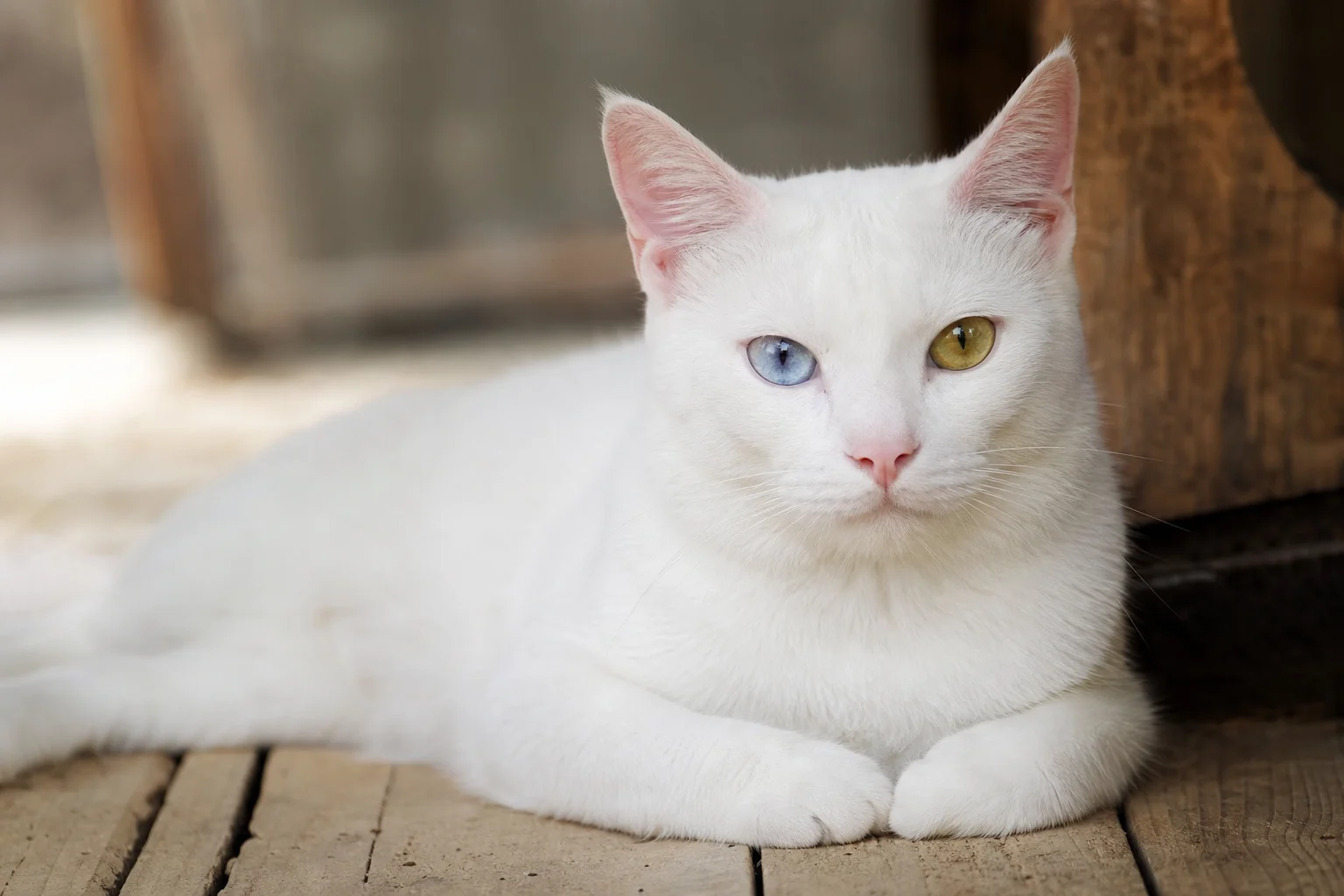 AI
AI 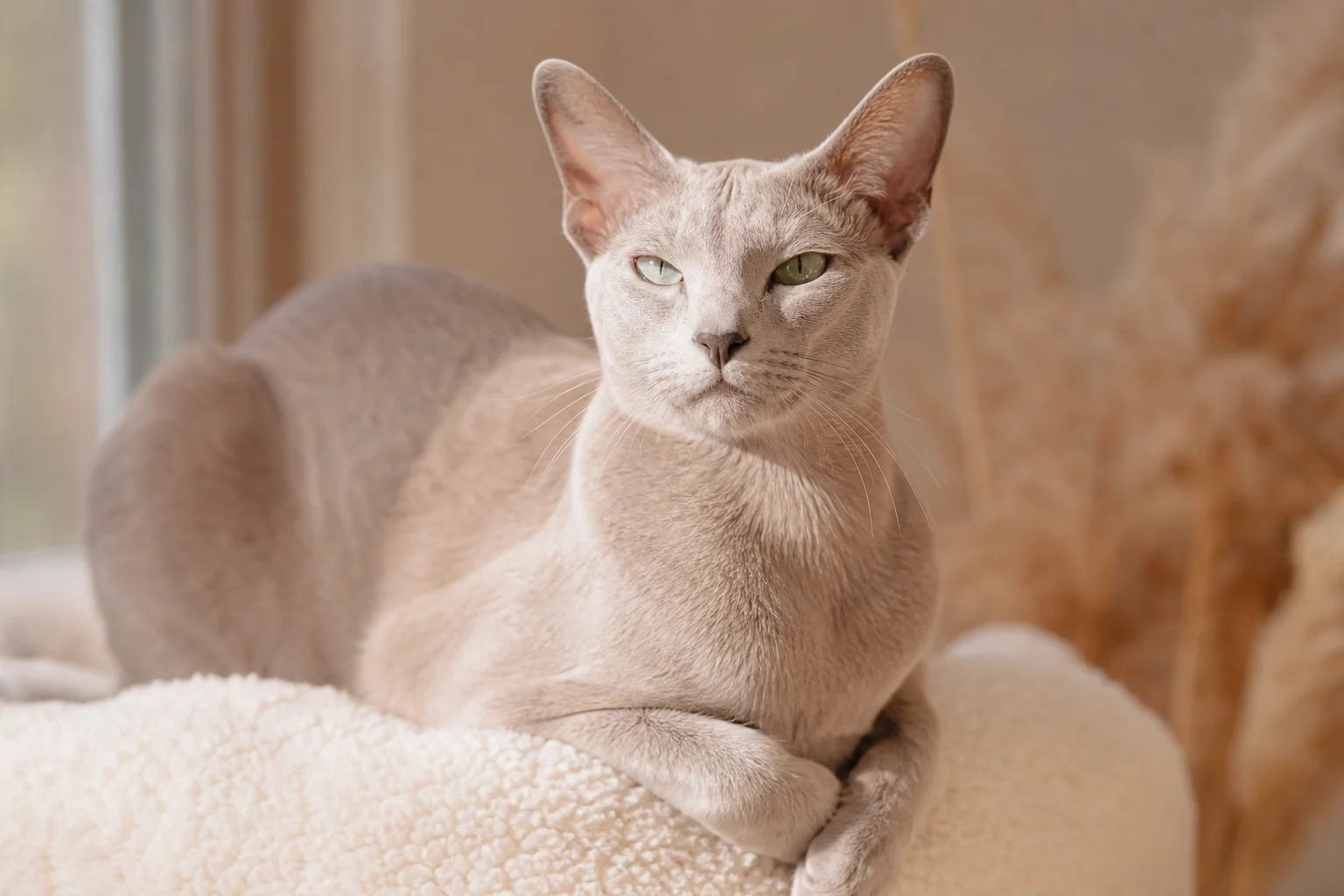 AI
AI 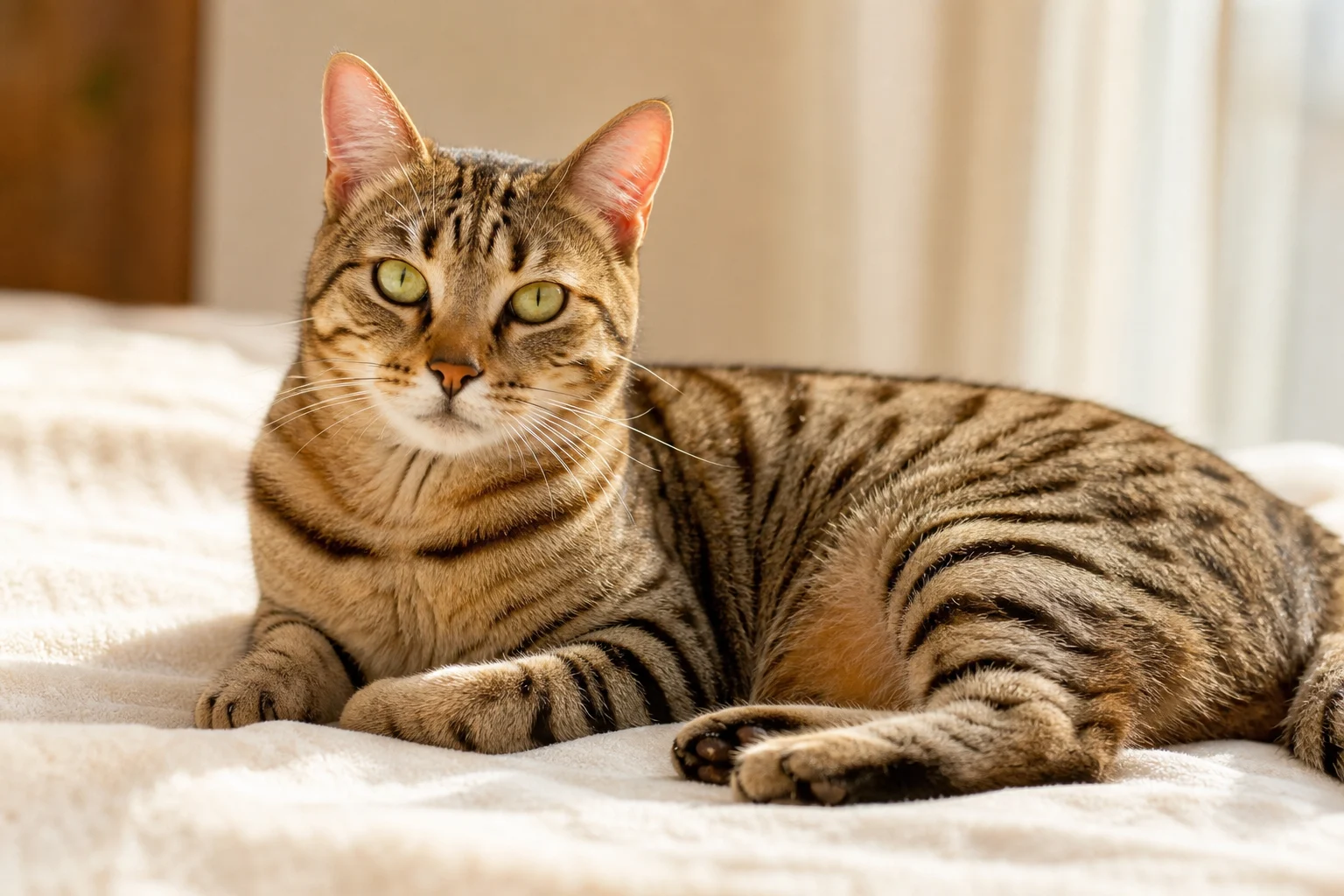 AI
AI 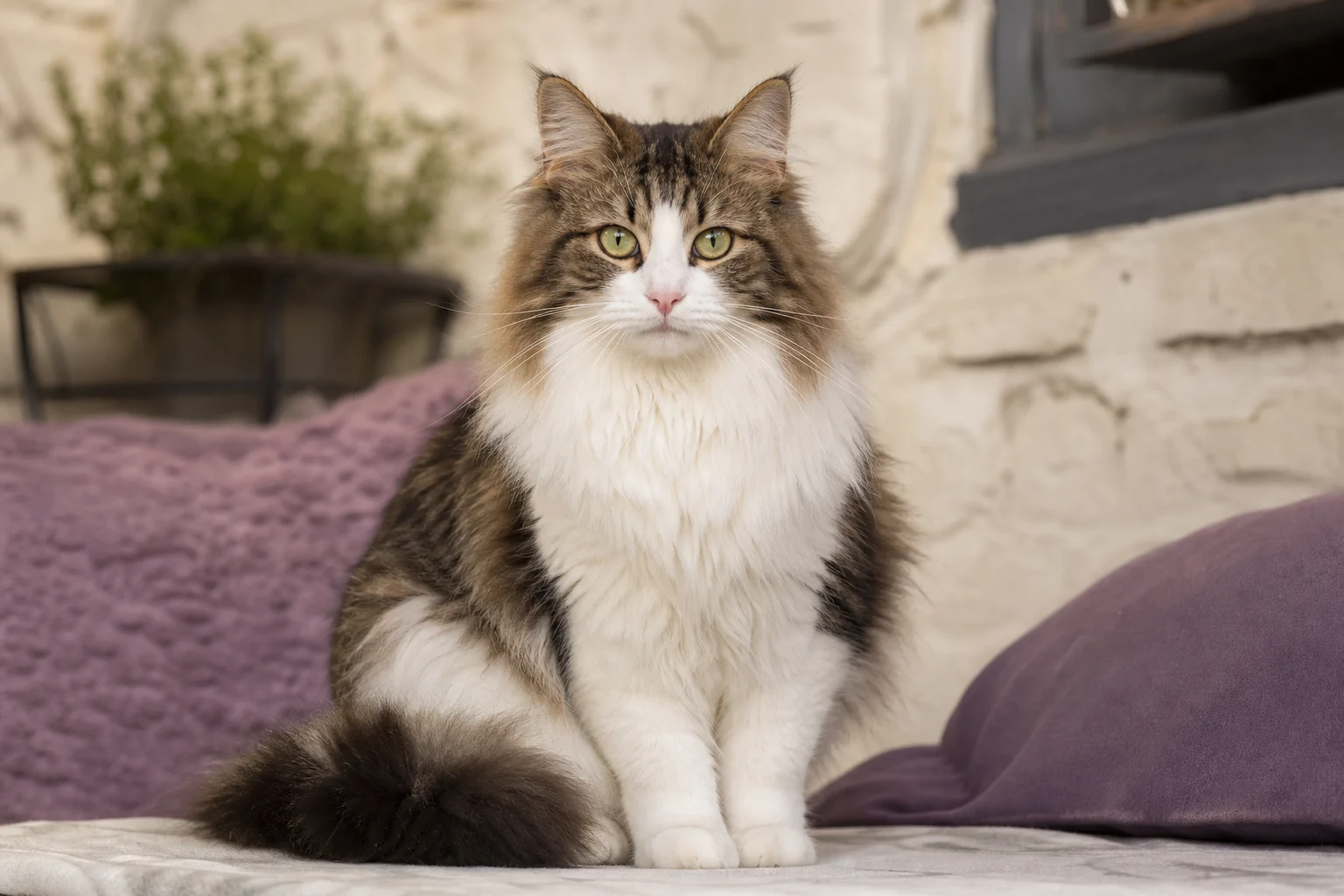 AI
AI 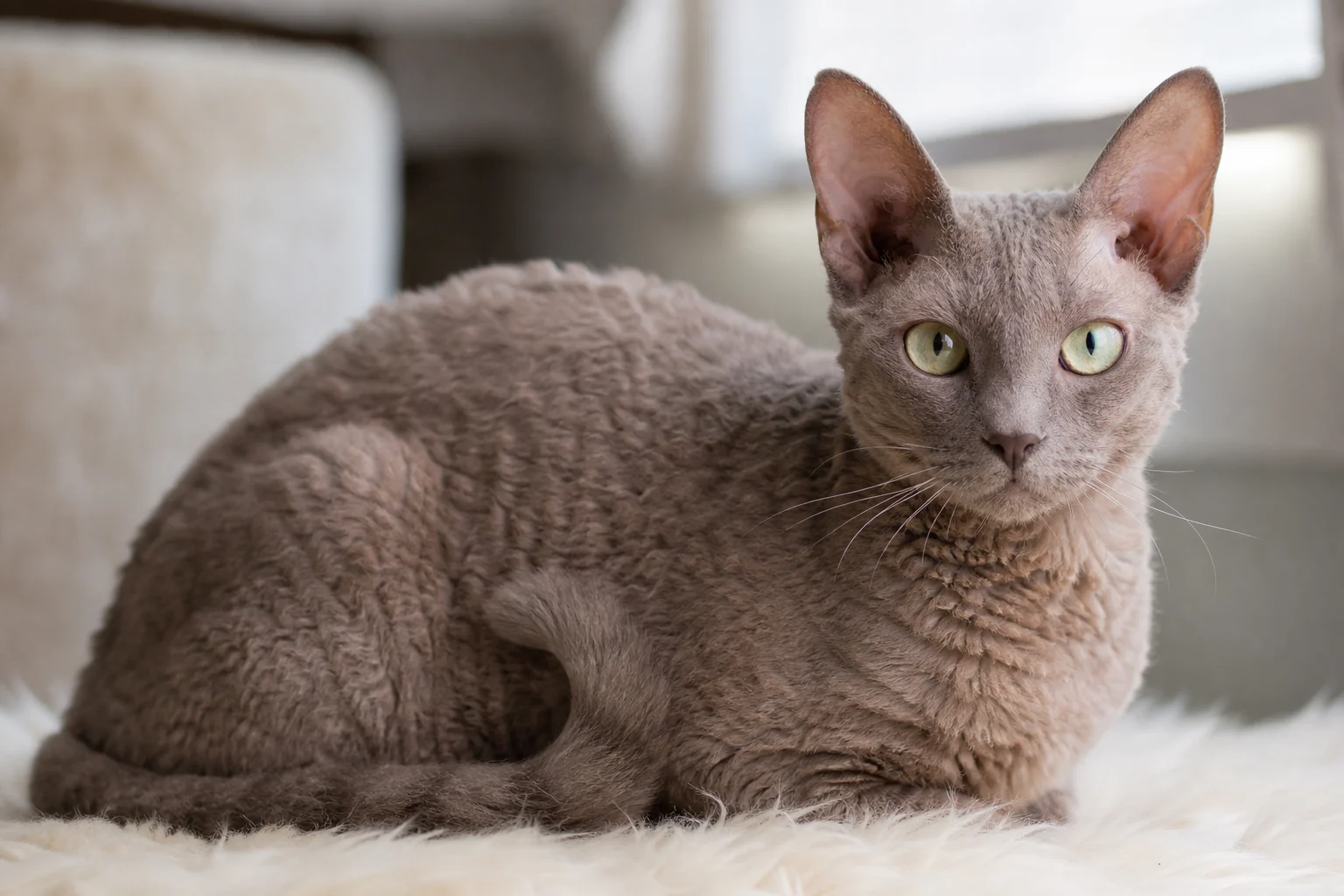 AI
AI 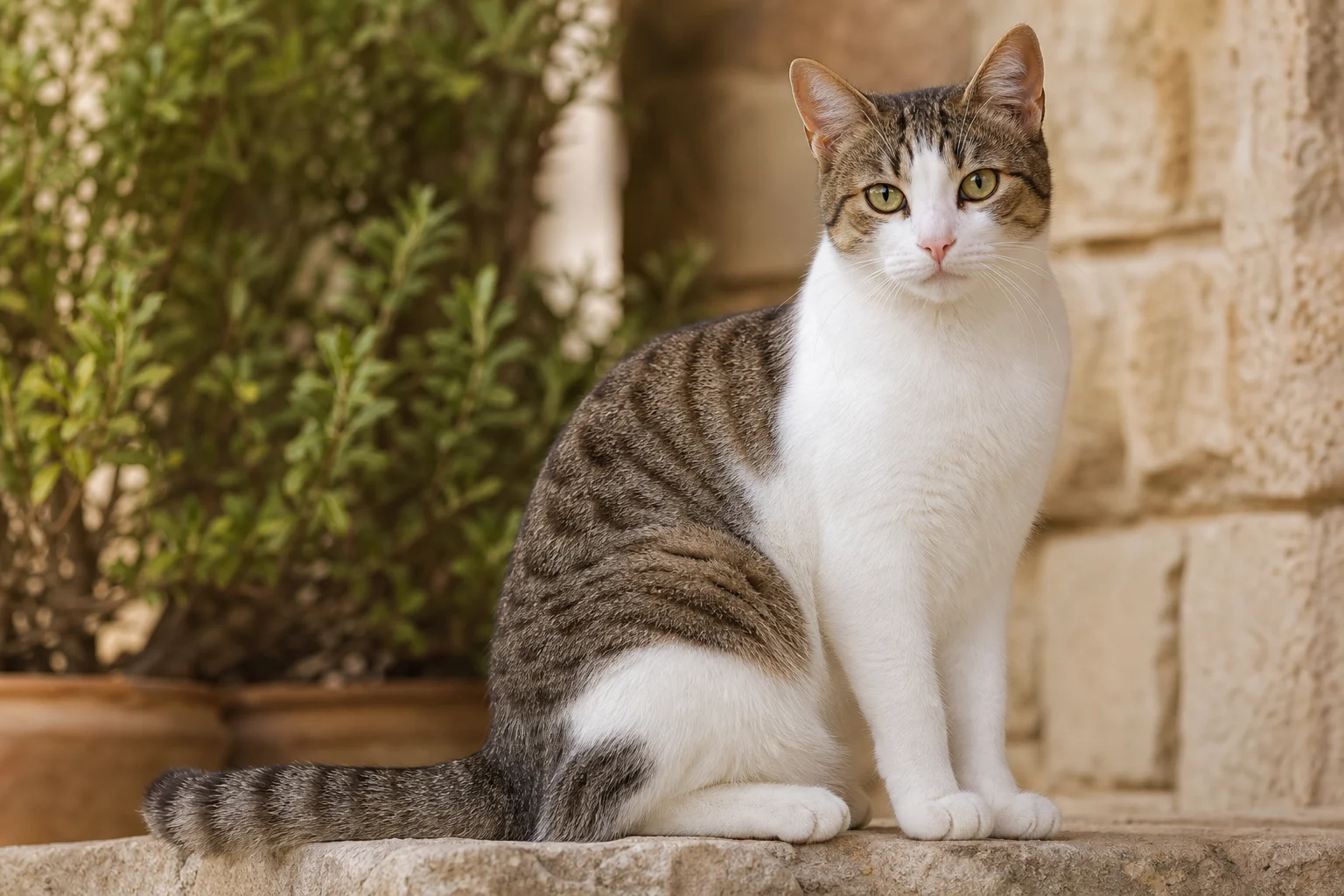 AI
AI 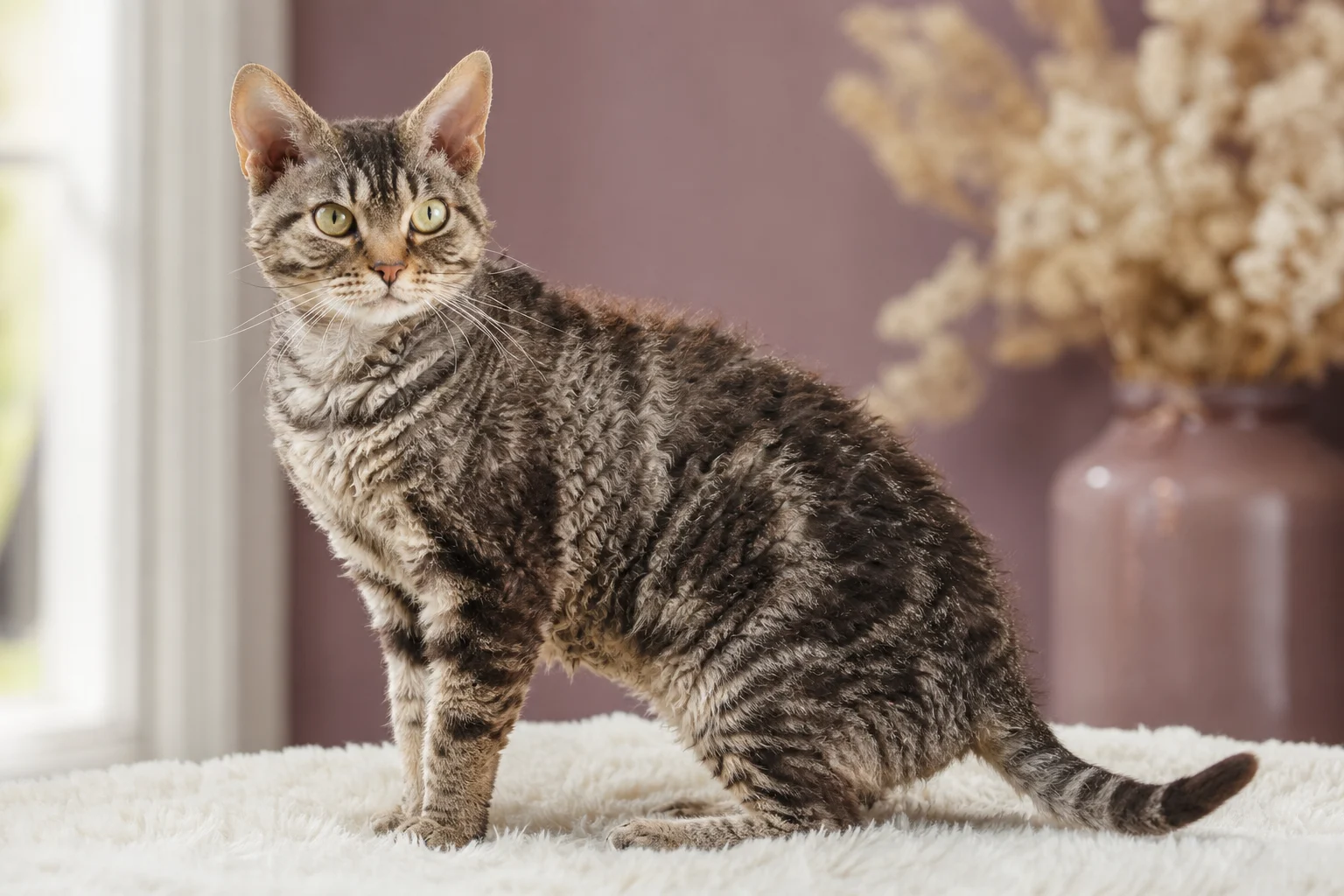 AI
AI 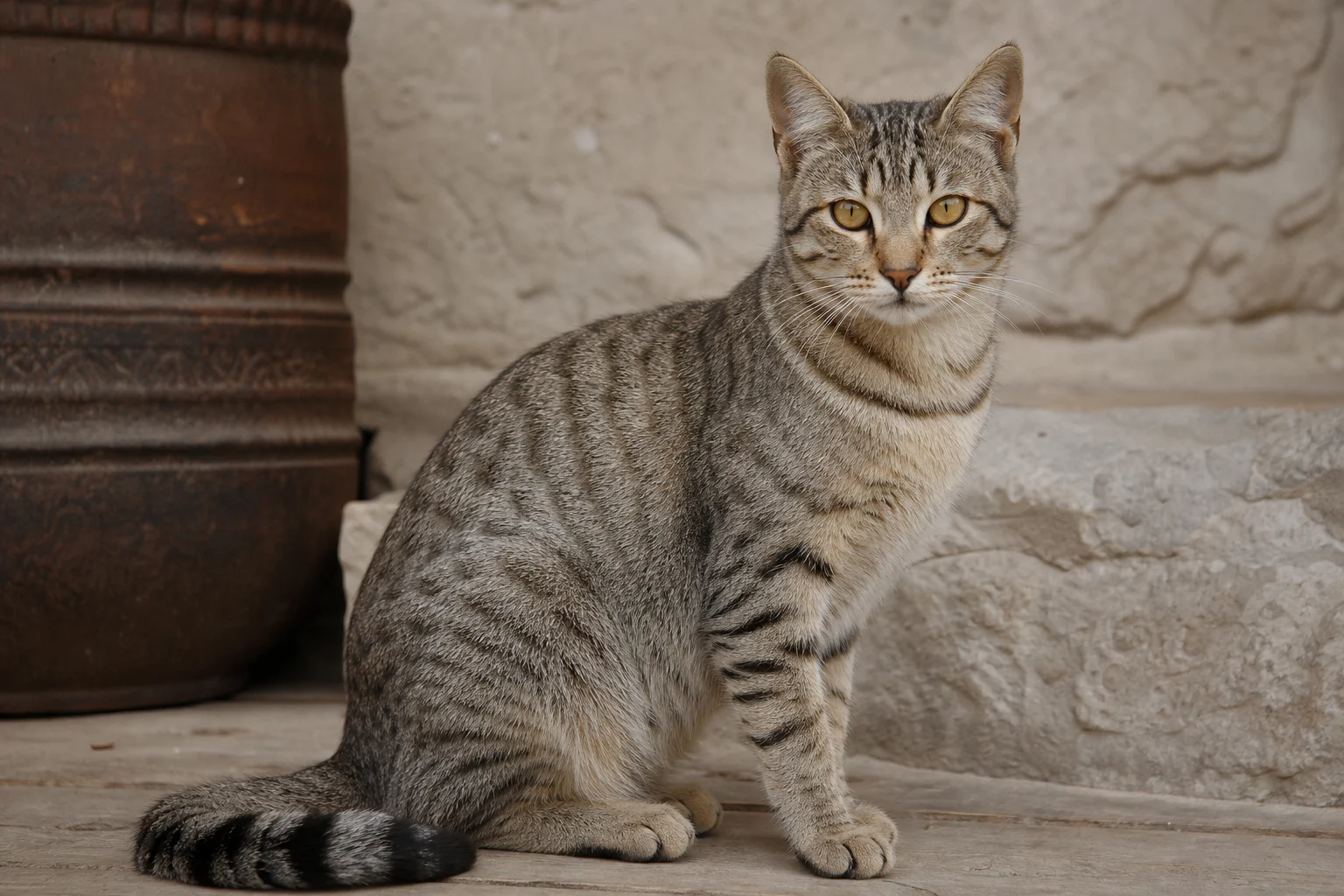 AI
AI 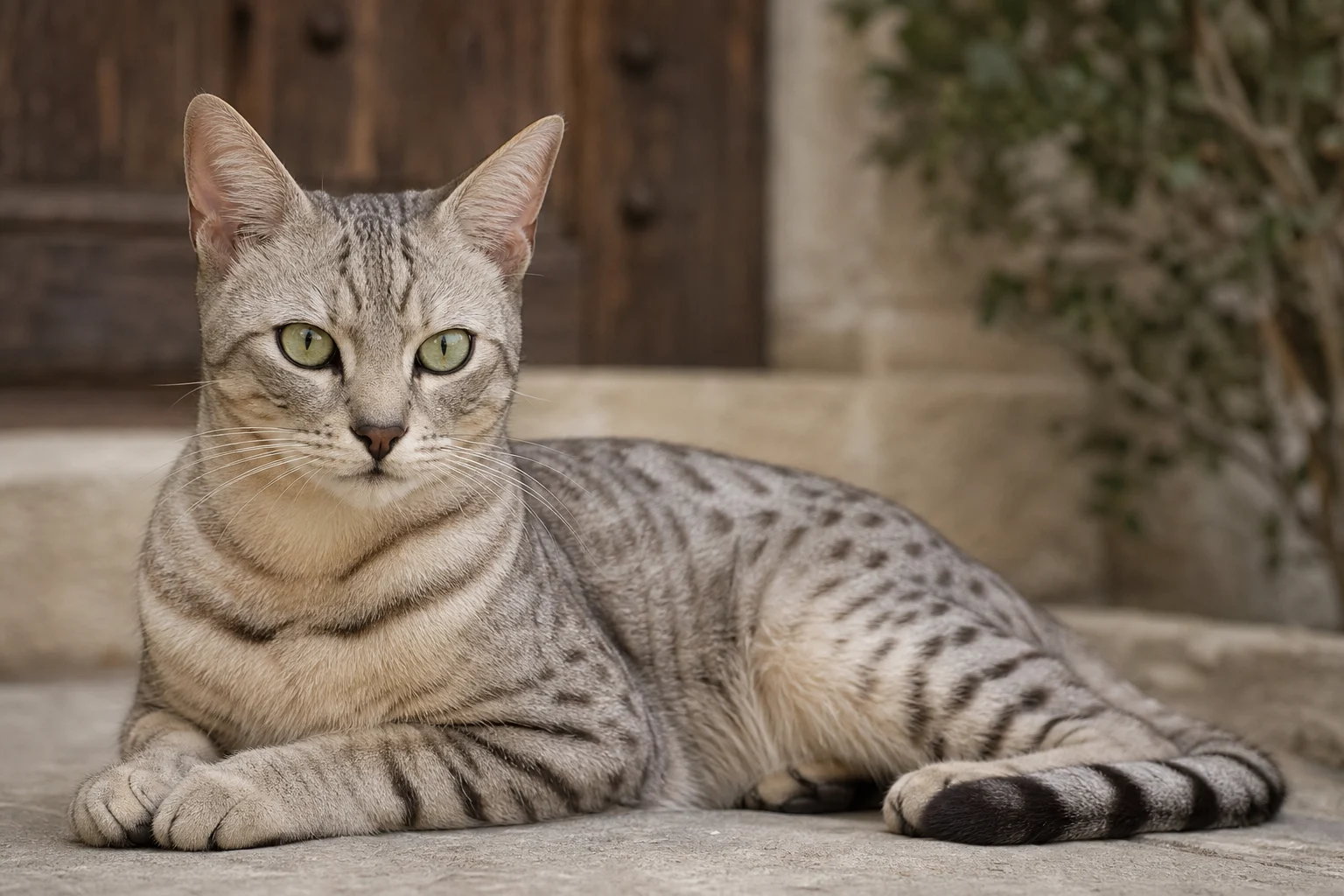 AI
AI 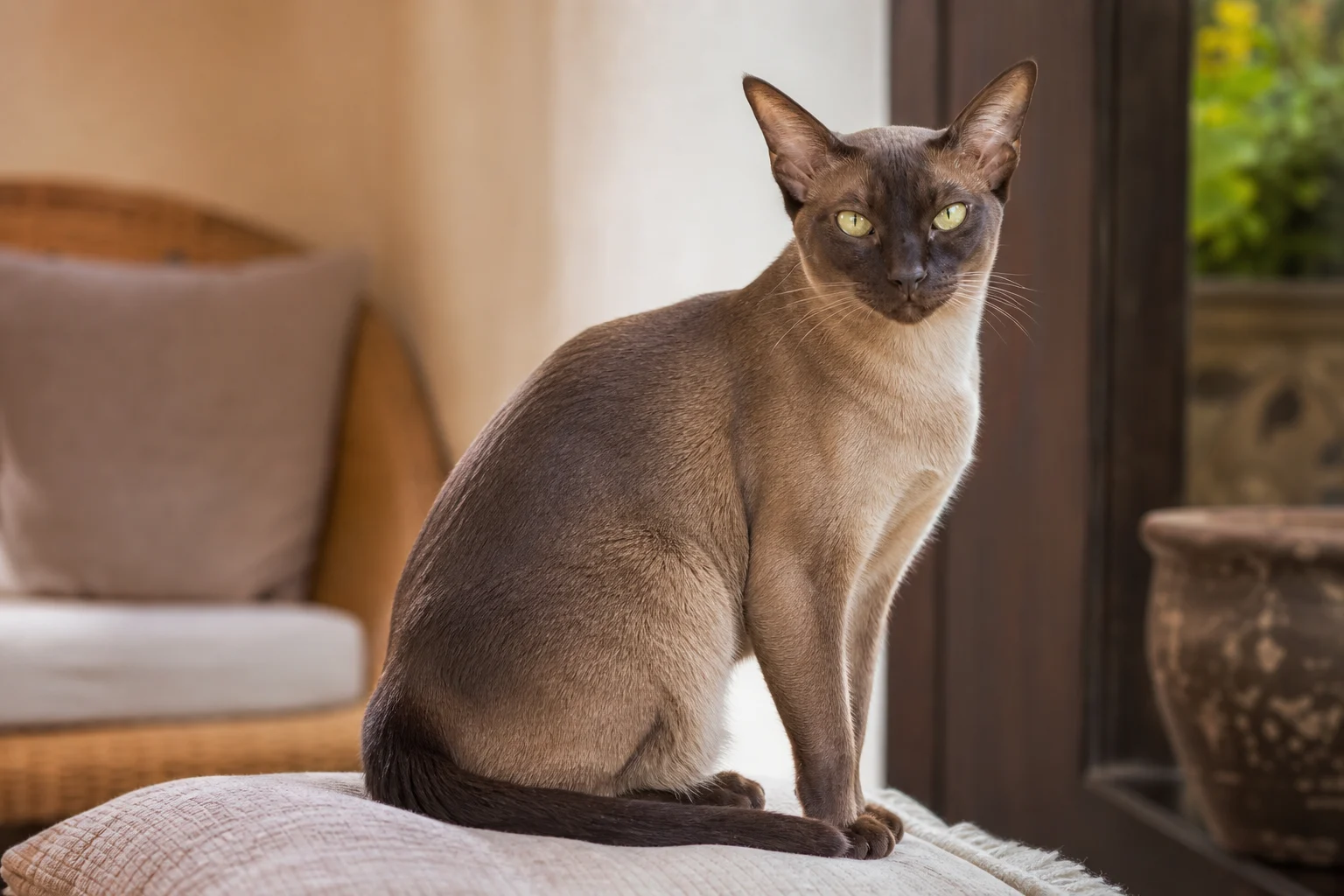 AI
AI 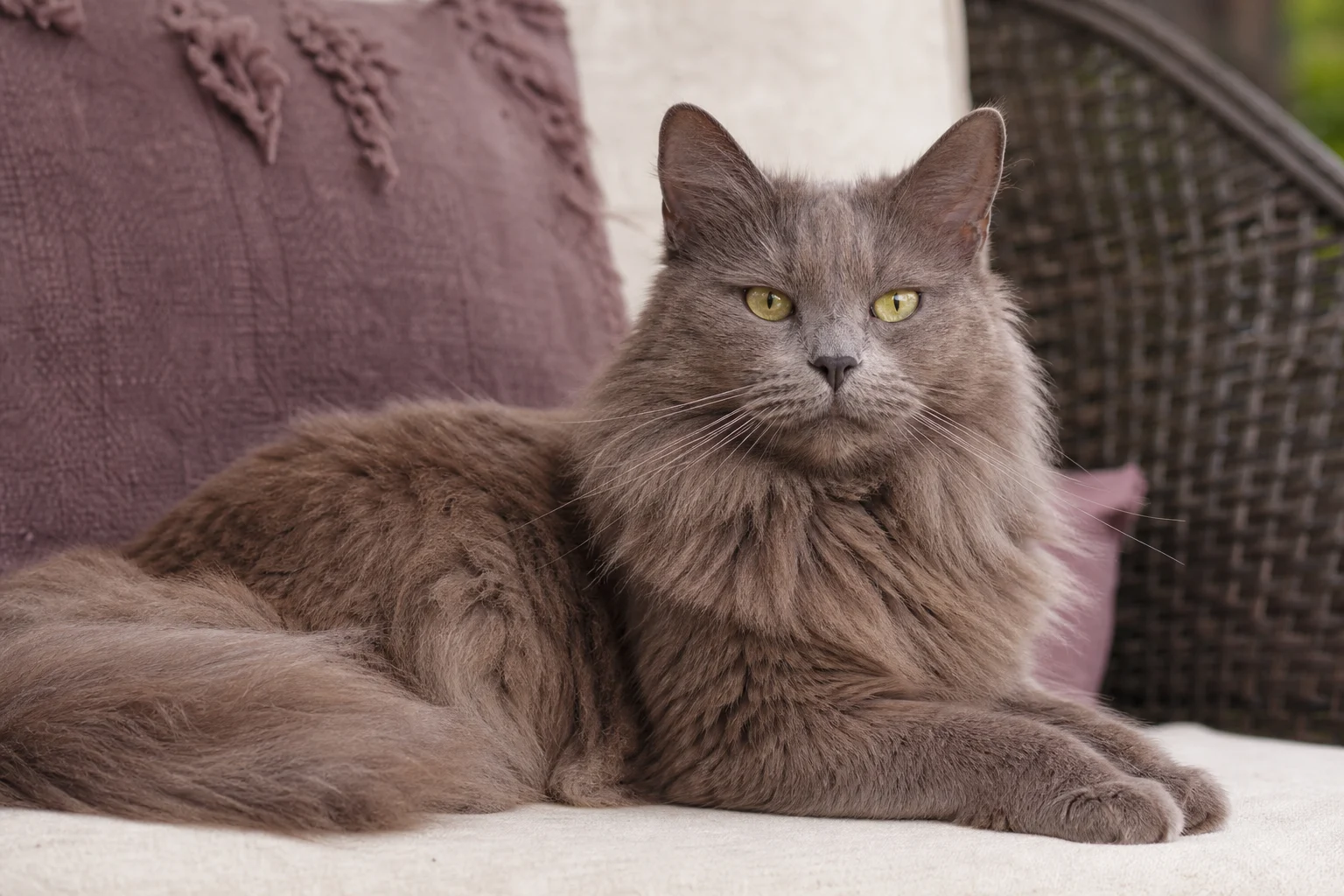 AI
AI 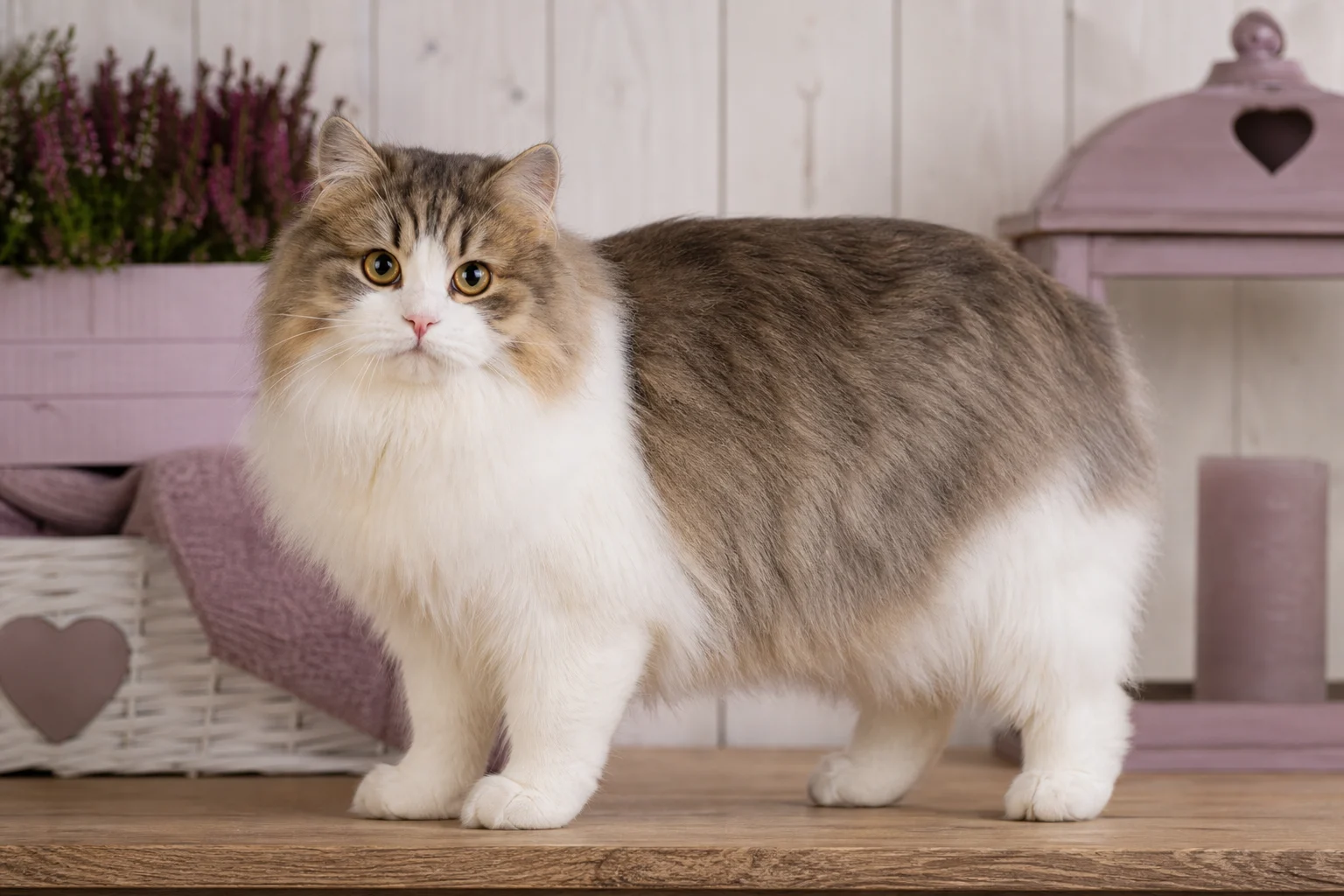 AI
AI 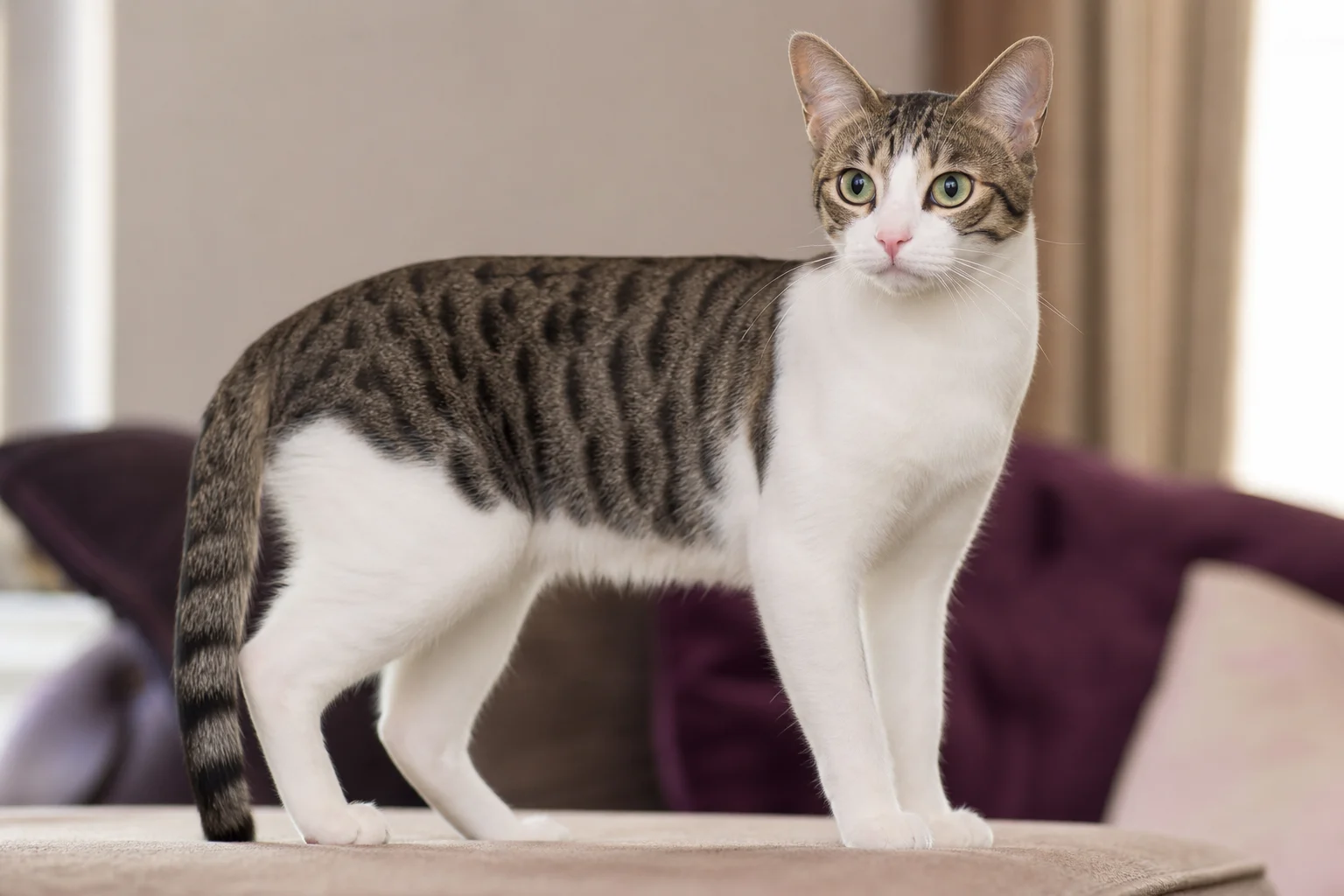 AI
AI 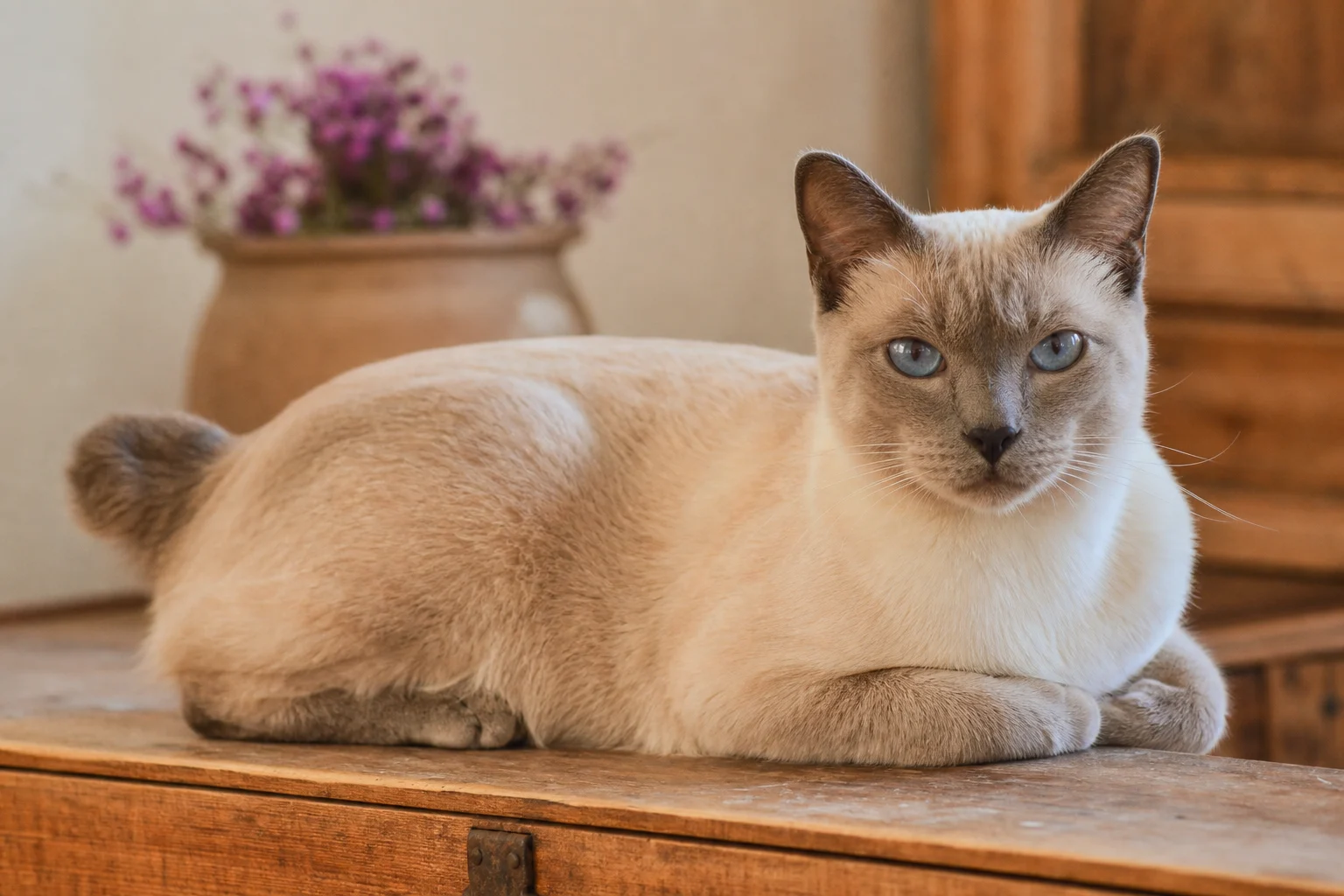 AI
AI 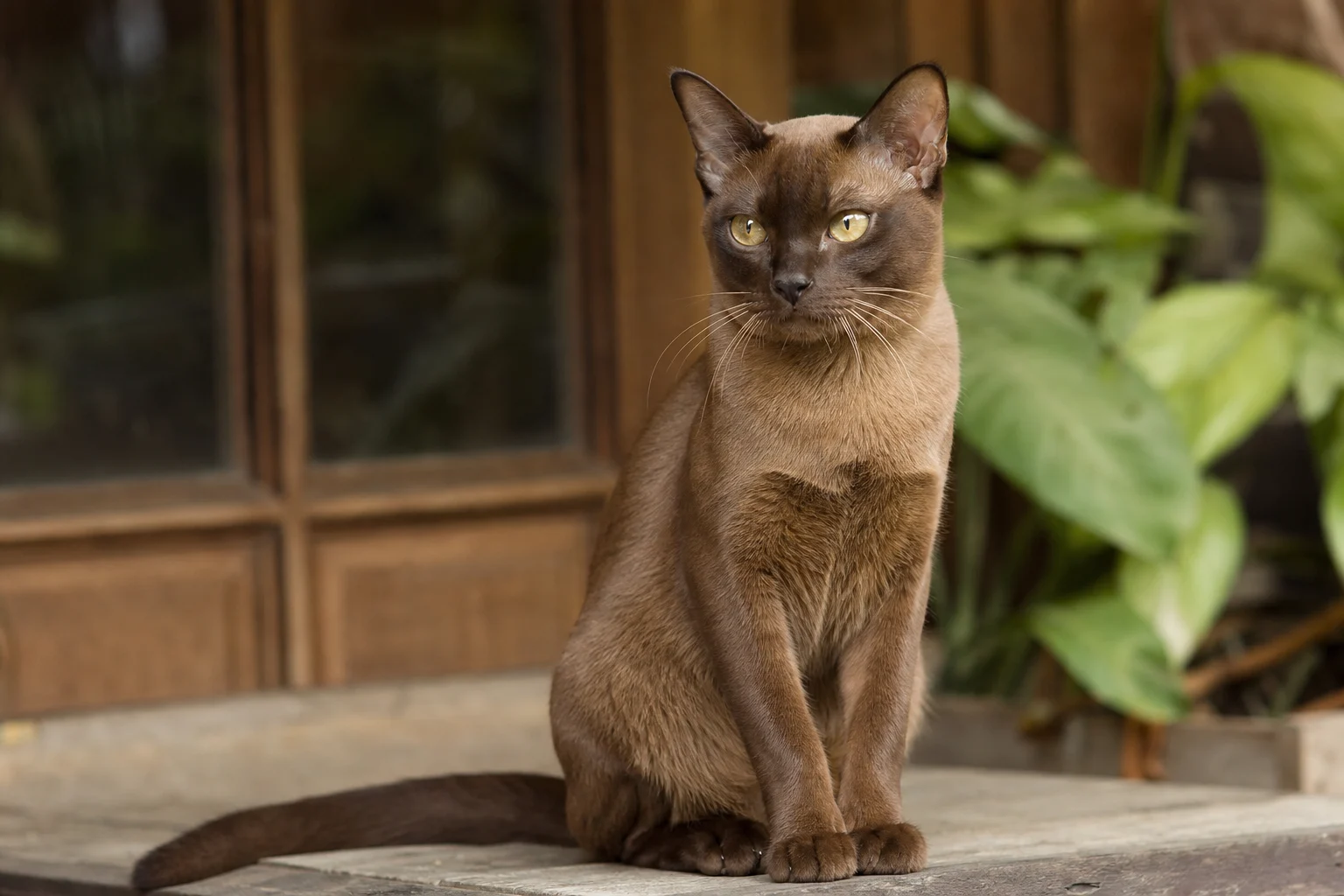 AI
AI  AI
AI What makes a good beginner cat
Ideal for first-time owners are breeds that are robust, healthy and even-tempered, without extreme demands on grooming, enrichment or husbandry. They forgive small beginner mistakes, manage with reasonable effort and are neither overly skittish nor especially demanding. Very active or very grooming-intensive breeds are usually the harder choice for a first cat.
Popular breeds for beginners
- British Shorthair — relaxed, steady-nerved and low-maintenance.
- Ragdoll — gentle, affectionate and uncomplicated to handle.
- European Shorthair — robust, healthy and particularly uncomplicated.
- Birman — friendly, sociable and easy to care for.
What first-time owners should watch
Even the most beginner-friendly cat needs a safe settling-in period, fixed routines and patience. Plan the scratching post, retreats and daily play sessions from the start, and with a full-time job consider whether a second cat makes sense. Our guides on settling in a kitten and cat nutrition help.
Which breeds are harder for beginners
Some breeds are fascinating but unsuited to a first cat. Very active hybrid and wild-type breeds such as the Bengal or the Savannah place high demands on time, space and enrichment. Grooming-intensive longhair breeds such as the Persian require daily coat care, and very demanding, talkative breeds such as the Siamese need a lot of attention or a companion. As a beginner you will have an easier time with a robust, relaxed breed. The "Which cat fits me?" test shows which beginner cat suits your everyday life.