 AI
AIAegean
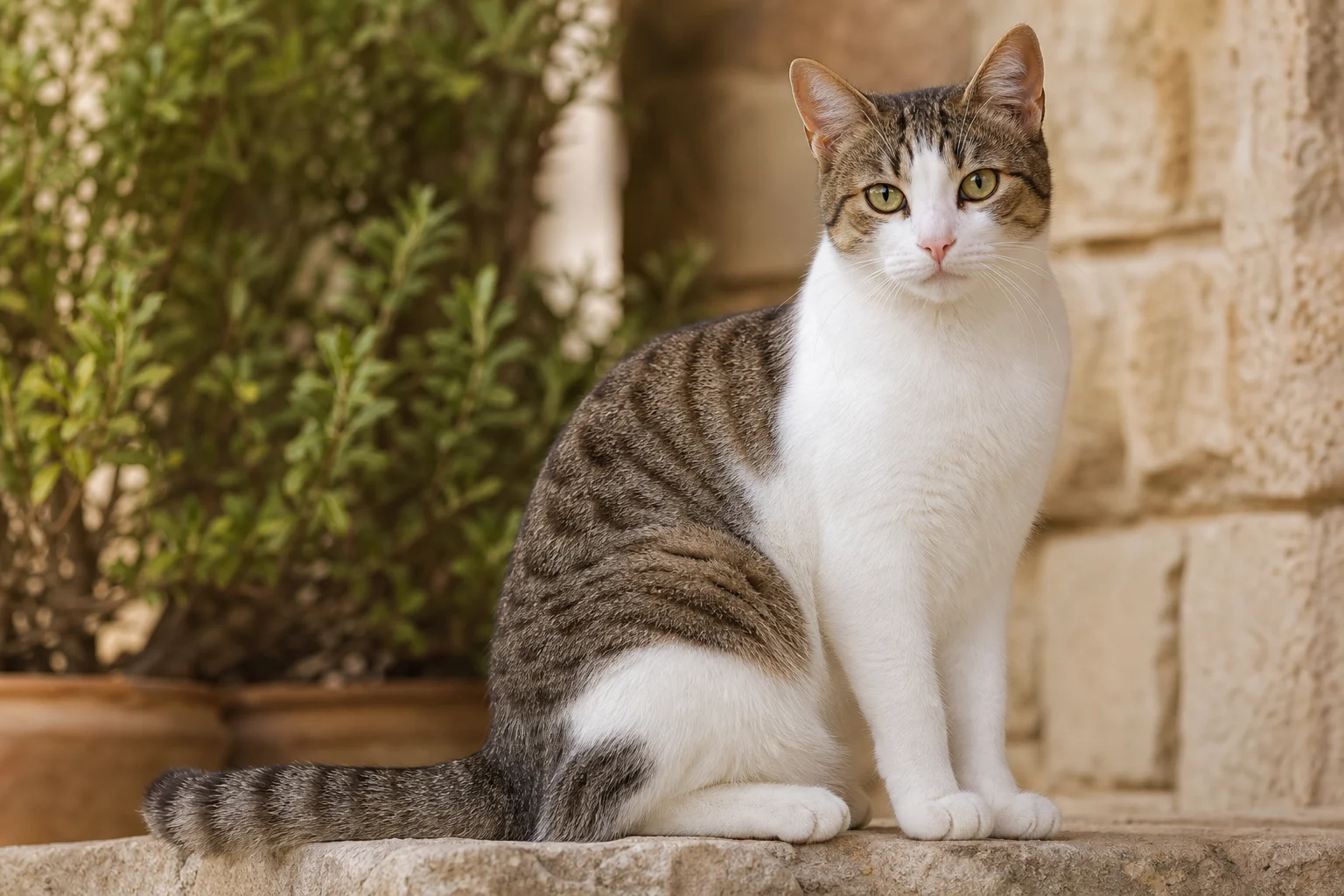
Greece's island native — a bicolour fisher from the Cyclades, sociable, sturdy and saltwater-brave.
| Size | Medium |
|---|---|
| Weight | 3–5 kg |
| Life expectancy | 12–16 years |
| Origin | Greece |
| Type | Natural breed (Greece) |
| Grooming | medium |
| Activity needs | high |
| Beginner friendly | well suited |
Temperament & suitability
Editorial assessment based on the FIFe breed standard and breed association data.
Guideline for movement & enrichment for this breed.
Traits
Origin & history
On the Cycladic islands, harbour cats begged fishermen and dove for scraps for millennia — the Aegean is their standardised form, Greece's only native breed, developed by Athens fanciers from the 1990s on island foundation cats. Registration remains young and small, but the population is ancient: these are the cats of every Greek postcard, taverna and quay, finally carrying their own name.
Appearance & size
A medium, athletic three-to-five-kilogram cat of unexaggerated build in short to semi-long coats — always with white in the classic bicolour or tricolour island dress, alongside red, black, blue and cream. Almond eyes in green tones complete the Mediterranean look; the coat carries little undercoat, made for island climate rather than snow.
Personality & temperament
Generations of taverna diplomacy bred a confident socialiser: the Aegean approaches people openly, converses in cheerful tones, plays solid daily rounds and famously tolerates — even enjoys — water; fishing games at bowls are breed folklore. It is intelligent, adaptable and robust, integrating with children, cats and sensible dogs in true harbour fashion.
Indoor or outdoor living
Flexible: content indoors with play and climbing, in its element with secured outdoor access. The island pragmatism adapts; only cold, drafty homes clash with the light coat. Frame in Indoor cat or outdoor cat?
Enrichment & activity
Daily hunt-style play, water games and puzzle feeders keep the harbour wits sharp; energy is merry mid-range.
Grooming
Easy: weekly brushing, slightly more for semi-longs in moult — the low-undercoat coat organises itself.
Feeding & health
Island landrace health: no known breed-specific diseases, with general checks as the standard ask. Portion via the food amount calculator — harbour appetites are honest ones.
Costs
Kittens cost €500–900 where breeders exist — the formal circle is tiny, and many Aegeans still reach homes as island adoptions. Running costs are baseline; the cat cost calculator totals them.
For beginners, children and other pets
A textbook easy companion: sociable, sturdy, patient with children and animal-compatible. Beginners could hardly choose friendlier — the search is the only exercise.
Similar breeds compared
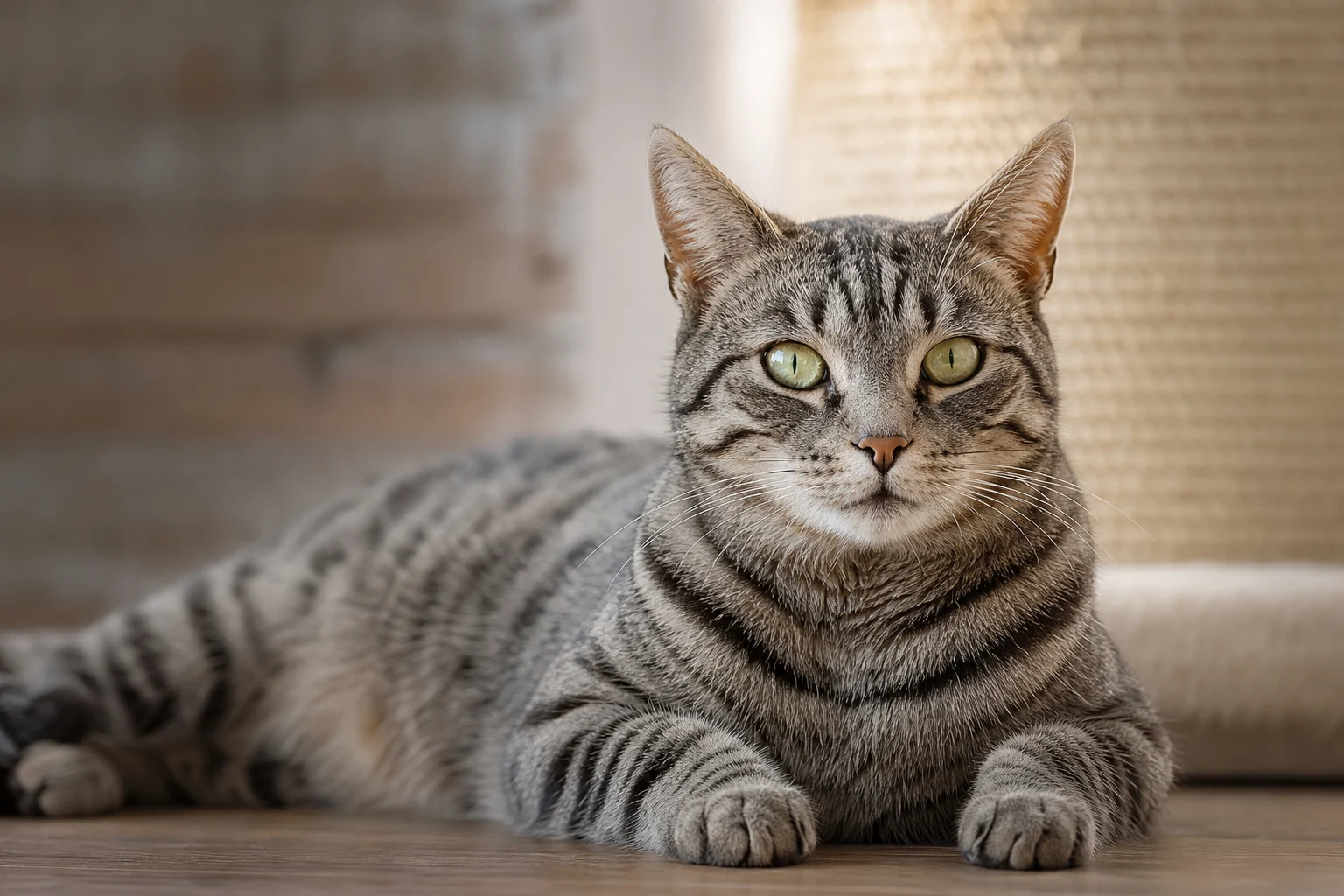
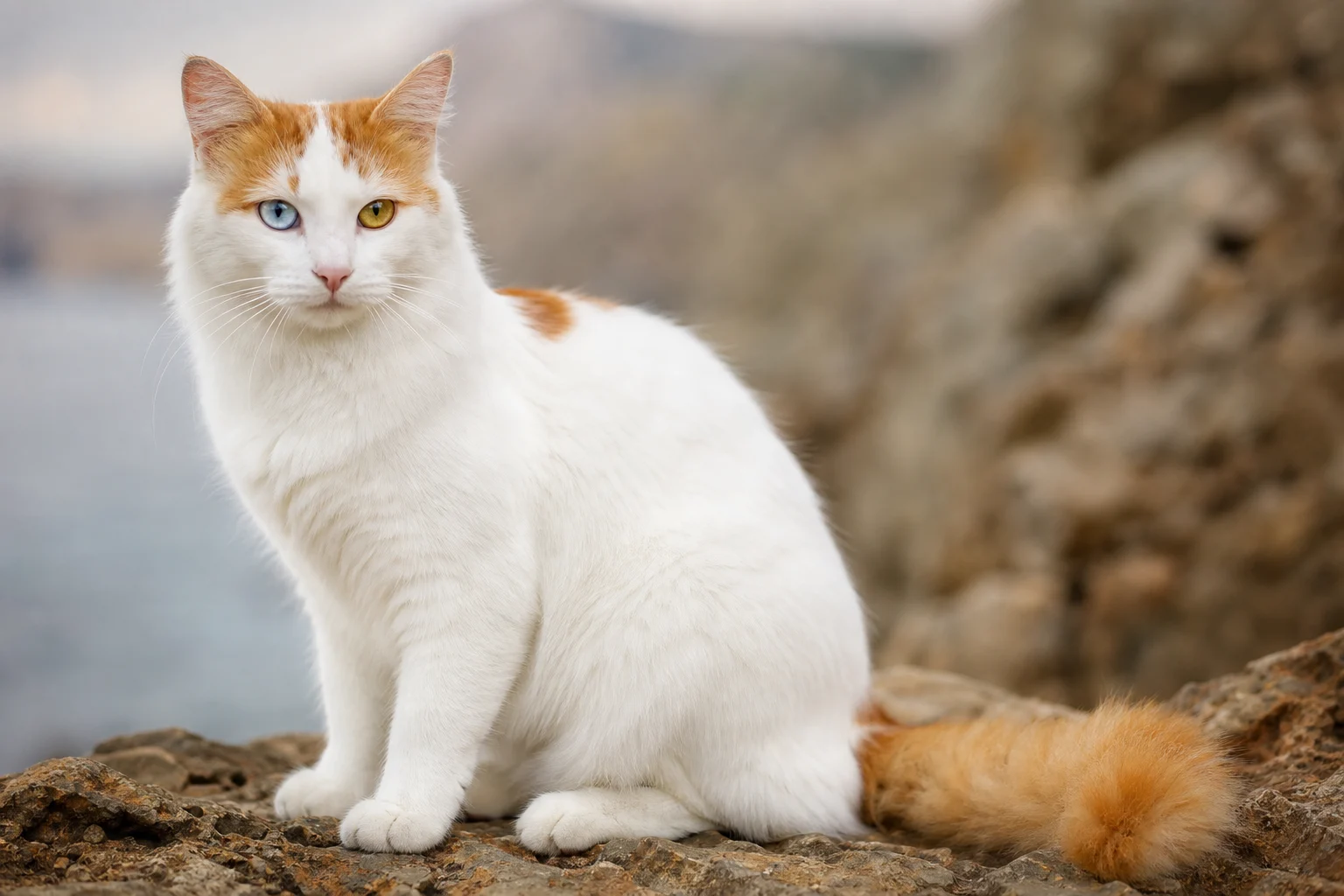
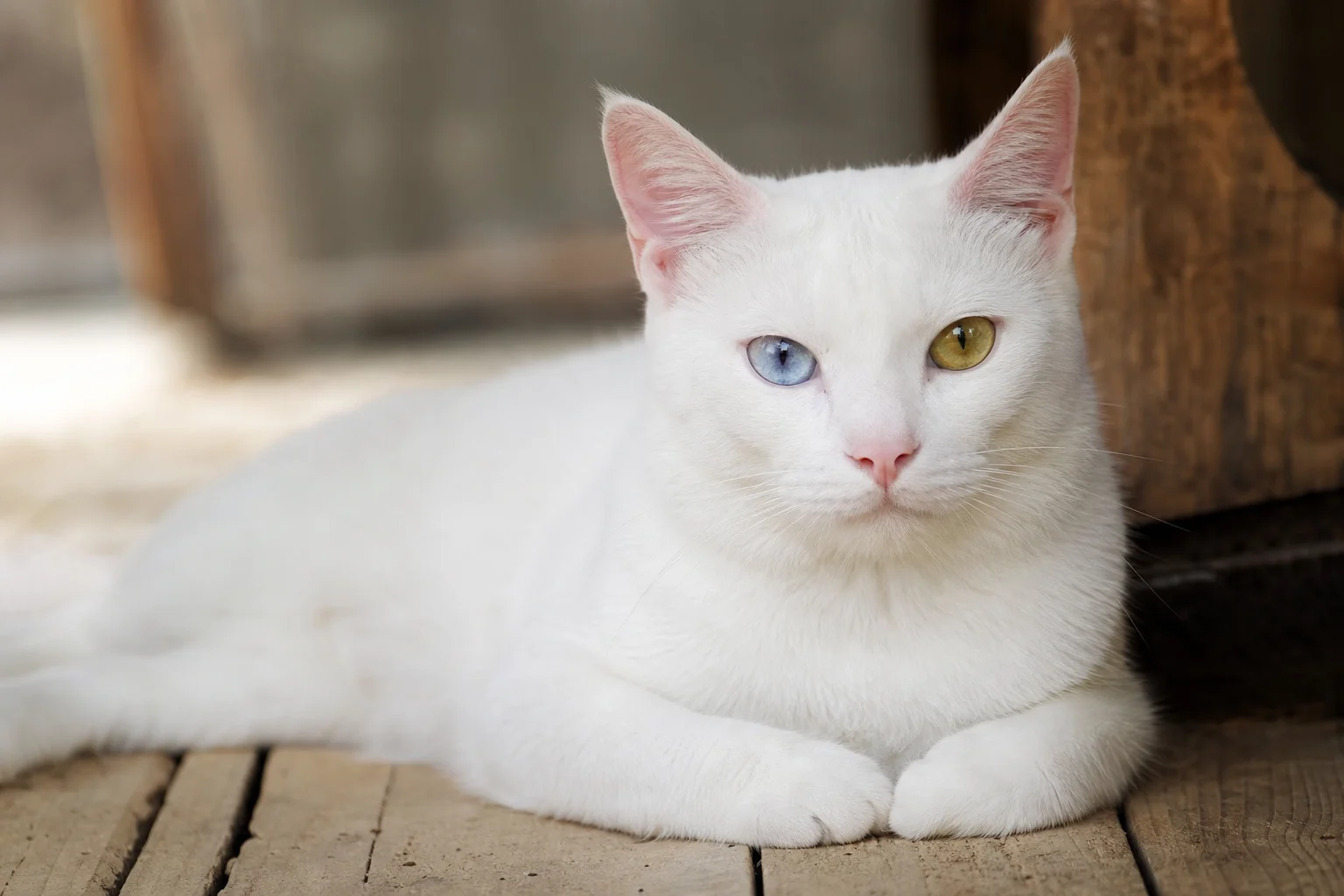
The European Shorthair is the continental landrace parallel; the Turkish Van the bigger water-athlete of the neighbouring coast; the Khao Manee another national island-treasure story.
Who this breed suits
Families and first-timers who want Mediterranean ease and landrace health — plus a story at every dinner party. The "Which cat fits me?" test confirms the sunny fit.
Not sure what a Aegean may eat? The food checker rates individual foods on a traffic-light scale, and the food guide explains what cats can eat and what is toxic.
A good fit for you if …
Frequently asked questions
Is the Aegean really a breed?
Greece's only native one — standardised from the 1990s on ancient Cycladic harbour populations. Young papers, old cats.
Do Aegeans really like water?
Famously — the island fishers' heritage shows in bowl-fishing games and saltwater bravery.
How healthy is the breed?
Landrace-sound: no known breed-specific diseases, and general checks are the only standard ask.
What do Aegeans look like?
Always with white — bicolour or tricolour island dress over an athletic, unexaggerated build with green-toned eyes.
Are they good family cats?
Taverna-diplomat sociability makes them exactly that: open, patient and animal-compatible.
How do I find one?
Via the tiny formal breeder circle — or, as many do, as an island adoption with vet workup.
Similar breeds
Sources: FIFe/TICA breed standard · breed association data · editorial assessment · Last updated 08/2026. On health questions this article never replaces a visit to the vet.