 AI
AITurkish Van
The swimming cat of Lake Van — auburn-capped, water-mad and athletic with opinions of its own.
| Size | Large |
|---|---|
| Weight | 4–8 kg |
| Life expectancy | 13–17 years |
| Origin | Türkiye |
| Type | Natural breed (Türkiye) |
| Grooming | medium |
| Activity needs | very high |
| Beginner friendly | with some experience |
Temperament & suitability
Editorial assessment based on the FIFe breed standard and breed association data.
Guideline for movement & enrichment for this breed.
Traits
Origin & history
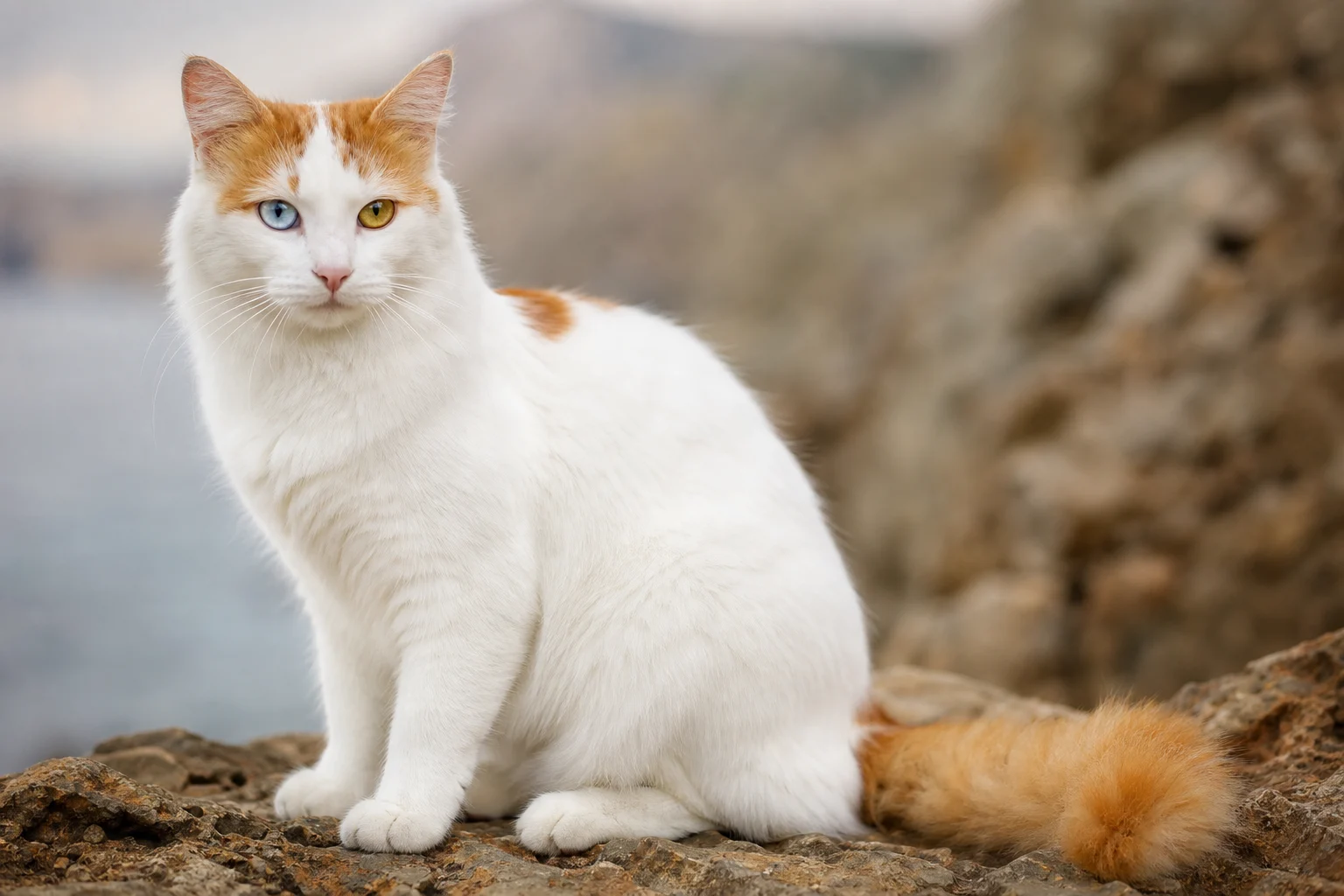
Around Lake Van in eastern Anatolia, a chalk-white cat with auburn head and tail markings fished shallows and swam summers for centuries — a natural breed hardened by mountain winters. Two British travellers brought founding cats home in 1955 and named the breed after the lake; Türkiye guards the related pure-white Van Kedisi as regional heritage. The "Van pattern" — colour confined to head and tail on a white body — carries the breed's name into genetics textbooks.
Appearance & size
A four-to-eight-kilogram athlete that matures over three to five years into broad-chested substance. The semi-long coat is the technical marvel: cashmere-textured, water-repellent, without woolly undercoat — it dries astonishingly fast, which the lake swimmers appreciated. Classic auburn or cream caps and a full brush tail decorate the chalk-white body; amber, blue and odd eyes all occur.
Personality & temperament
The Van is energy with self-esteem: a powerful jumper and climber, a curious investigator, and famously the breed most likely to join you in the shower or fish toys out of the water bowl. It bonds deeply — often electing favourites — but on its own terms: many Vans dislike prolonged carrying and prefer robust play over lap hours. The intelligence is sharp, the will is sharper; this cat trains its people with dedication.
Indoor or outdoor living
Space is the currency: a Van in a small flat is a misunderstanding. Ideal is secured outdoor access or a big, vertically equipped home; water games substitute for the lake. The DE data flags it accordingly — this is one of the few breeds where the flat question deserves a hard look. Frame in Indoor cat or outdoor cat?
Enrichment & activity
Daily athletic sessions: chase games, climbing courses, fetch — and water play, from dripping taps to splash basins, which no other breed enjoys this honestly. A robust feline companion shares the energy well.
Grooming
The no-undercoat cashmere is easy: combing once or twice a week, more in the heavy spring moult when the winter coat leaves wholesale.
Feeding & health
A hardy natural breed; ask breeders for HCM checks and — in white-headed, blue-eyed individuals — hearing tests (BAER), as the white-coat deafness link can apply. Portion the athlete via the food amount calculator.
Costs
Kittens from documented lines cost €800–1,300; genuine Vans are rare in Europe. Running costs match a large active cat — the cat cost calculator totals them.
For beginners, children and other pets
For active, cat-experienced families with robust children the Van is a spectacular companion; carry-happy toddlers and delicate households clash with its self-willed athleticism. It respects dogs that play fair and shares with confident cats. Not the classic beginner choice — the DE data honestly withholds that flag.
Similar breeds compared
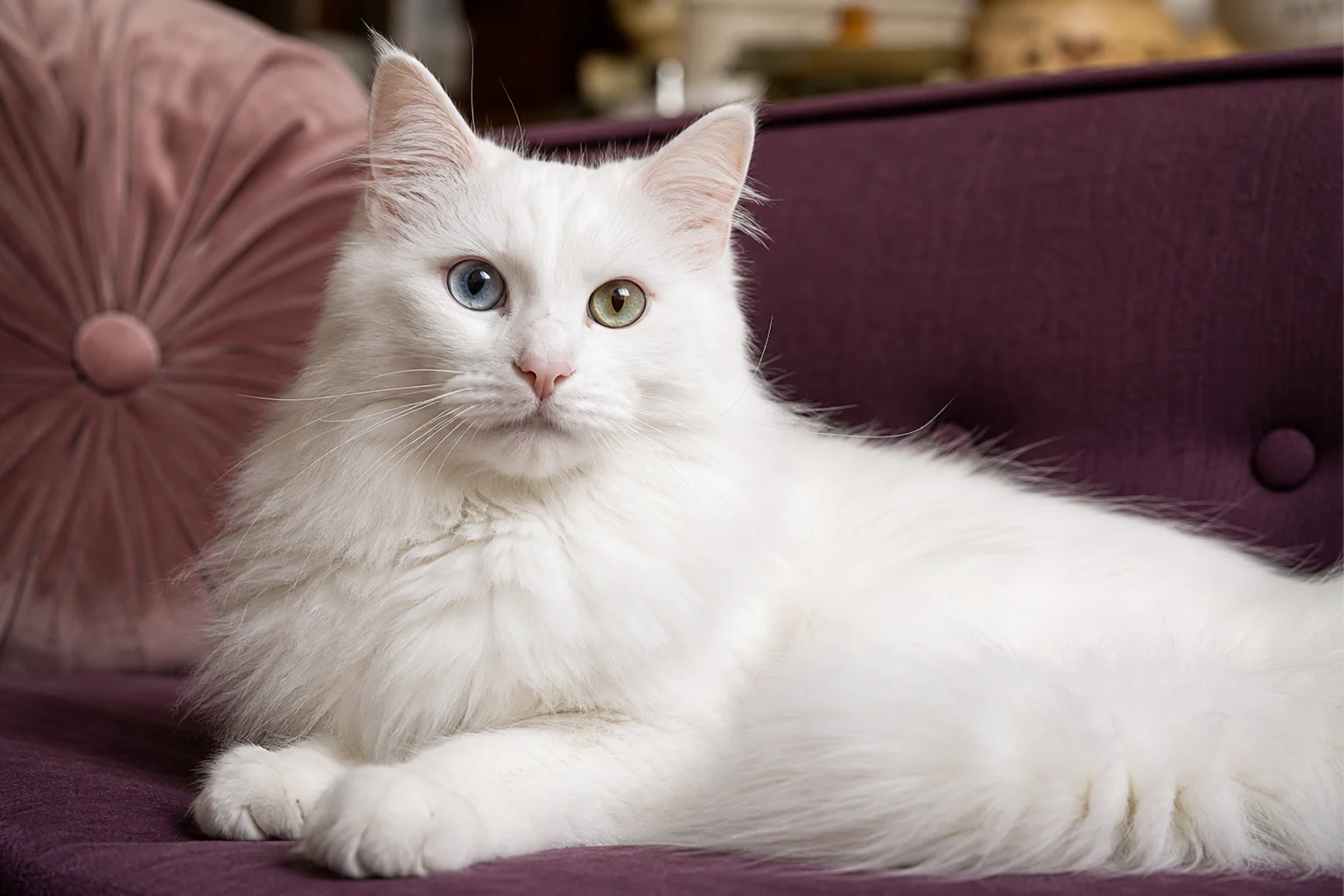
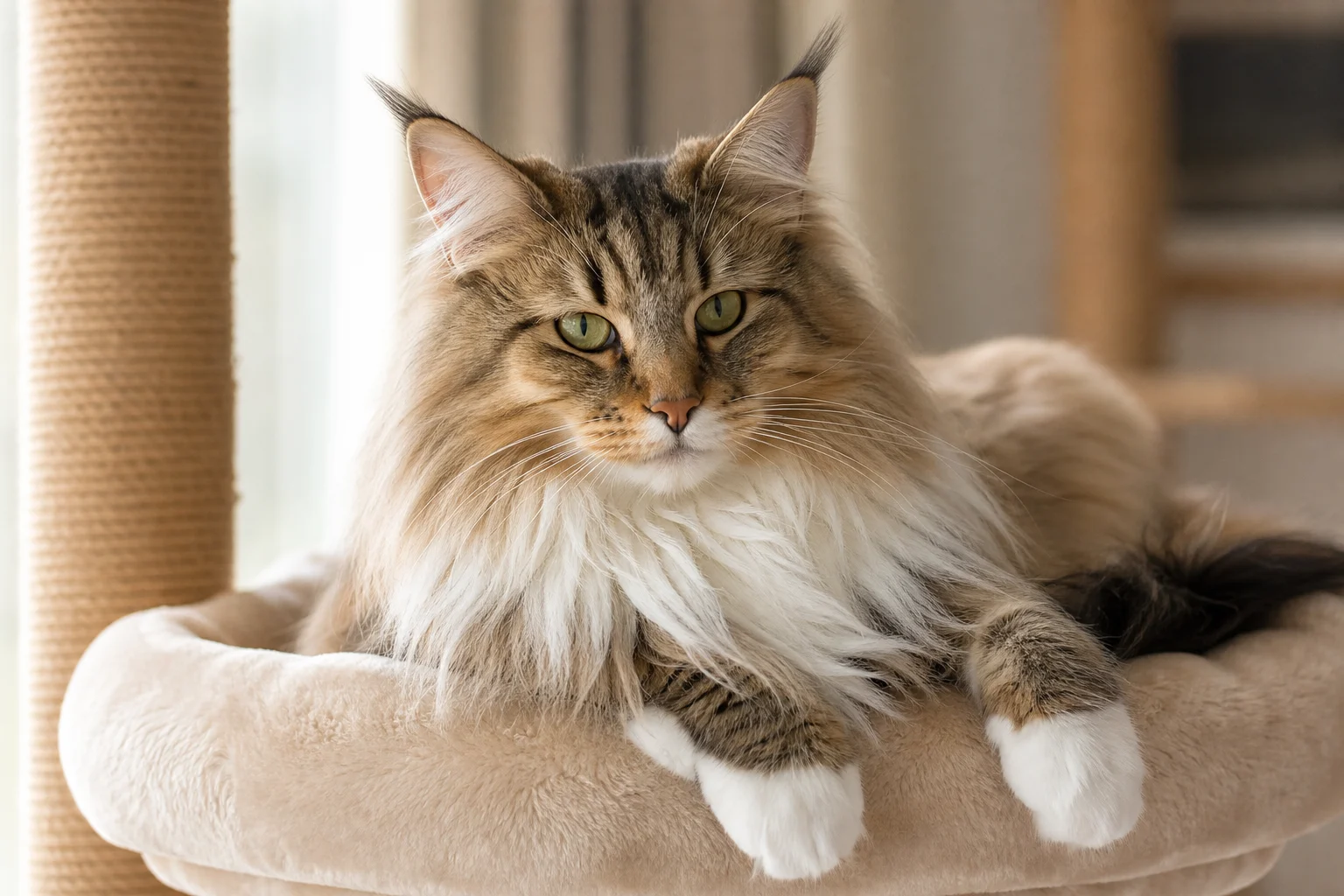
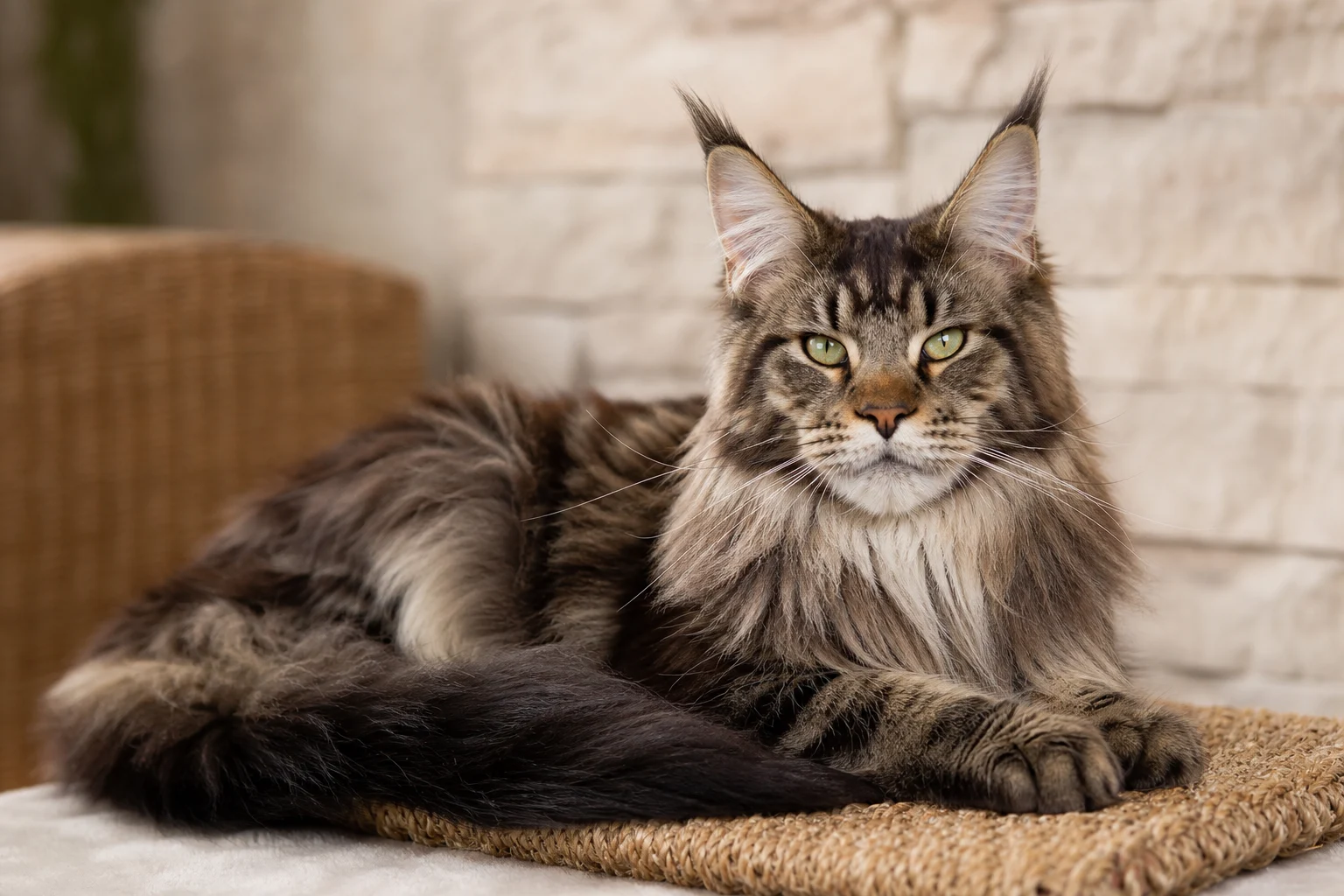
The Turkish Angora is the finer, livelier compatriot; the Norwegian Forest Cat matches the rugged outdoor format with more calm; the Maine Coon adds water curiosity at gentler intensity.
Who this breed suits
Experienced, active households with space — ideally secured outdoors — that want a strong-willed, water-loving athlete. The "Which cat fits me?" test weighs the space question honestly.
Not sure what a Turkish Van may eat? The food checker rates individual foods on a traffic-light scale, and the food guide explains what cats can eat and what is toxic.
A good fit for you if …
Frequently asked questions
Do Turkish Vans really swim?
The Lake Van ancestors genuinely did, and many Vans love water play to this day — showers, taps and splash basins included. Individual enthusiasm varies.
What is the Van pattern?
Colour restricted to head and tail on a chalk-white body — the breed exported its name to genetics as the term for this pattern.
Are Vans lap cats?
Rarely — the breed bonds deeply but prefers robust play and proximity over carrying and lap hours.
Which health tests matter?
HCM checks plus BAER hearing tests where white and blue eyes combine.
Can a Van live in a flat?
Only in a big, vertically equipped one with serious daily engagement — the breed honestly wants space or secured outdoor access.
How does the Van differ from the Angora?
The Van is larger, sturdier and water-mad with the capped pattern; the Angora finer, livelier and fully coloured.
Similar breeds
Sources: FIFe/TICA breed standard · breed association data · editorial assessment · Last updated 08/2026. On health questions this article never replaces a visit to the vet.