 AI
AIBritish Longhair
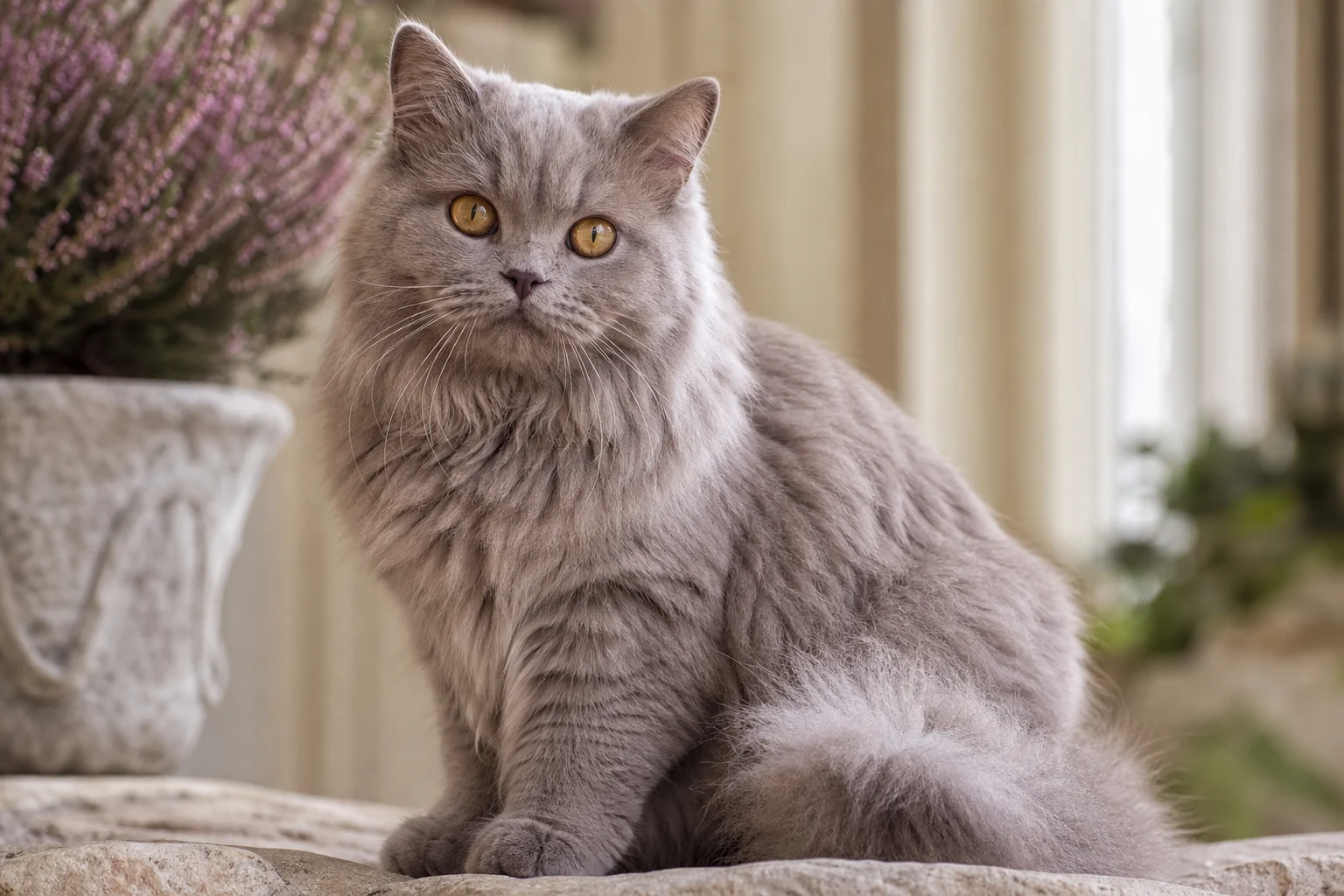
The British Shorthair grown a mane — plush serenity with a soft flowing coat and quiet warmth.
| Size | Large |
|---|---|
| Weight | 4–8 kg |
| Life expectancy | 12–17 years |
| Origin | United Kingdom |
| Type | Pedigree breed |
| Grooming | high |
| Activity needs | low |
| Beginner friendly | well suited |
Temperament & suitability
Editorial assessment based on the FIFe breed standard and breed association data.
Guideline for movement & enrichment for this breed.
Traits
Origin & history
The British Longhair is what the British Shorthair carried hidden in its genes: when Persians were crossed in after the World Wars to rebuild the breed, the longhair gene came along and semi-long kittens kept appearing in shorthair litters. For decades they were quietly rehomed; only in the 2000s did registries recognise them as a breed of their own. Genetically the BLH is a British Shorthair in a long coat — same standard, same colours, same soul.
Appearance & size
A compact, heavy-set cat of four to eight kilograms with the full round British package — chubby cheeks, big amber to copper eyes, cobby build — wrapped in a dense, stand-off semi-long coat with a ruff and plumed tail. Blue remains the beloved classic, but the whole British palette occurs from solid and silver to bicolour and tortie.
Personality & temperament
The temperament is pure British: composed, gentle, quietly affectionate and dignity personified. The BLH likes being near its people rather than on them, tolerates a working household better than most breeds and treats commotion with polite disinterest. Its play instinct is real but measured — a few minutes of wand-toy hunting, then back to presiding over the sofa.
Indoor or outdoor living
An easy indoor cat: undemanding in space, calm in temperament, happiest with routine, window seats and a secured balcony as a bonus. The plush coat and trusting calm argue against roaming. Setup basics in Indoor cat or outdoor cat?
Enrichment & activity
Fixed short play sessions daily are the health insurance of this comfortable breed — without them, the plush frame rounds out fast. Food puzzles suit the thoughtful appetite; wild climbing parks are wasted investment.
Grooming
Here the BLH differs from its shorthaired sibling: the dense semi-long coat with heavy undercoat needs brushing two to three times a week, daily during moult, or mats form in armpits and britches. Less than a Persian, clearly more than a British Shorthair — plan the ritual honestly.
Feeding & health
The screening topics come from the British/Persian heritage: HCM and PKD tests are breeder standard. The everyday topic is weight — a calm cat with a hearty appetite needs measured portions via the food amount calculator and counted treats.
Costs
Kittens from tested lines cost €800–1,300. Running costs are ordinary plus grooming tools; the cat cost calculator gives the realistic monthly figure.
For beginners, children and other pets
A superb beginner and family cat: robust, patient with children who respect its dignity, peaceful with calm cats and dogs, and relaxed about reasonable alone-time. The only entry requirement is the brushing routine.
Similar breeds compared
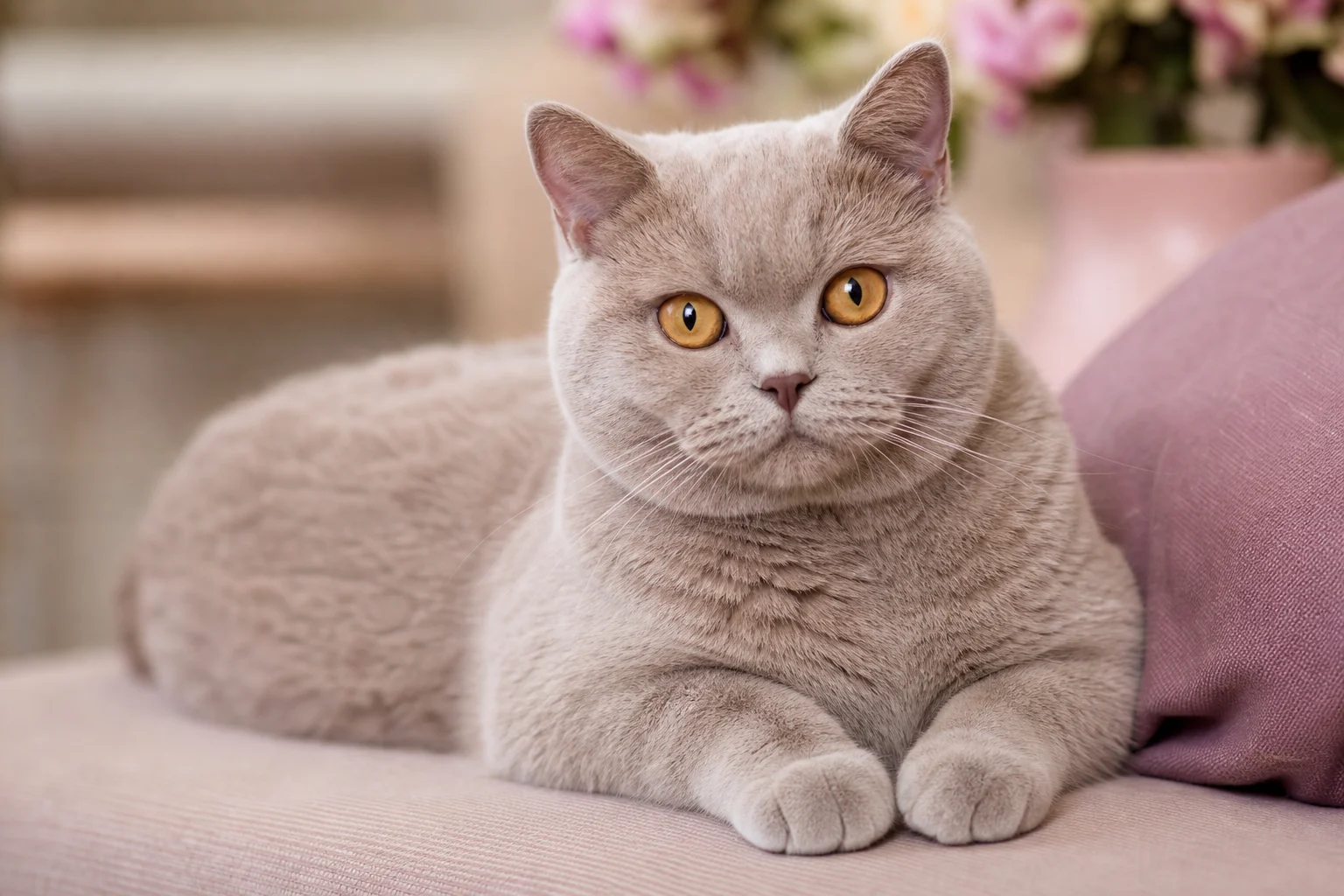
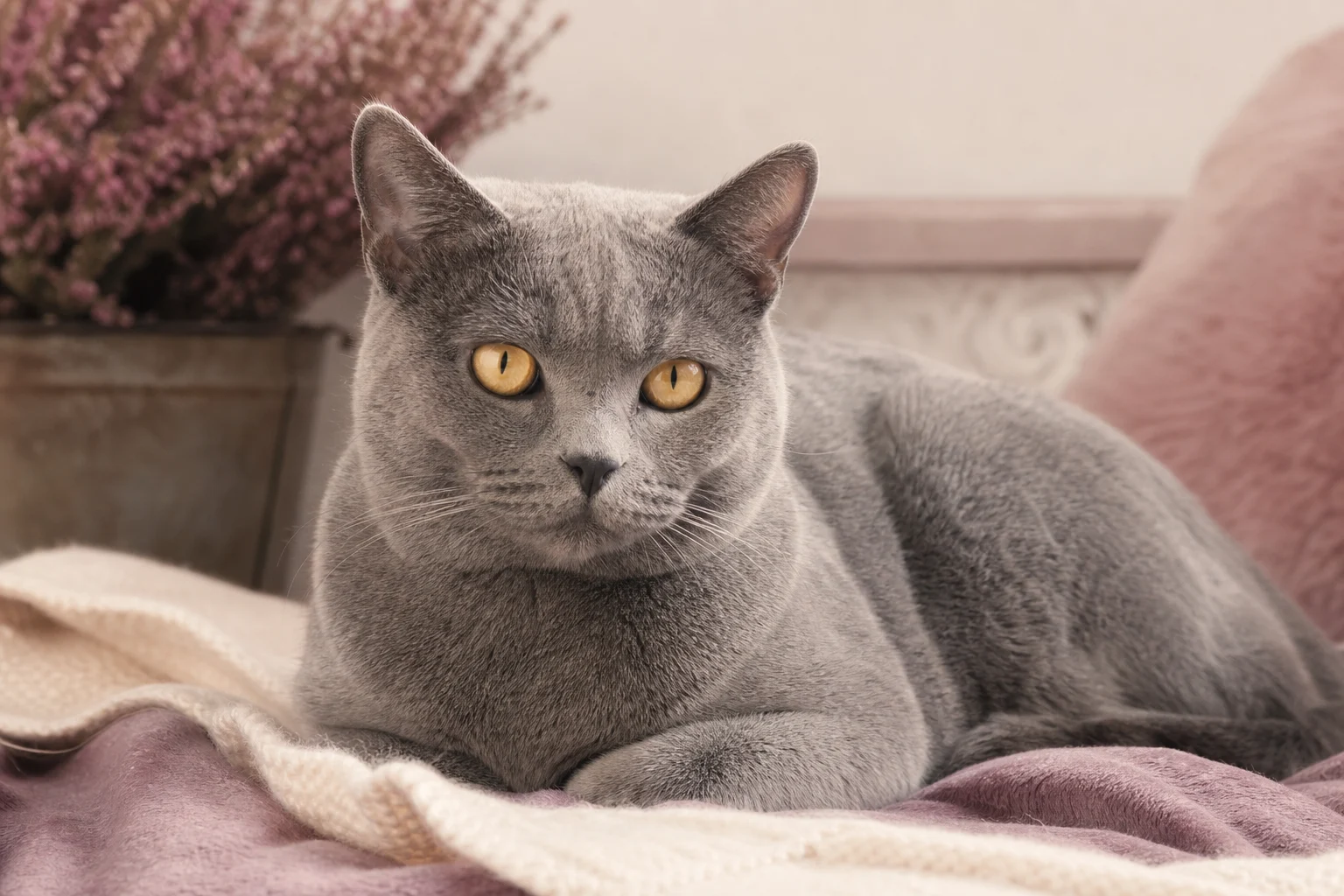
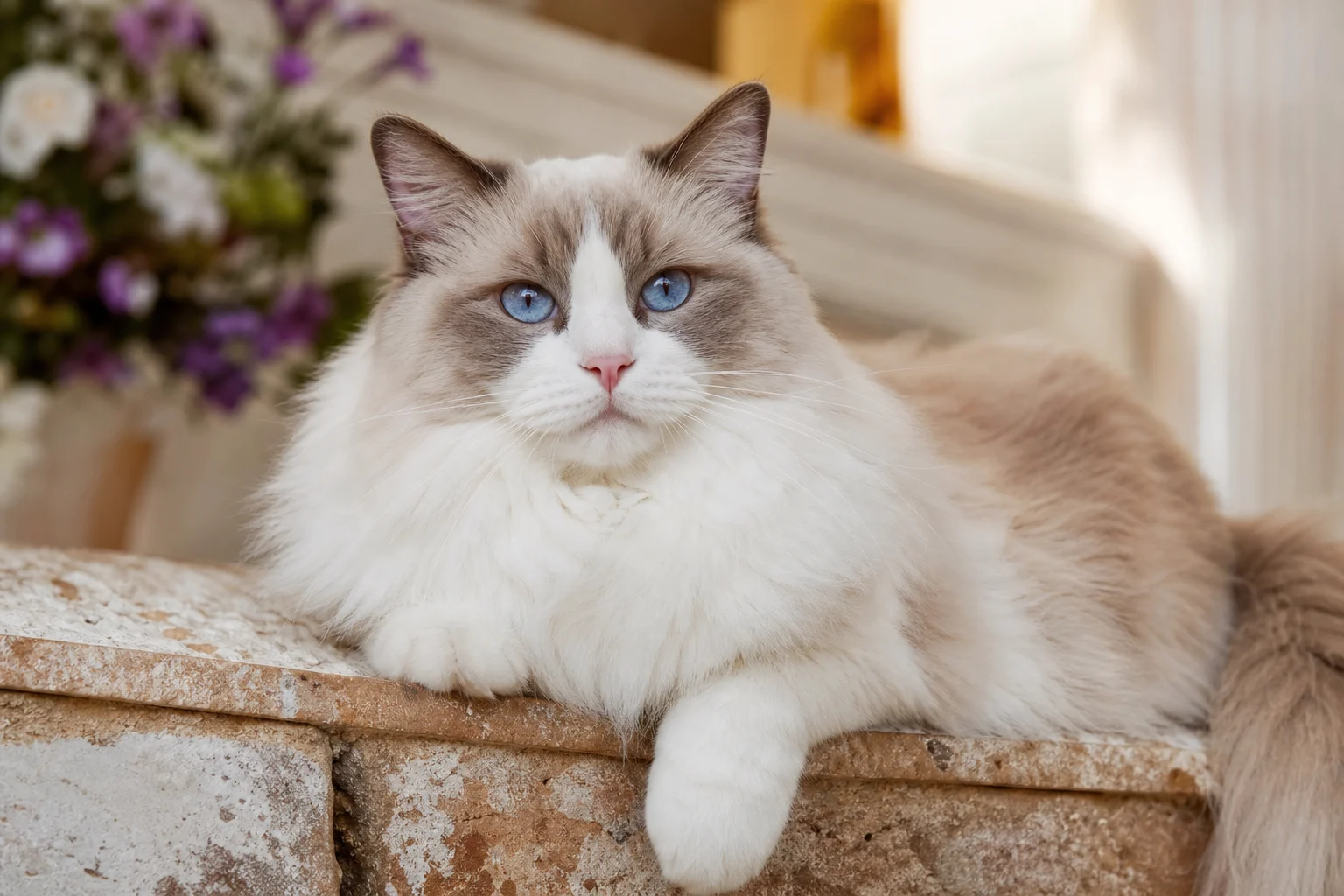
The British Shorthair is the same cat with an easy-care coat; the Ragdoll adds size and floppy lap devotion; the Chartreux offers quiet blue composure in a woolly shorthair dress.
Who this breed suits
Households that love the British calm and enjoy a brushing ritual — families, working couples, seniors. The "Which cat fits me?" test confirms whether the plush mane fits your routine.
Not sure what a British Longhair may eat? The food checker rates individual foods on a traffic-light scale, and the food guide explains what cats can eat and what is toxic.
A good fit for you if …
Frequently asked questions
What is the difference to the British Shorthair?
Only the coat: the BLH carries the longhair gene from historic Persian crosses. Build, colours and the composed temperament are identical.
How much grooming does the coat need?
Brushing two to three times weekly, daily in moult — the dense undercoat mats in armpits and britches when skipped. Less than a Persian, more than a BKH.
Are British Longhairs cuddly?
Affectionate on their own terms: near you always, on you when they decide. Carrying and squeezing is beneath their dignity.
Which health tests matter?
HCM and PKD screening of the parents — the standard questions in the British family.
Can a BLH stay alone during work hours?
Comparatively well, with attention and play in the evenings — one of the more independent gentle breeds.
Do BLH and children get along?
Yes, with children who respect the cat's calm. The breed is patient but withdraws from constant carrying.
Similar breeds
Sources: FIFe/TICA breed standard · breed association data · editorial assessment · Last updated 08/2026. On health questions this article never replaces a visit to the vet.