 AI
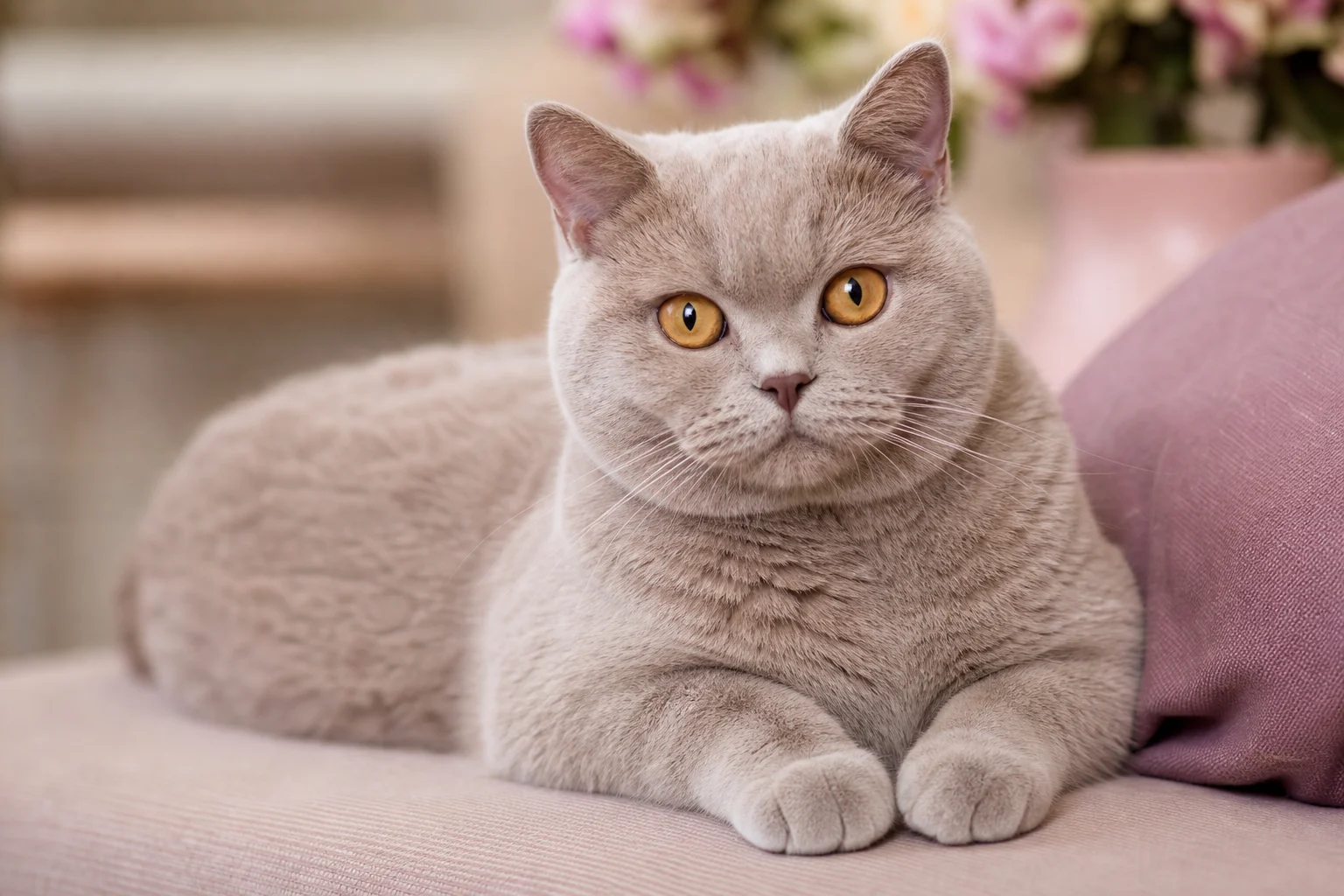
AIBritish Shorthair
Composed, plush and quietly affectionate — the calm heart of any home.
| Size | Large |
|---|---|
| Weight | 4–8 kg |
| Life expectancy | 12–17 years |
| Origin | United Kingdom |
| Type | Natural breed (United Kingdom) |
| Grooming | medium |
| Activity needs | low |
| Beginner friendly | well suited |
Temperament & suitability
Editorial assessment based on the FIFe breed standard and breed association data.
Guideline for movement & enrichment for this breed.
Traits
Origin & history
The British Shorthair descends from the sturdy working cats the Romans brought to Britain, refined into a pedigree breed in the late 19th century — it starred at the world's first cat show at Crystal Palace in 1871. After the World Wars nearly wiped out the breeding stock, Persians and other breeds were crossed in, which gave the modern British its round face and plush coat. The "British Blue" in solid grey-blue remains the iconic variant, though the breed today comes in a wide palette.
Appearance & size
Everything about the British Shorthair is round: a broad face with full cheeks, large round eyes — copper or amber in most colours — and a compact, cobby body on short, strong legs. Males reach five to eight kilograms, females stay lighter. The trademark is the coat: dense, crisp and standing off the body like plush, with so much undercoat that it feels like a teddy bear.
Personality & temperament
The British is the epitome of feline composure. It is friendly and people-oriented without being clingy, keeps its dignity in any commotion and prefers sitting near you over sitting on you — many Brits dislike being picked up and carried. Quiet, patient and self-sufficient, the breed copes with a working household better than most, provided the evenings bring attention and play. Guests usually meet a polite observer rather than a hider.
Indoor or outdoor living
This is one of the classic indoor breeds: calm, low in hunting drive and content with a well-equipped flat. A secured balcony adds fresh air and entertainment without risk. If a companion cat joins, choose a similarly relaxed one — a whirlwind kitten can genuinely annoy a dignified British. The basics of a good indoor setup are in our guide Indoor cat or outdoor cat?
Enrichment & activity
The breed's urge to move is moderate, and that is precisely the risk: without fixed daily play sessions the British eats itself comfortable. Short hunting games with a wand toy, food puzzles and a few minutes of clicker work keep body and mind ticking over — several small sessions beat one long one.
Grooming
The plush coat cares mostly for itself; weekly brushing suffices outside the moult. During spring and autumn the massive undercoat comes out in handfuls — then a daily pass with a comb saves your sofa and the cat's stomach. Claws, ears and teeth follow the normal routine.
Feeding & health
Weight is the number-one topic: a calm temperament plus a hearty appetite makes the British a candidate for creeping obesity. Measure portions against actual need — the food amount calculator helps — and treat sparingly. In the breeding lines, hypertrophic cardiomyopathy (HCM) and polycystic kidney disease (PKD) are the screening topics; good breeders test for both.
Costs
Kittens from tested lines cost around €800–1,200. Running costs are average; the biggest budget line long-term is weight-related vet care if feeding goes unchecked — the cat cost calculator makes the long view concrete.
For beginners, children and other pets
An excellent first cat: robust, forgiving and undramatic. With children the British is patient as long as it is not hauled around; with calm dogs and cats it usually arranges itself without fuss. Its tolerance for alone-time is above average — which still means hours, not days.
Similar breeds compared
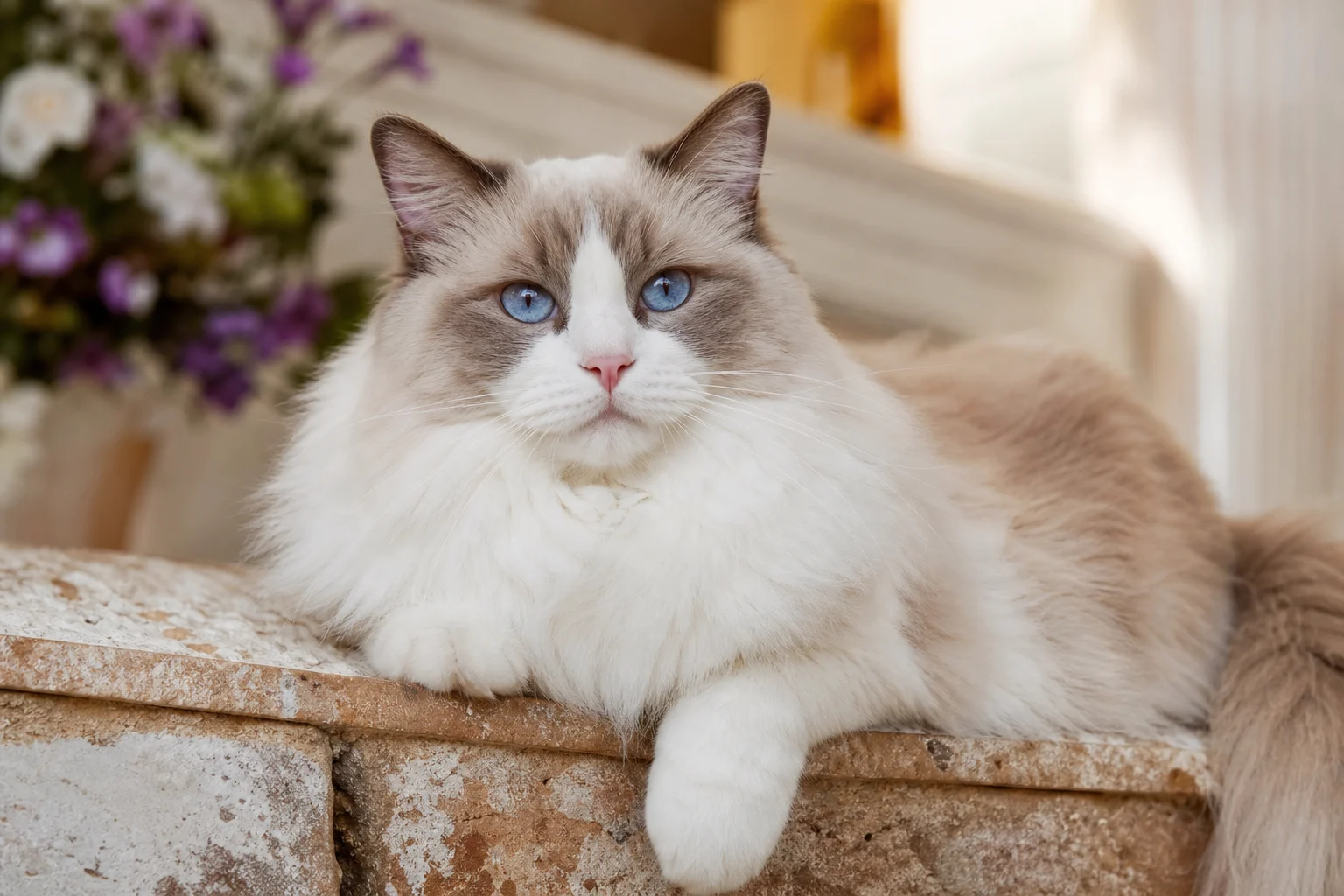
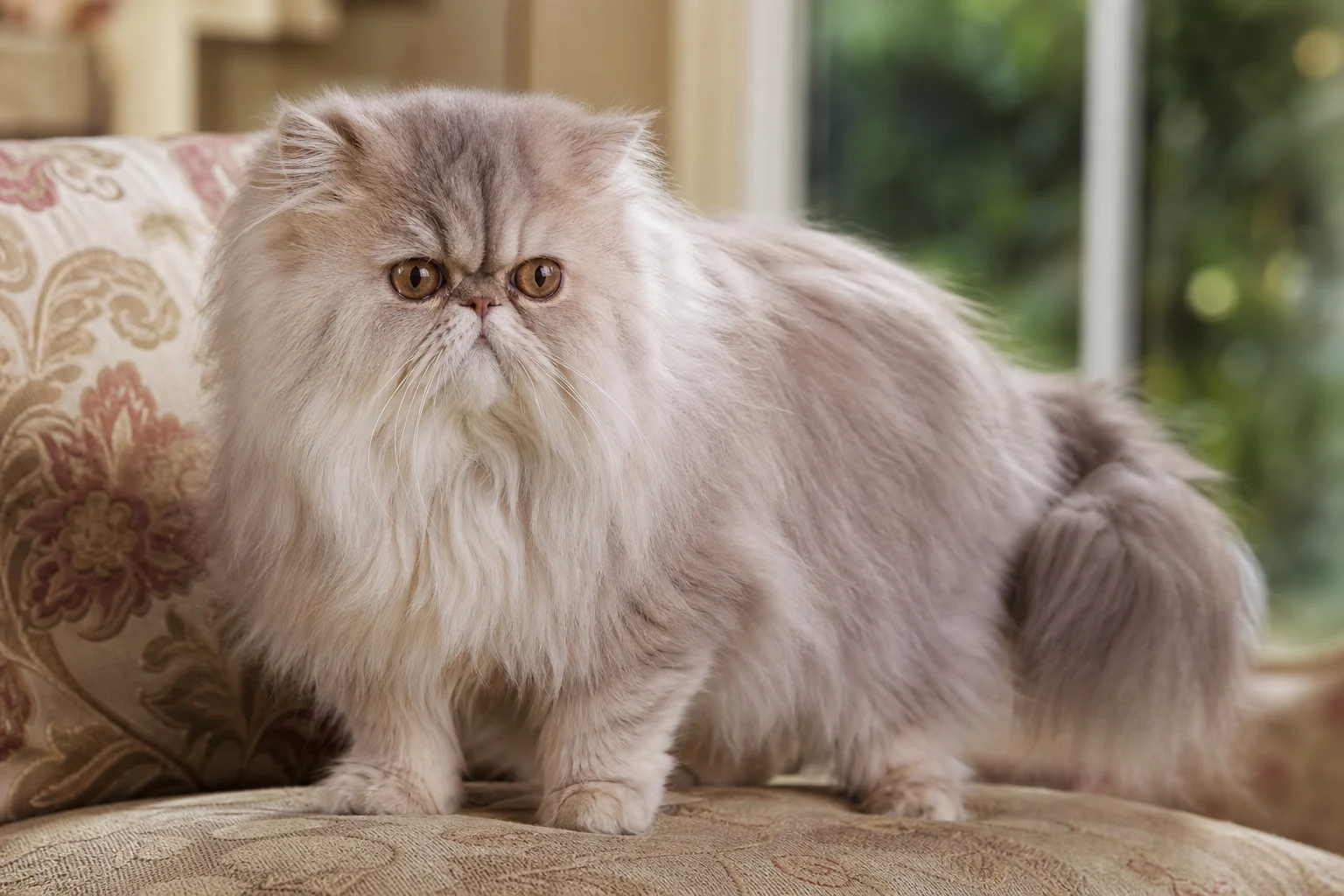
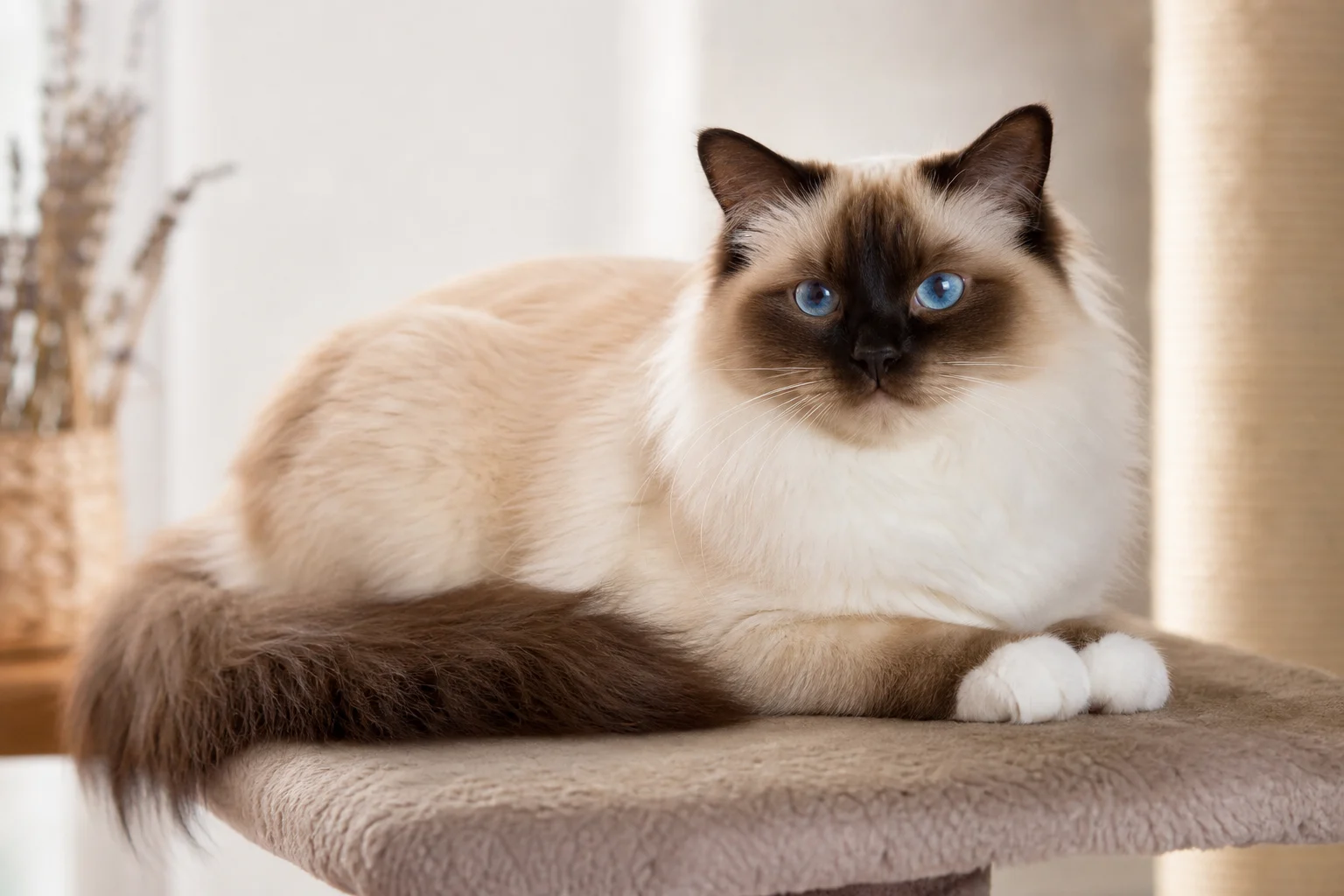
The Ragdoll offers similar calm with more cuddle intensity; the Persian takes serenity further but demands daily coat work; the Birman is livelier and more people-focused while staying family-gentle.
Who this breed suits
Working singles, couples and families who want a composed, uncomplicated companion with presence rather than drama. If that matches your life, run the "Which cat fits me?" test — the British Shorthair scores high for most balanced households.
Not sure what a British Shorthair may eat? The food checker rates individual foods on a traffic-light scale, and the food guide explains what cats can eat and what is toxic.
A good fit for you if …
Frequently asked questions
Are British Shorthairs cuddly?
Affectionate yes, clingy no. Most Brits love being near their people and enjoy strokes, but dislike being picked up — they choose the moment themselves.
Can a British Shorthair stay alone during work hours?
Better than most breeds, yes — with play and attention in the evenings. For full-time absences a second, similarly calm cat is still the fairer setup.
Do British Shorthairs get overweight easily?
Yes, it is the breed's main health risk. Measured portions, few treats and fixed daily play sessions keep the plush frame healthy.
Which colours does the breed come in?
Far more than the famous blue: black, white, cream, silver, tortoiseshell, tabby and bicolour variants among others. Eye colour varies with coat colour.
Which health tests matter when buying?
HCM (heart) and PKD (kidneys) screening in the parents. Reputable breeders show the results without being asked.
How much grooming does the plush coat need?
Weekly brushing normally, daily during the moult when the dense undercoat sheds heavily.
Similar breeds
Sources: FIFe/TICA breed standard · breed association data · editorial assessment · Last updated 08/2026. On health questions this article never replaces a visit to the vet.