 AI
AIPersian
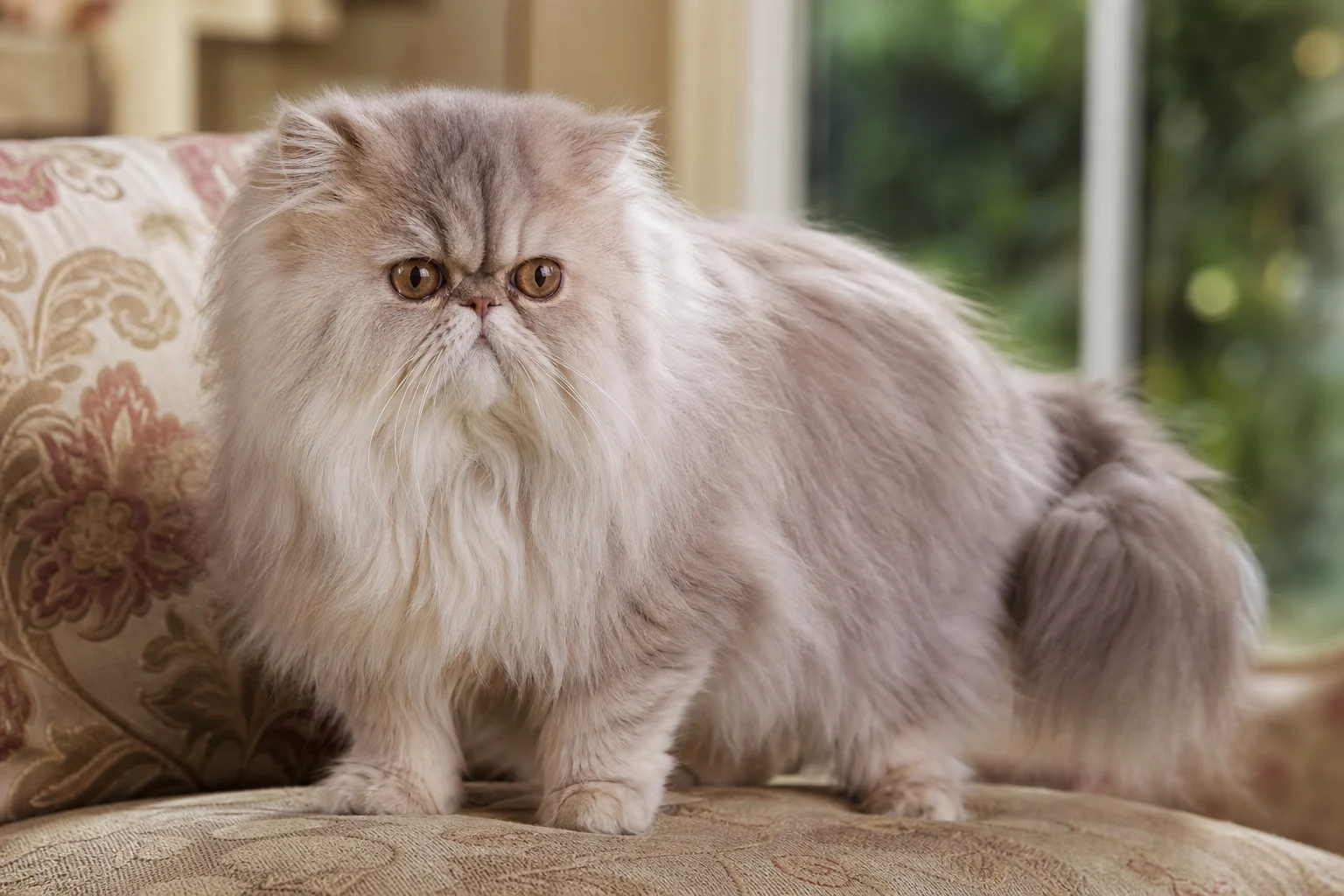
Serene, quiet and devoted — pure calm on velvet paws, with a coat that is a daily commitment.
| Size | Large |
|---|---|
| Weight | 3–7 kg |
| Life expectancy | 12–17 years |
| Origin | Iran / United Kingdom |
| Type | Natural breed / pedigree |
| Grooming | very high |
| Activity needs | very low |
| Beginner friendly | better for experienced owners |
Temperament & suitability
Editorial assessment based on the FIFe breed standard and breed association data.
Guideline for movement & enrichment for this breed.
Traits
Origin & history
Longhaired cats from Persia and Anatolia reached Europe in the 17th century and became treasures of aristocratic salons; Queen Victoria's Persians made the breed a British institution. More than a century of show breeding shaped today's type — the full coat, the round face and, in some lines, the extremely flat "peke face", which is a health problem rather than a beauty ideal. Moderate-type Persians with a visible nose are the welfare-conscious choice.
Appearance & size
The Persian is a compact, heavy-boned cat of four to seven kilograms that looks bigger under its enormous coat — the longest of any breed, with a ruff, cascading flanks and a plumed tail. The face is round with large, expressive eyes; colours span solid white, black, blue, cream and red, plus silver, shaded, tortoiseshell and pointed variants (the latter bred separately as Himalayan).
Personality & temperament
No breed does serenity like the Persian. It rests in itself, moves through the day at walking pace, speaks in a small quiet voice and prefers a familiar lap to any adventure. Strangers are examined from a dignified distance; loud households are endured but not enjoyed. Affection is deep and calm — a Persian is present rather than demanding, a roommate who shares silence.
Indoor or outdoor living
An indoor cat without question: the coat and the trusting calm both rule out free roaming. The Persian is the rare breed that finds a normal flat genuinely sufficient — a warm window seat, a groomed resting spot, a low scratching post. A secured balcony is appreciated shade included; wild climbing landscapes are wasted on it. See Indoor cat or outdoor cat? for the setup basics.
Enrichment & activity
Play drive is low but real — short, gentle sessions with a feather wand keep joints moving and weight in check. More important is ritual: Persians love predictable days, fixed feeding times and their established places. Change stresses this breed more than boredom does.
Grooming
The daily commitment. The Persian coat mats within days if neglected — combing through every day, plus regular checks of the trousers and armpits, is non-negotiable, and a bath every few weeks is normal in many households. Flat-faced individuals additionally need daily eye cleaning, as the tear ducts overflow. Whoever finds this meditative gets a wonderful cat; whoever skips it gets a veterinary problem.
Feeding & health
Feed measured portions — the calm engine gains weight easily; the food amount calculator sets the baseline. The breed's screening topic is PKD (polycystic kidney disease), well controllable through tested lines. The flat face brings its own package: breathing noise, tear overflow and dental crowding grow with the degree of flattening — choose moderate-type breeders deliberately. Hairballs are a lifelong theme; daily combing is the best prevention.
Costs
Kittens from tested, moderate lines cost €800–1,300. Budget for grooming tools, occasional professional grooming and — realistically — higher vet attention for eyes and teeth in flatter-faced individuals. The cat cost calculator adds it up honestly.
For beginners, children and other pets
Temperament-wise ideal for beginners, families with calm children and seniors — nothing about the Persian character is difficult. The grooming duty is the real entry barrier: it demands daily discipline from day one. With gentle dogs and quiet cats the Persian coexists peacefully; boisterous animals stress it.
Similar breeds compared
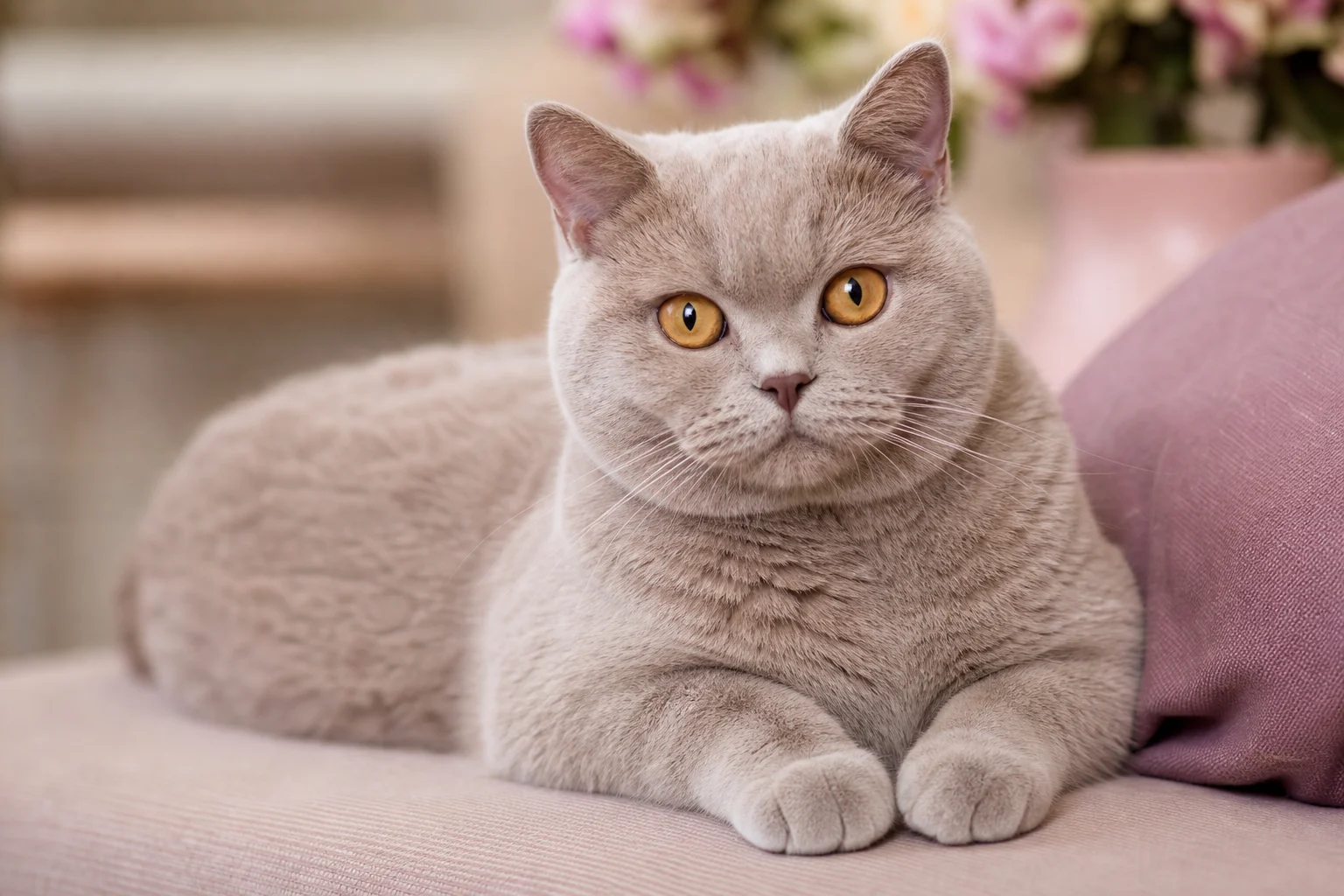
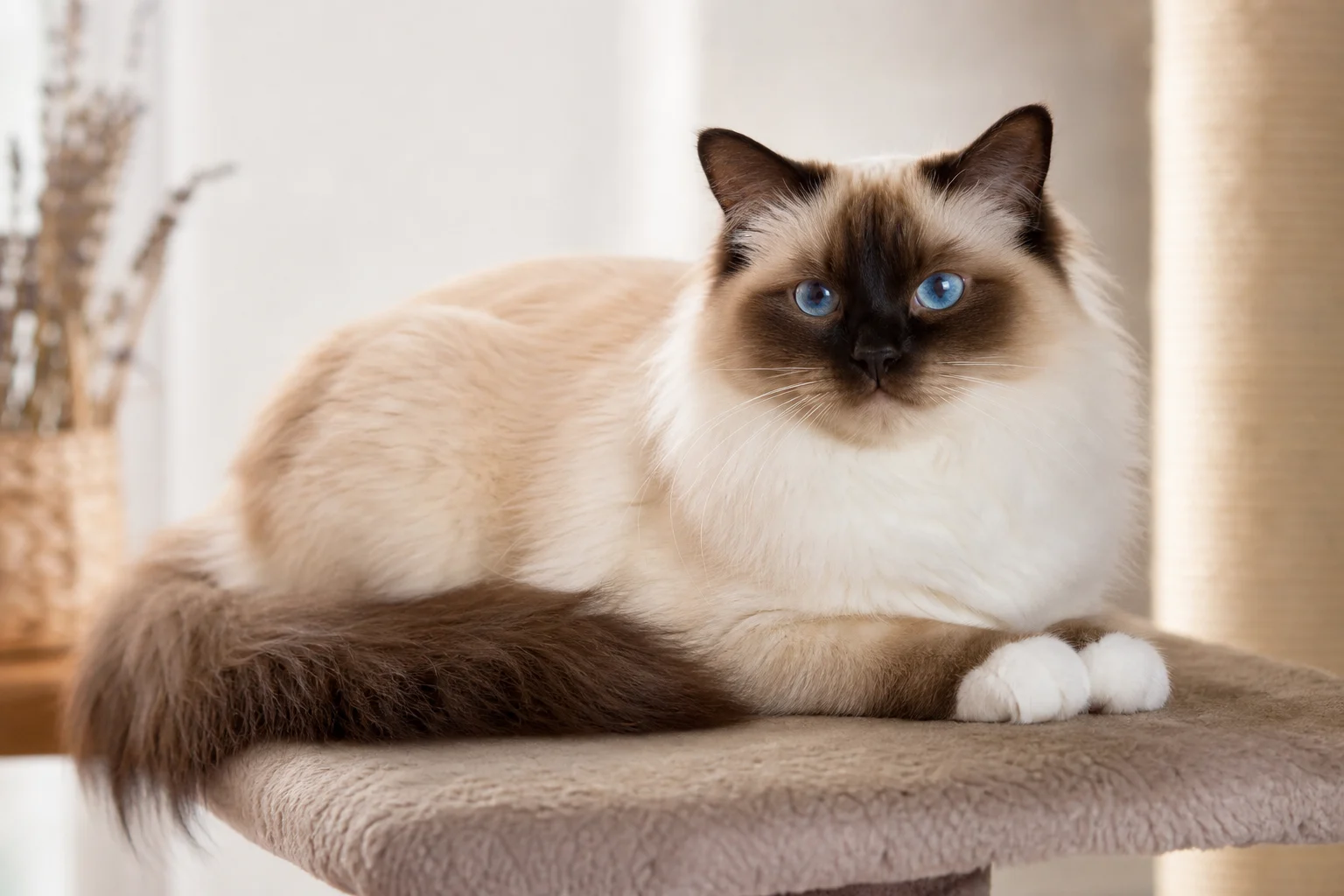
The Exotic Shorthair is the Persian in an easy-care plush coat — same soul, a fraction of the brushing; the British Shorthair offers comparable calm with more independence; the Birman brings silky point elegance with a moderate coat and a touch more liveliness.
Who this breed suits
Calm households that want a devoted, quiet companion and genuinely enjoy the daily grooming ritual. If serenity tops your wish list, let the "Which cat fits me?" test confirm the match — and consider the Exotic Shorthair if the coat work gives you pause.
Not sure what a Persian may eat? The food checker rates individual foods on a traffic-light scale, and the food guide explains what cats can eat and what is toxic.
A good fit for you if …
Frequently asked questions
How much grooming does a Persian need?
Daily. The coat mats within days without combing, and flat-faced Persians also need daily eye cleaning. Plan 15–30 minutes every day for the cat's whole life.
Are Persians lazy?
Serene rather than lazy — the breed has the lowest activity drive of the popular breeds. Short daily play sessions still matter for weight and joints.
What is the problem with flat faces?
The extreme 'peke face' causes breathing noise, overflowing tear ducts and dental crowding. Moderate-type Persians with a visible nose avoid most of it — choose breeders accordingly.
Which health tests matter?
PKD (kidneys) above all; good breeders also screen hearts (HCM) and breed for moderate head type.
Do Persians get along with children and dogs?
With calm children and gentle dogs, yes. Rough handling or boisterous animals stress the breed — it endures quietly instead of defending itself.
Persian or Exotic Shorthair?
Same temperament, different coat: the Exotic wears a short plush version that needs a fraction of the grooming. If daily combing deters you, the Exotic is the honest choice.
Similar breeds
Sources: FIFe/TICA breed standard · breed association data · editorial assessment · Last updated 08/2026. On health questions this article never replaces a visit to the vet.