 AI
AIBirman
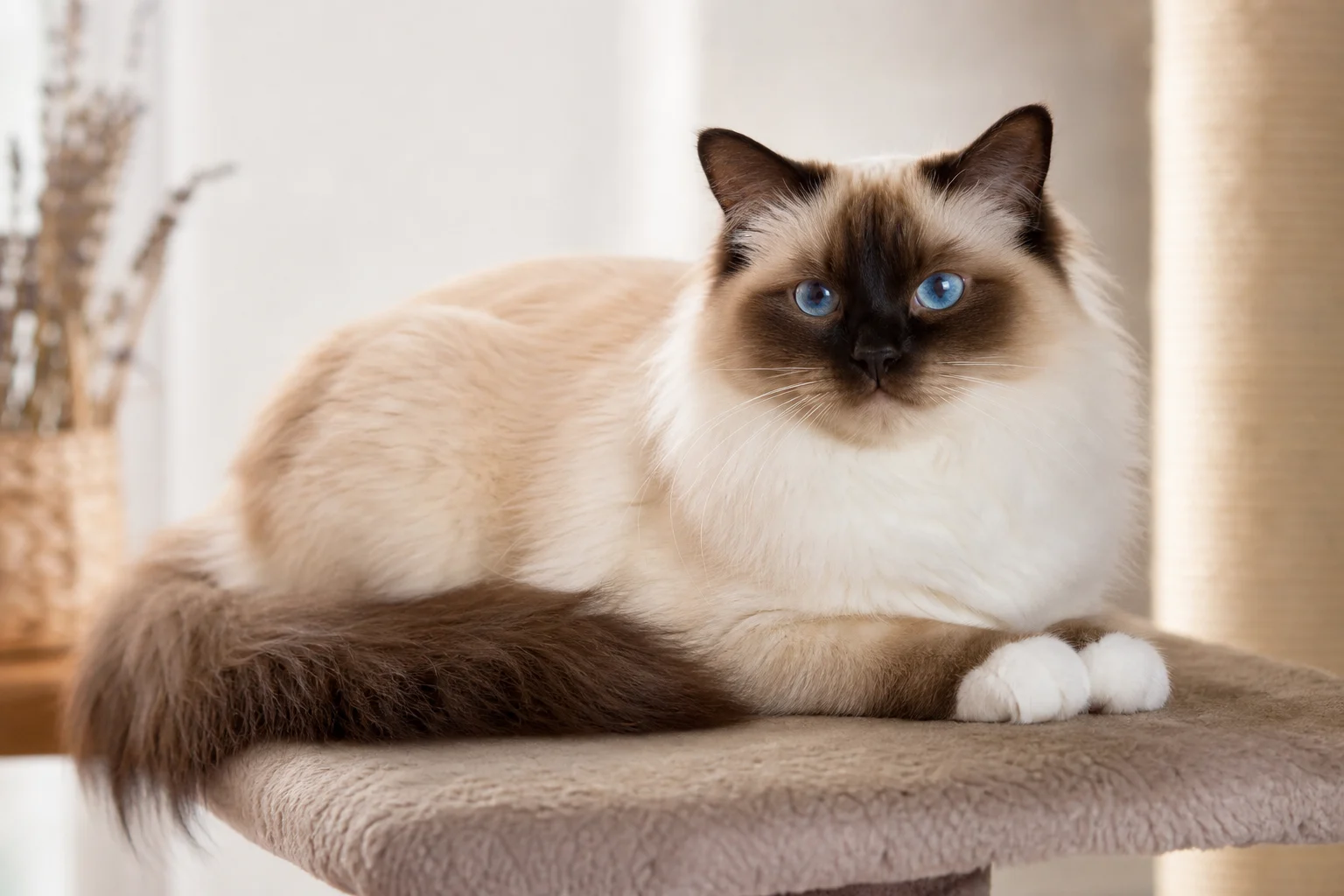
Gentle blue-eyed elegance with white gloves — sociable, soft-voiced and family-perfect.
| Size | Medium |
|---|---|
| Weight | 4–6 kg |
| Life expectancy | 13–16 years |
| Origin | Myanmar / France |
| Type | Natural breed / pedigree |
| Grooming | medium |
| Activity needs | medium |
| Beginner friendly | well suited |
Temperament & suitability
Editorial assessment based on the FIFe breed standard and breed association data.
Guideline for movement & enrichment for this breed.
Traits
Origin & history
Legend places the Birman in Burmese temples, where the souls of departed priests supposedly lived on in golden cats with sapphire eyes; verifiable history begins in 1920s France, where the breed was established from imported pointed longhairs. Nearly extinct after the war, it was rebuilt from a handful of cats with careful outcrossing. The trademark white "gloves" on all four paws — ideally symmetrical — remain the breed's hallmark and its breeders' lifelong obsession.
Appearance & size
A medium, softly rounded cat of four to six kilograms in silky semi-long fur that barely mats — lighter in undercoat than Persian or forest-cat coats. Always pointed with deep blue eyes, in seal, blue, chocolate and lilac plus tabby and tortie variants, and always with the white gloves; the hind paws extend into "gauntlets" up the hock. The golden-cream body glow of a good seal point Birman is one of catdom's finest sights.
Personality & temperament
The Birman sits precisely between poles: livelier than a Persian, calmer than a Siamese, affectionate without clinging, playful without chaos. It is a gentle, soft-voiced companion that greets guests instead of hiding, follows family life with friendly interest and distributes its affection across the whole household rather than electing a single person. Balance is the breed's superpower.
Indoor or outdoor living
A classic indoor cat, content in any flat that offers company, a scratching tree and window seats; a secured balcony rounds it off. Its trusting friendliness rules out unsecured roaming. Birmans handle moderate alone-time but flourish with company — a second cat fits this sociable breed naturally; the guide on keeping several cats shows the harmonious setup.
Enrichment & activity
Medium engine, reliable enjoyment: daily play sessions with wand toys, gentle fetch, puzzle feeders. The Birman joins whatever you offer without demanding more, which makes it easy — and makes fixed play routines your responsibility, since it will not insist.
Grooming
Pleasantly easy for a semi-longhair: the silky, low-undercoat coat needs brushing once or twice a week and a little extra during moult. No daily programme, no matting drama — the Persian look without the Persian workload.
Feeding & health
A fundamentally healthy breed; the screening topics are HCM and PKD, both standard tests in good catteries. The moderate temperament invites moderate weight gain — portion via the food amount calculator and keep treats counted.
Costs
Kittens from tested lines cost €800–1,200. Running costs are unremarkable; the cat cost calculator turns them into a realistic monthly figure.
For beginners, children and other pets
One of the safest recommendations in the entire breed catalogue: beginner-friendly, patient with children, harmonious with cats and gentle dogs, and free of extremes in voice, energy or care. If a household could order "uncomplicated family cat" from a catalogue, the Birman is what would arrive.
Similar breeds compared
The Ragdoll is bigger and even more laid-back; the Siamese shares the points but doubles the volume and energy; the Persian offers deeper calm at the price of daily grooming.
Who this breed suits
Families, couples and first-time owners who want a gentle, sociable companion without special requirements. Confirm the fit with the "Which cat fits me?" test — the Birman ranks high for most balanced households.
Not sure what a Birman may eat? The food checker rates individual foods on a traffic-light scale, and the food guide explains what cats can eat and what is toxic.
A good fit for you if …
Frequently asked questions
Why is the Birman called sacred?
After the legend of Burmese temple cats carrying priests' souls — golden coat, sapphire eyes, white paws. The verifiable breed history begins in France in the 1920s.
Are Birmans as relaxed as Ragdolls?
Nearly — the Birman is a touch livelier and more playful, the Ragdoll bigger and floppier. Both rank among the gentlest family breeds.
How much grooming does the coat need?
Little for its length: the silky, low-undercoat fur needs brushing once or twice a week and barely mats.
Which health tests matter?
HCM and PKD screening of the parents — both standard at reputable catteries.
Are Birmans good with children and dogs?
Yes — patient, gentle and sociable, they fit families with respectful children and calm dogs exceptionally well.
Do Birmans bond to one person?
Usually to the whole household — the breed distributes affection broadly rather than electing a single human, which suits family life.
Similar breeds
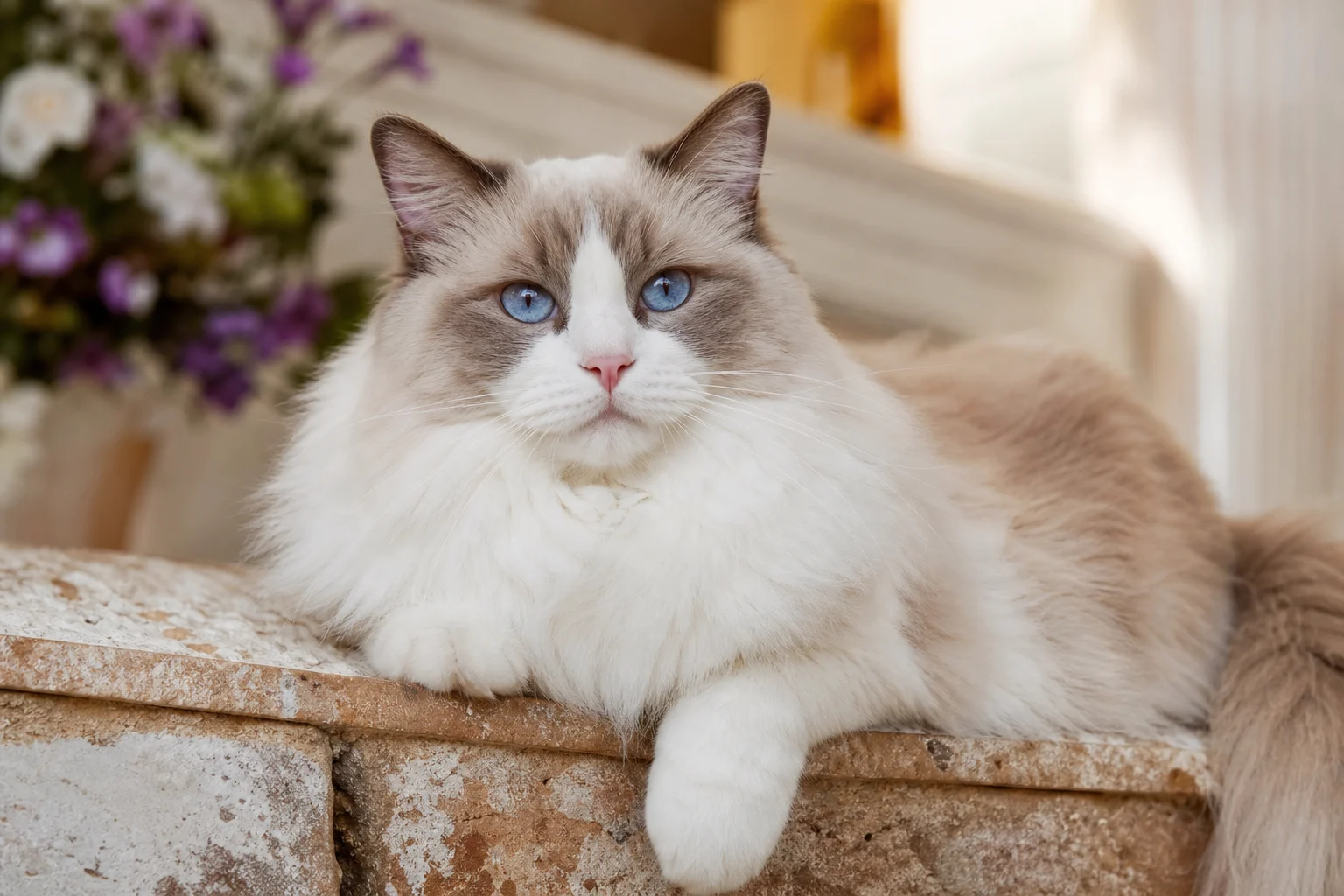
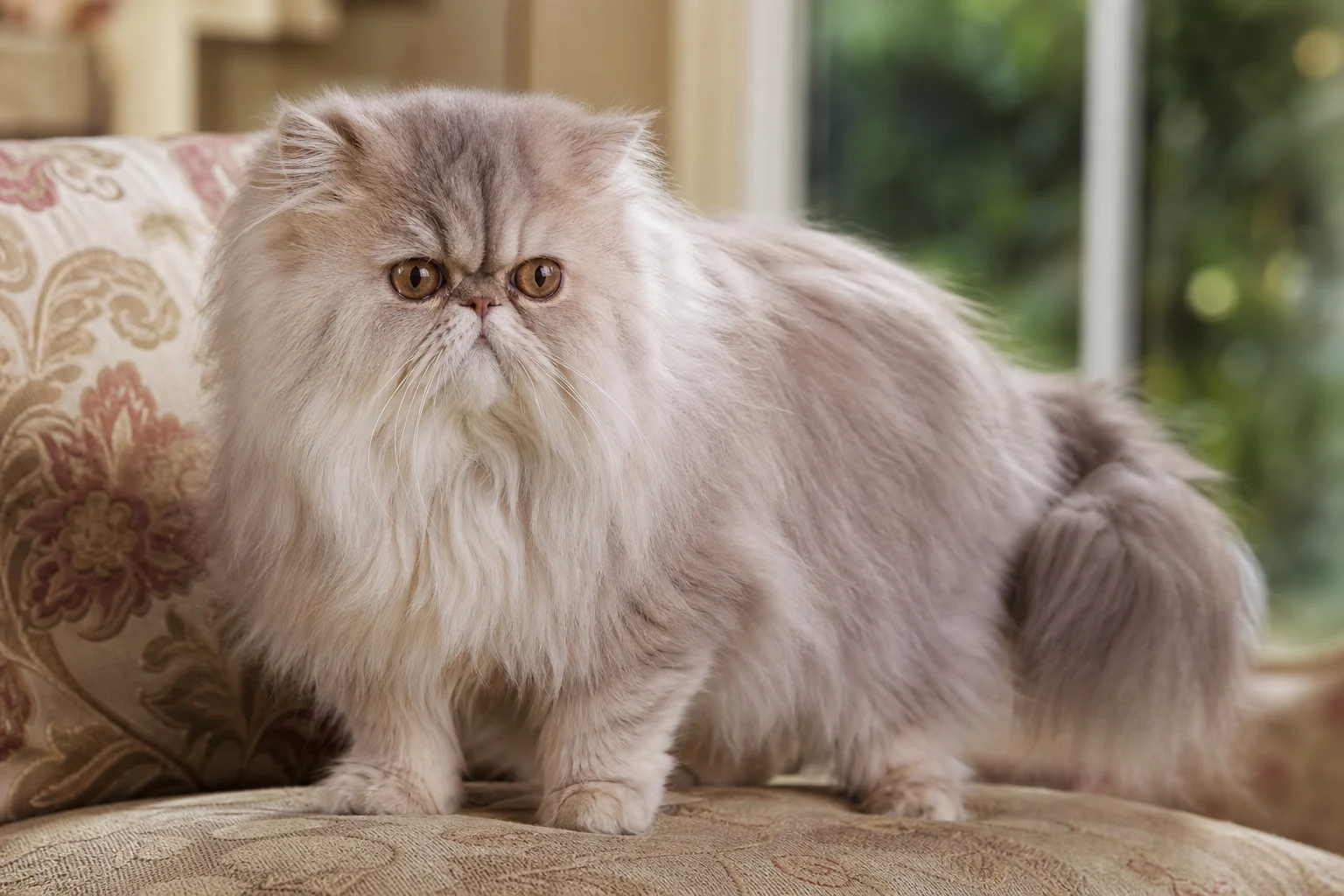
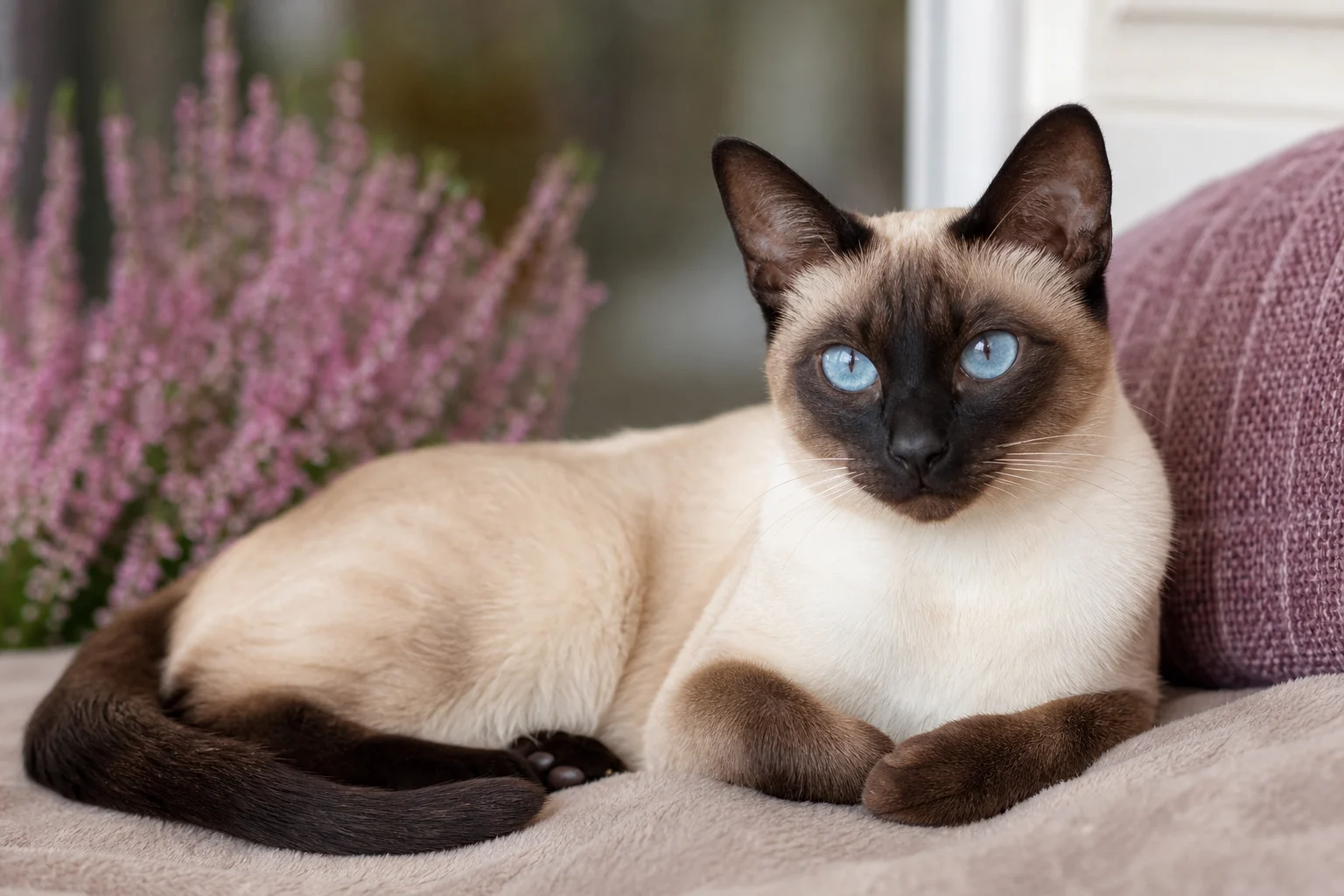
Sources: FIFe/TICA breed standard · breed association data · editorial assessment · Last updated 08/2026. On health questions this article never replaces a visit to the vet.