 AI
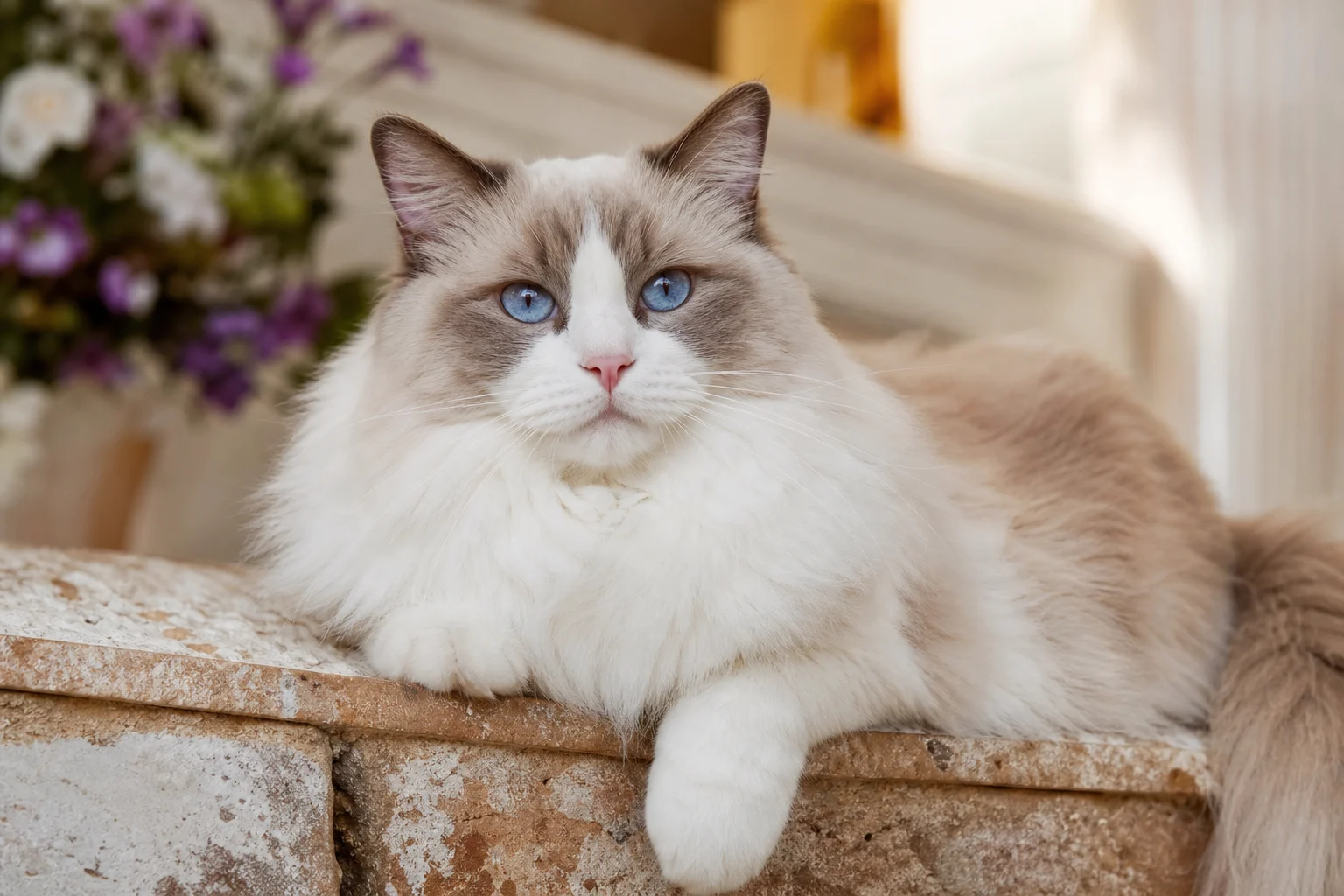
AIRagdoll
Famously relaxed and deeply affectionate — the cat that melts into your arms.
| Size | Very large |
|---|---|
| Weight | 4–9 kg |
| Life expectancy | 12–17 years |
| Origin | United States |
| Type | Pedigree breed (USA) |
| Grooming | medium |
| Activity needs | low |
| Beginner friendly | well suited |
Temperament & suitability
Editorial assessment based on the FIFe breed standard and breed association data.
Guideline for movement & enrichment for this breed.
Traits
Origin & history
The Ragdoll is a young breed with a precise birthplace: California in the early 1960s, where breeder Ann Baker built a line around the white longhair Josephine and her strikingly placid offspring. The name describes the party trick — many Ragdolls go soft as a rag doll when picked up. From the start the breed was selected for temperament as much as looks, which explains why gentleness is its most reliable trait.
Appearance & size
Ragdolls are among the largest domestic cats: males reach six to nine kilograms, carried on a long, broad-chested body. The semi-long coat is silky with little undercoat, the eyes always an intense blue. All Ragdolls are pointed — darker on ears, face, paws and tail — in seal, blue, chocolate and lilac tones, plus mitted and bicolour patterns. Like other large breeds, they mature slowly over three to four years.
Personality & temperament
The Ragdoll is built for closeness. It follows its people through the home, greets at the door, settles onto laps whenever one is offered and tolerates handling like few other cats — the famous limpness is real in many individuals. The flip side of this docility: Ragdolls are trusting to a fault and rank low on assertiveness, which makes them poor candidates for outdoor life and for households with pushy animals. Their voice is soft and rarely used.
Indoor or outdoor living
An indoor breed through and through. The combination of trustfulness, low flight instinct and high theft appeal makes free roaming a bad idea; a secured balcony or catio covers the fresh-air needs completely. Indoors the Ragdoll is undemanding — more floor cat than climber, it values wide, low platforms and your sofa above any ceiling-high tree. The guide Indoor cat or outdoor cat? covers the safety maths.
Enrichment & activity
Play drive is moderate and stays kitten-soft into adulthood: gentle wand games, rolling balls, food puzzles. What the Ragdoll genuinely needs is company — it handles loneliness worse than almost any breed. For working households a second cat is not a nice-to-have but part of responsible keeping; the guide on keeping several cats shows how to set it up.
Grooming
The silky, low-undercoat coat is easy for its length: brushing twice a week prevents the few mats that form behind ears and in armpits, a little more during the moult. Many Ragdolls actively enjoy the brushing ritual — start early and it becomes bonding time.
Feeding & health
Feed for the frame, not the fluff: a big cat with a calm engine gains weight quietly. Portion with the food amount calculator and weigh regularly. The breed's serious hereditary topic is hypertrophic cardiomyopathy (HCM) — a specific gene test exists for the Ragdoll, and no reputable breeder skips it. PKD screening is standard in good catteries too.
Costs
Expect €900–1,400 for a kitten from tested lines. Running costs are those of a large cat — more food, bigger everything — which the cat cost calculator turns into concrete monthly figures.
For beginners, children and other pets
One of the best family and beginner cats there is: patient with careful children, friendly with cat-safe dogs, harmonious with other relaxed cats. Two caveats: its tolerance must never be tested by rough handling — the Ragdoll endures instead of defending itself — and it should not carry the burden of an empty home alone.
Similar breeds compared
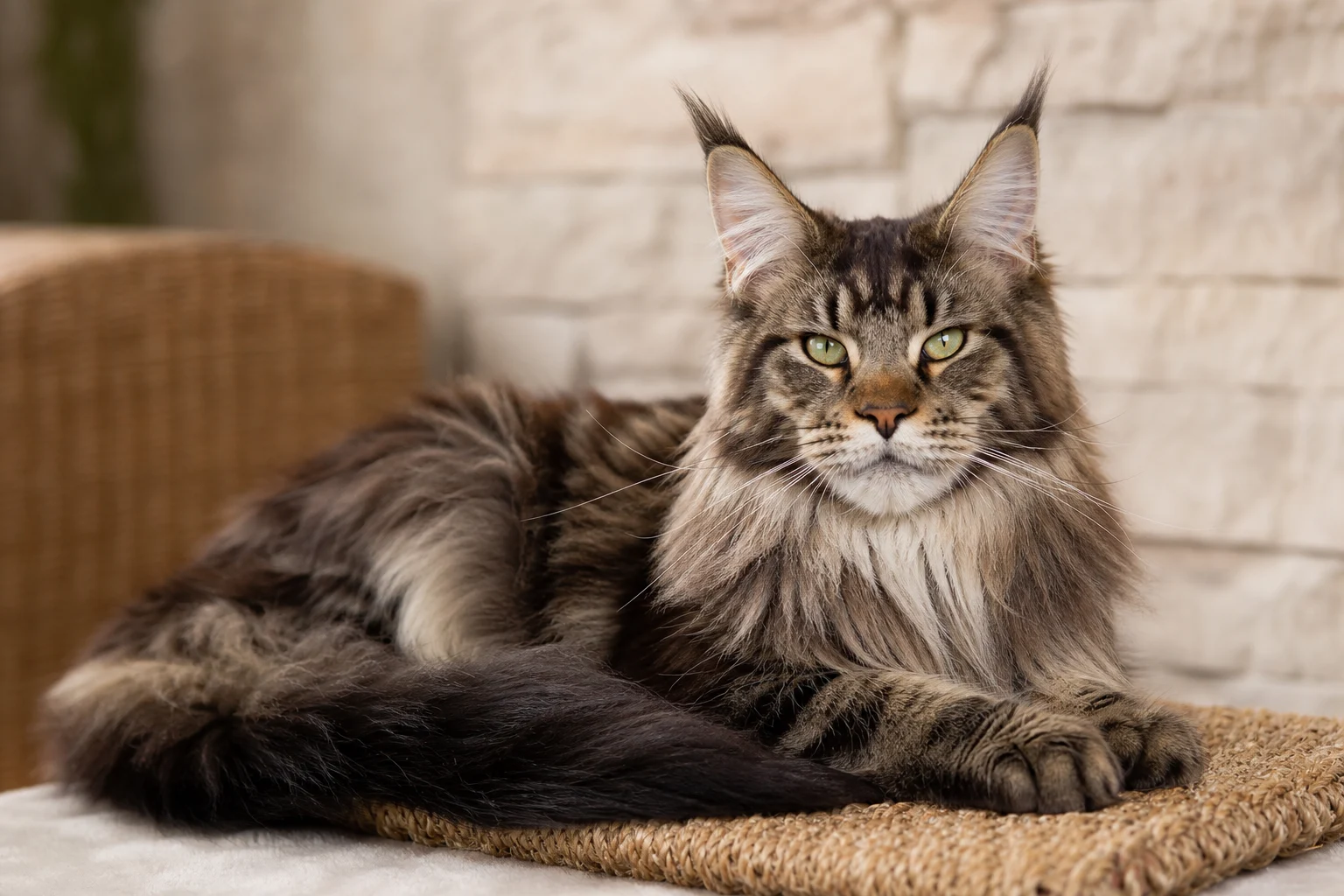
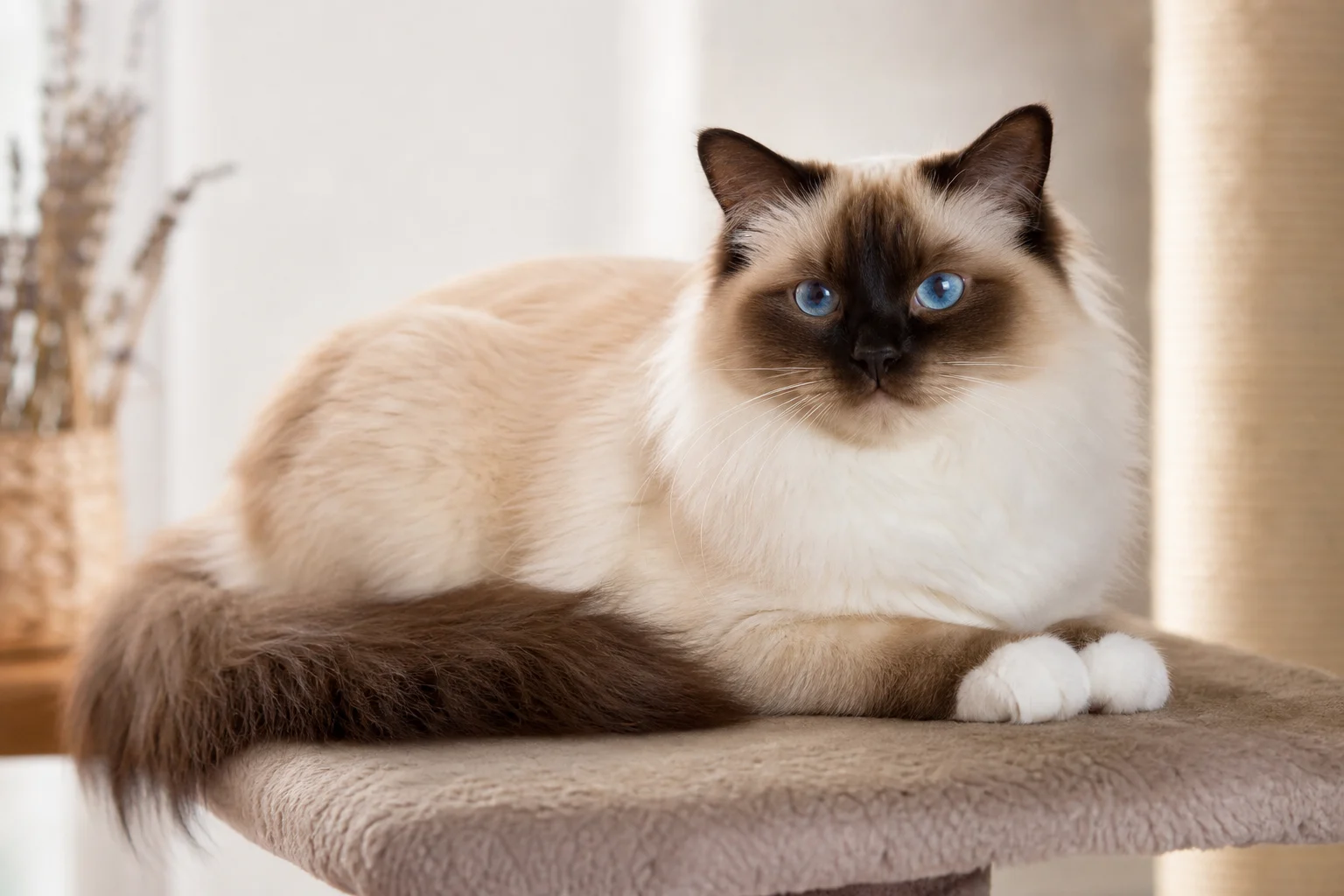
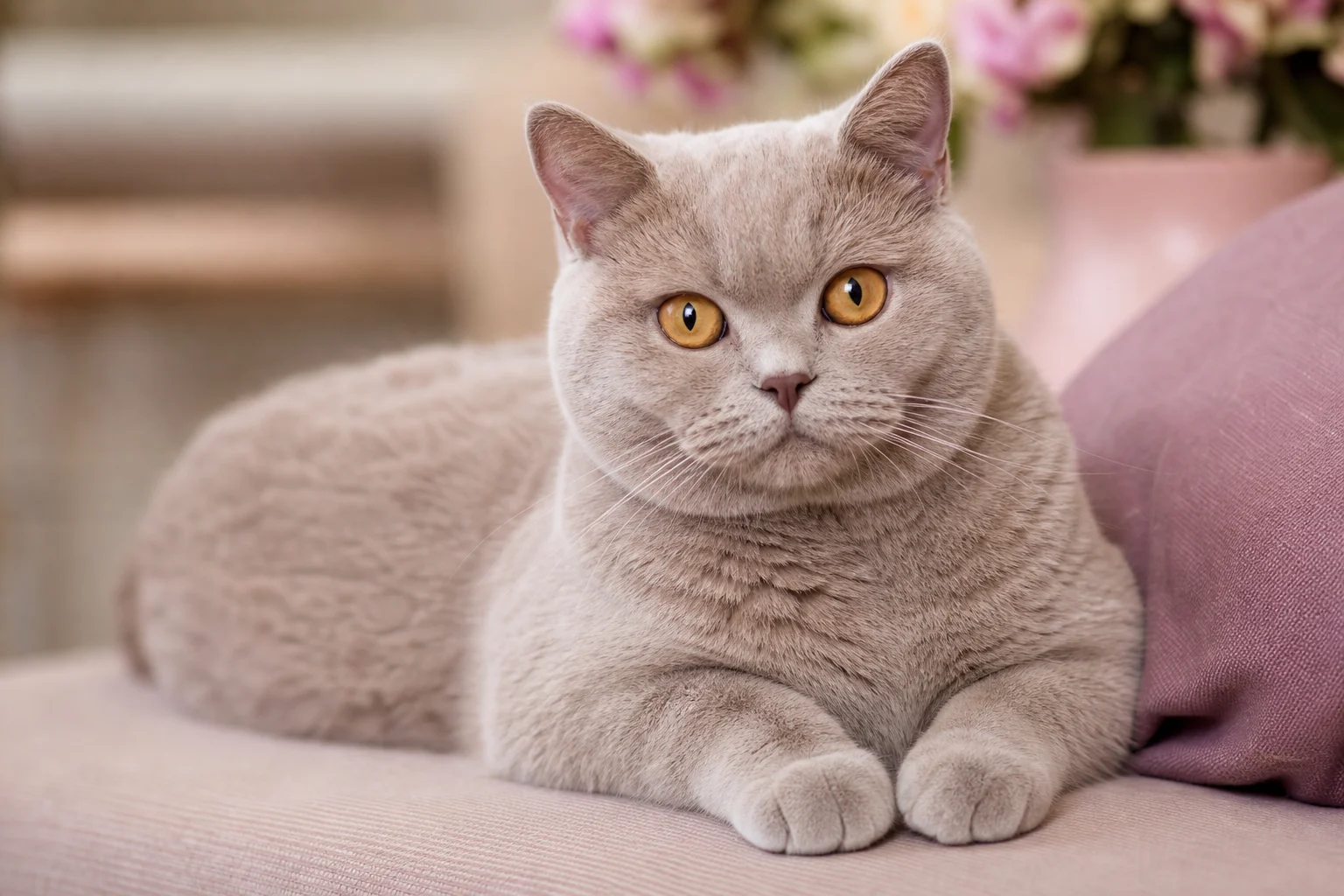
The Birman offers similar point beauty in a smaller, livelier package; the Maine Coon matches the size with more play drive and independence; the British Shorthair shares the calm but keeps more personal distance.
Who this breed suits
People who want maximum affection and are home enough to return it — families, home-office households, seniors. If a devoted, carryable, deeply gentle companion is what you are after, the "Which cat fits me?" test will likely put the Ragdoll near the top of your list.
Not sure what a Ragdoll may eat? The food checker rates individual foods on a traffic-light scale, and the food guide explains what cats can eat and what is toxic.
A good fit for you if …
Frequently asked questions
Why is the breed called Ragdoll?
Many Ragdolls go completely limp when picked up — like a rag doll. The founder line was selected for exactly this relaxed handling tolerance.
Are Ragdolls really that cuddly?
Yes, by breed design. They seek laps, tolerate carrying and follow their people around. Individual character still varies — meet the kitten before you decide.
Can Ragdolls be left alone?
Badly. The breed handles loneliness worse than most; for working households a second cat is practically mandatory.
Why should Ragdolls not roam freely?
They are trusting, low in assertiveness and attractive to thieves — a dangerous combination outdoors. A secured balcony or catio is the safe alternative.
Which health tests matter?
HCM above all — a Ragdoll-specific gene test exists — plus PKD screening. Ask any breeder for both results.
Do blue eyes mean the cat is deaf?
No. The Ragdoll's blue eyes come with the pointed coat pattern, which is not linked to deafness the way white coats with blue eyes can be.
Similar breeds
Sources: FIFe/TICA breed standard · breed association data · editorial assessment · Last updated 08/2026. On health questions this article never replaces a visit to the vet.