 AI
AIAsian
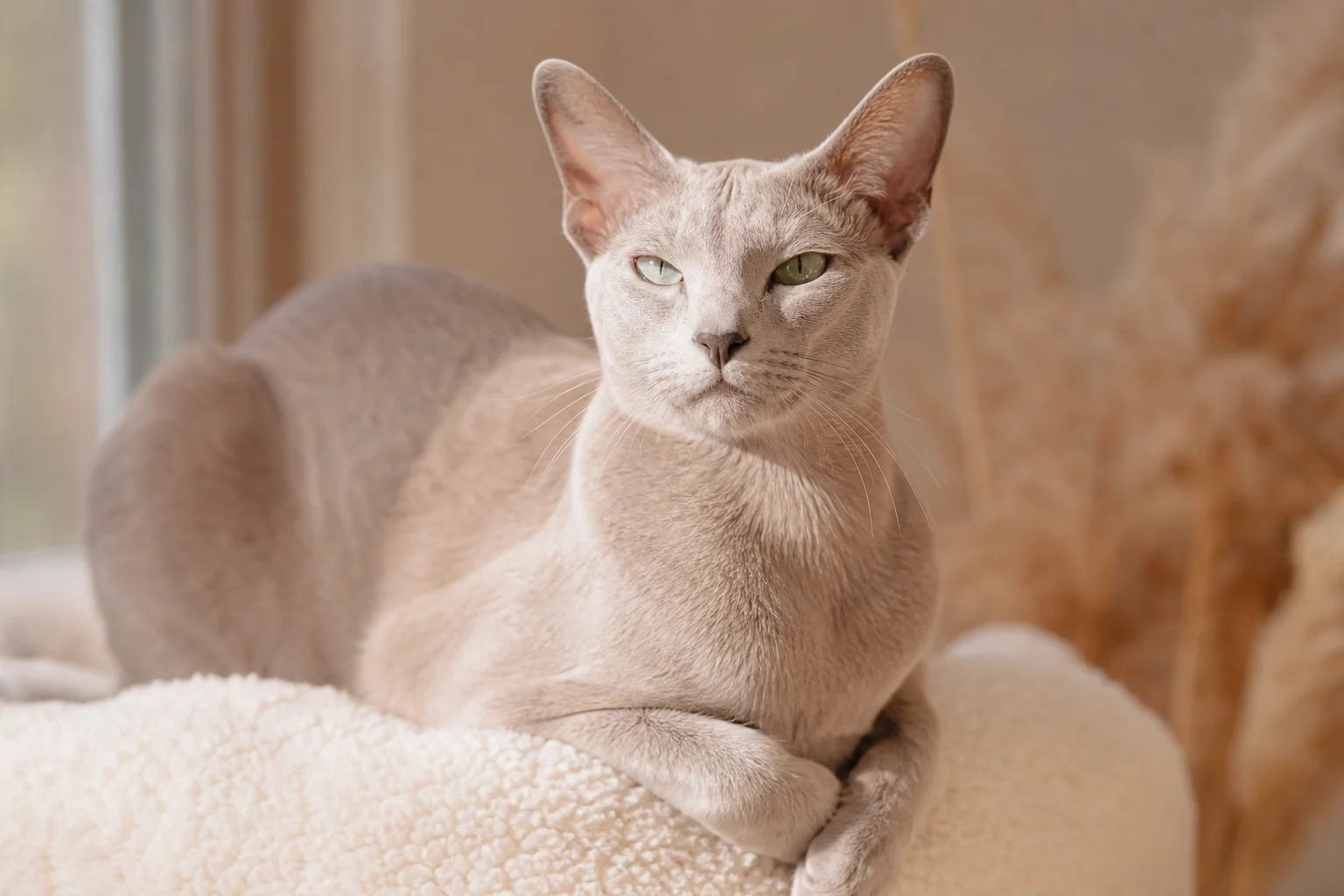
The Burmese in every colour — a chatty, warm shorthair family with Burmilla roots and British polish.
| Size | Medium |
|---|---|
| Weight | 4–6 kg |
| Life expectancy | 12–16 years |
| Origin | United Kingdom |
| Type | Pedigree breed |
| Grooming | low |
| Activity needs | high |
| Beginner friendly | well suited |
Temperament & suitability
Editorial assessment based on the FIFe breed standard and breed association data.
Guideline for movement & enrichment for this breed.
Traits
Origin & history
The Asian group grew from the Burmilla's famous 1981 accident: the Burmese-Chinchilla cross opened a door, and British breeders walked through it systematically — Burmese type in every colour and pattern the Burmese standard excludes. The family covers the self-coloured Asians (including the black Bombay, UK-style), tabbies, smokes and the semi-long Tiffanie, all sharing one blueprint: Burmese body and warmth in extended wardrobe.
Appearance & size
A compact, surprisingly weighty four-to-six-kilogram cat of Burmese build — muscular, rounded chest, expressive golden to green eyes — in a glossy short coat across solids, tabbies, smokes and silver shades. The look is "Burmese, but in your favourite colour", which is precisely the breeding programme's point.
Personality & temperament
Burmese software runs throughout: the Asian is people-near, chatty in soft rusty tones, playful into age and convinced that household life is a team sport. It greets, supervises, occupies laps and grieves alone-time — the sociability is inheritance, not accident. British breeding added a fraction more composure than the velcro original.
Indoor or outdoor living
An indoor companion with secured-balcony bonus; trust and charm are street liabilities. Territory means company: a second social cat is the honest answer to work schedules — see keeping several cats.
Enrichment & activity
Daily interactive sessions: fetch, teaser hunts, puzzle feeders, clicker games. Energy is warm mid-range — real play needs with generous lap hours after.
Grooming
A weekly polish keeps the gloss; shedding is light.
Feeding & health
The Burmese heritage sets the checklist: hypokalaemia gene test, lean weight against the diabetes tendency via the food amount calculator, and general heart checks. The colour-opening outcrosses broadened the pool — tested lines are robust.
Costs
Kittens from tested lines cost €700–1,100; the group is rare outside Britain. Running costs are modest — the cat cost calculator totals them.
For beginners, children and other pets
A warm family choice: playful with children, sociable with cats and gentle dogs, beginner-suitable where company is real. Households wanting Burmese warmth in black, silver or tabby find exactly that here.
Similar breeds compared
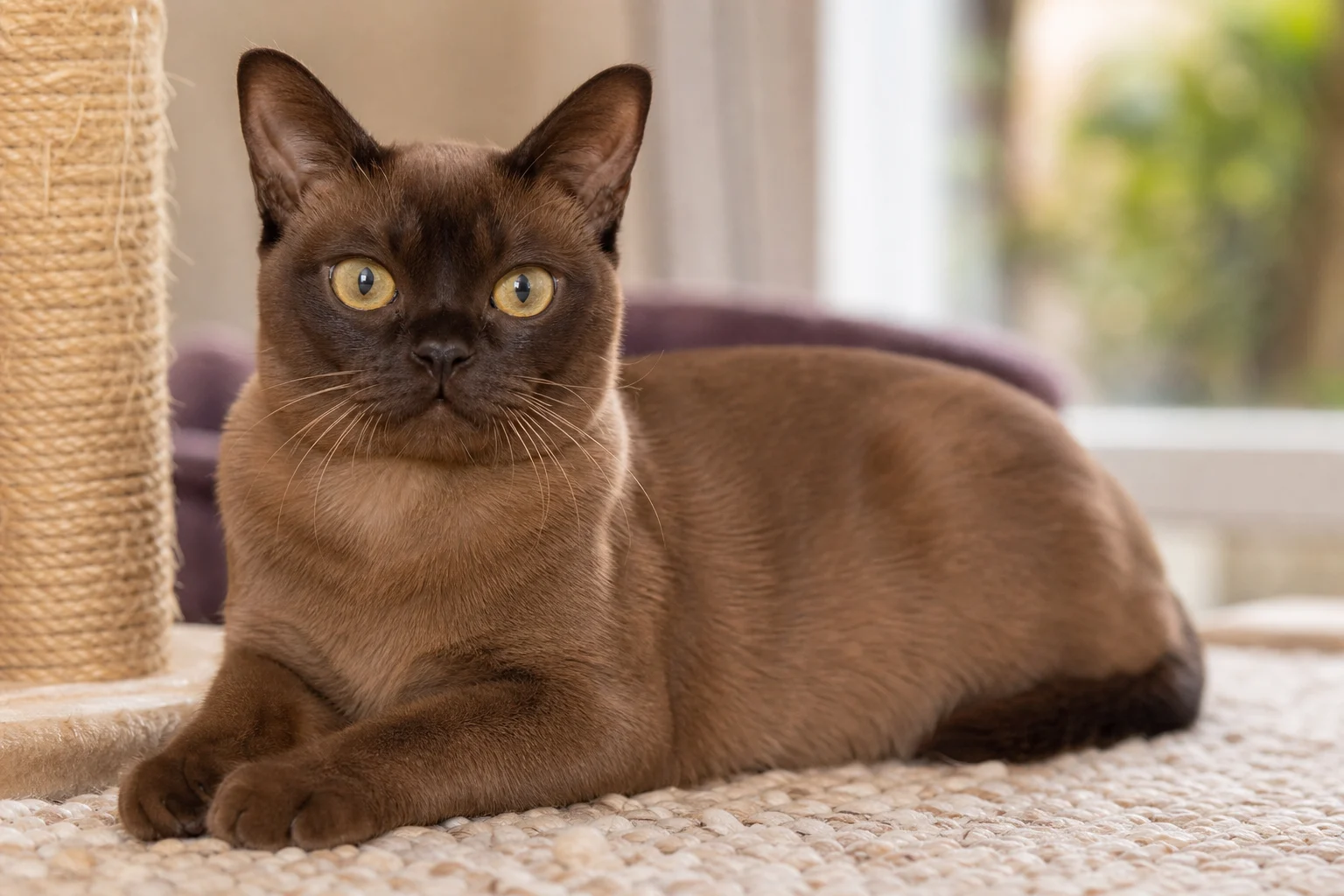
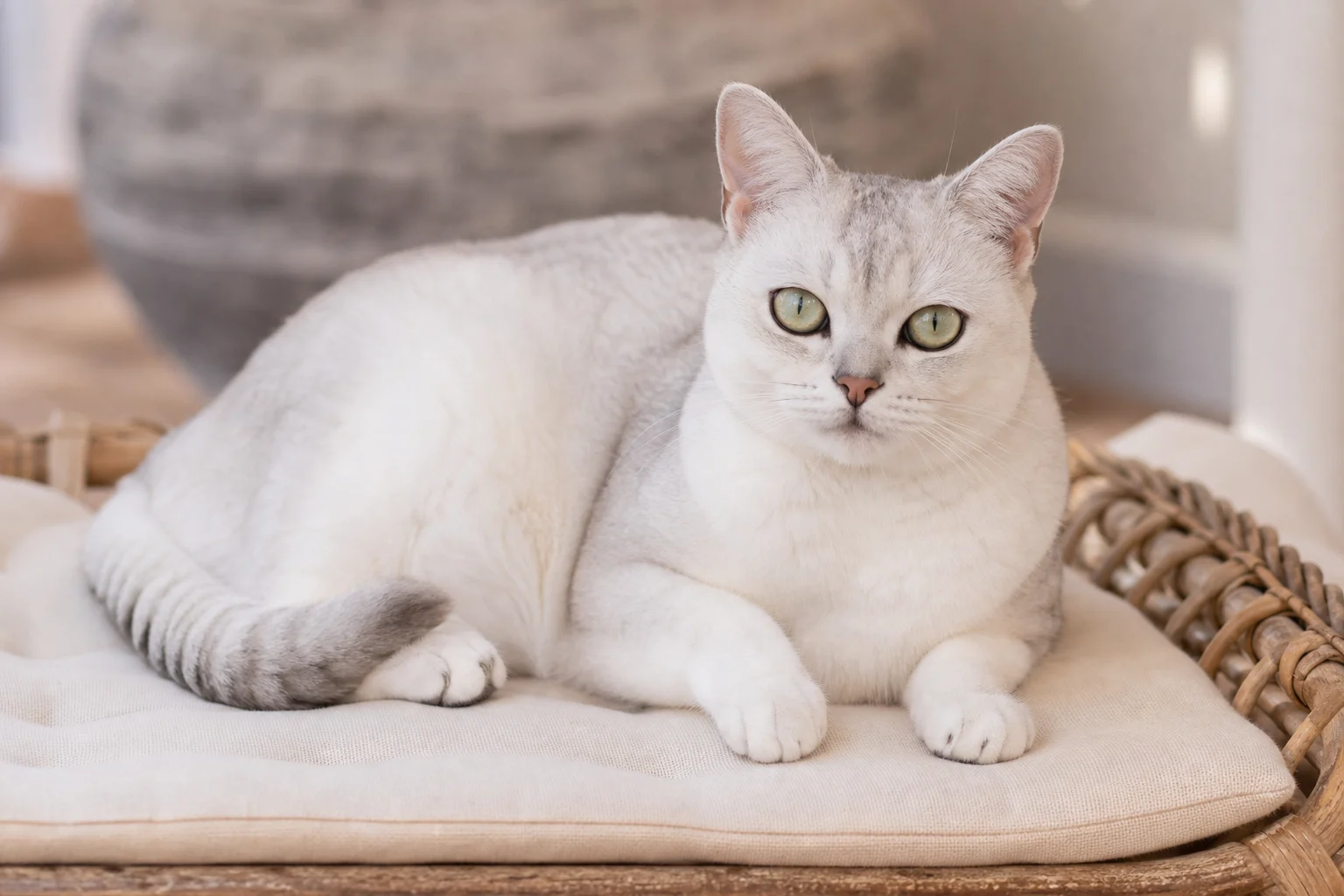
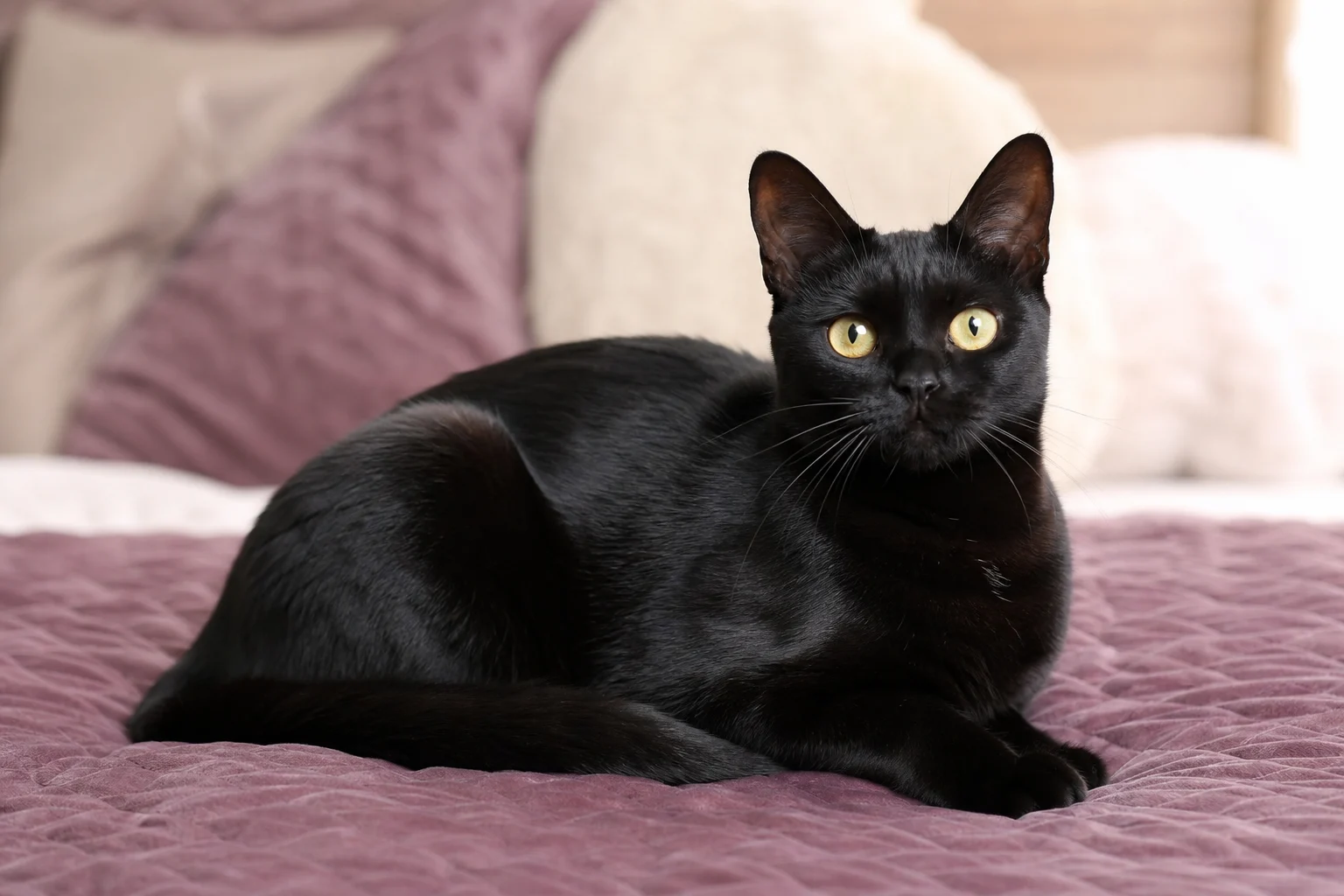
The Burmese is the founding original in sepia; the Burmilla the silver-shaded family star; the Bombay the American parallel of the black Asian.
Who this breed suits
Present households that want Burmese devotion in extended colours. The "Which cat fits me?" test confirms whether your day carries an Asian.
Not sure what a Asian may eat? The food checker rates individual foods on a traffic-light scale, and the food guide explains what cats can eat and what is toxic.
A good fit for you if …
Frequently asked questions
What exactly is an Asian cat?
The Burmese blueprint in every colour and pattern the Burmese standard excludes — solids, tabbies, smokes, silvers — grown from the Burmilla programme.
Is the Asian the same as the Bombay?
The black self Asian is Britain's parallel to the American Bombay — same idea, separate breeding histories.
How chatty are Asians?
Burmese-style: soft, rusty conversation and full household participation.
Which health tests matter?
Hypokalaemia gene test, lean-weight discipline and heart checks — the Burmese-family standards.
Can an Asian stay alone?
Poorly; the sociability is inherited. A second social cat makes work schedules fair.
What is a Tiffanie?
The semi-longhaired member of the Asian group — same warmth in flowing coat.
Similar breeds
Sources: FIFe/TICA breed standard · breed association data · editorial assessment · Last updated 08/2026. On health questions this article never replaces a visit to the vet.