 AI
AIAmerican Curl
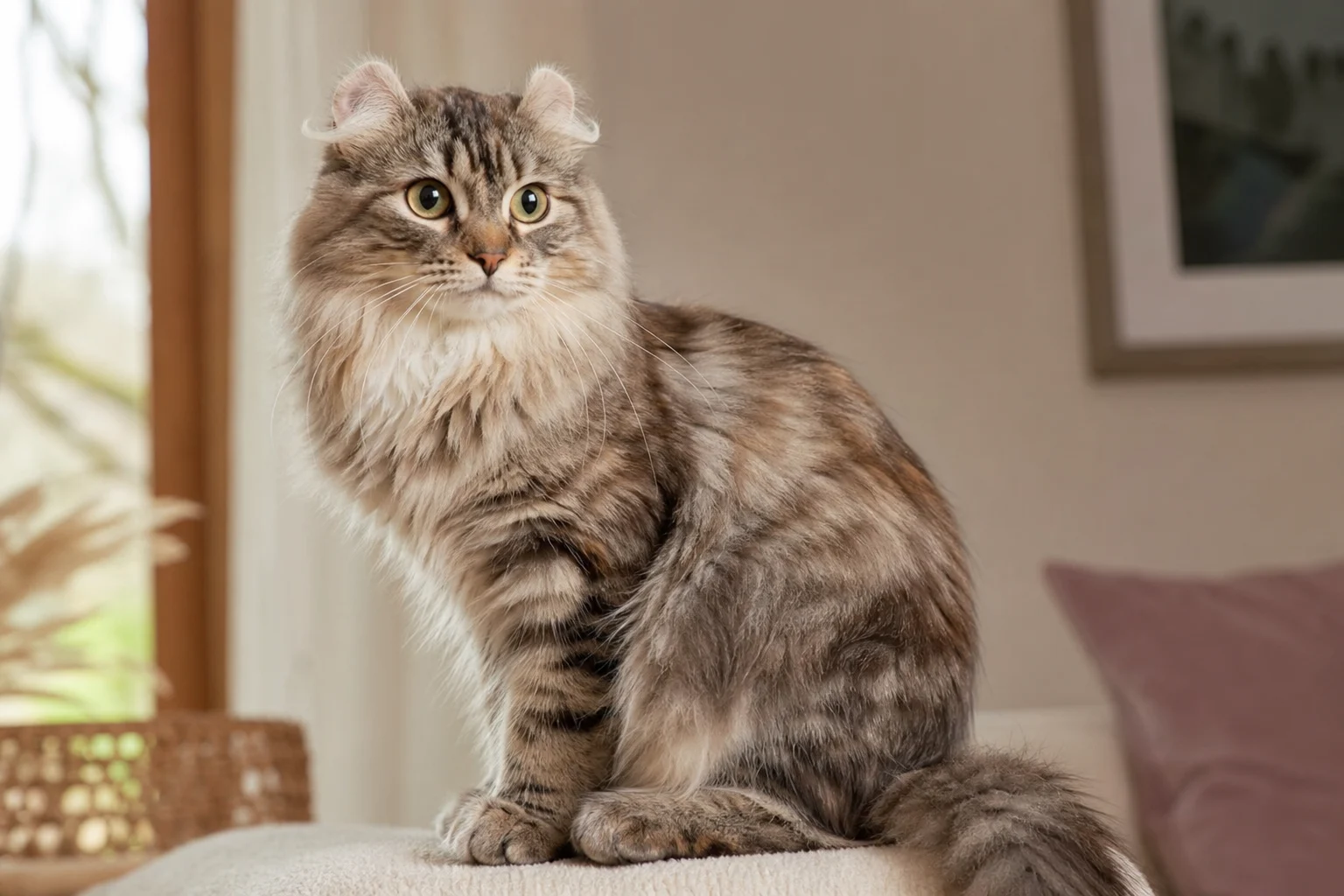
Backwards-curled ears over a kitten heart — a gentle, healthy oddity that never grows up inside.
| Size | Medium |
|---|---|
| Weight | 3–5 kg |
| Life expectancy | 12–16 years |
| Origin | United States |
| Type | Pedigree breed (USA) |
| Grooming | medium |
| Activity needs | high |
| Beginner friendly | well suited |
Temperament & suitability
Editorial assessment based on the FIFe breed standard and breed association data.
Guideline for movement & enrichment for this breed.
Traits
Origin & history
California, 1981: a black longhaired stray with backwards-curling ears adopted the Ruga family, who named her Shulamith — founder of every American Curl alive. The dominant mutation curls the ear cartilage back in an arc within the first week of life; crucially, and unlike the Scottish Fold gene, it affects only the outer ear and carries no known joint or cartilage disease. Geneticists monitored the young breed closely and found it clean — the rare case of a striking mutation without a health bill.
Appearance & size
A moderate, elegant three-to-five-kilogram cat whose crescent ears — curled back 90 to 180 degrees, firm at the base, flexible at rounded tips — give a permanently surprised, cheerful expression. Coats come silky in short and semi-long across all colours; kittens are born straight-eared, with the curl forming in days and setting by four months.
Personality & temperament
The breed's nickname is "Peter Pan of cats", and it fits: Curls keep kitten playfulness and curiosity deep into age, follow their people warmly, pat foreheads at dawn as alarm clocks and stay even-tempered through family bustle. They are affectionate without clinginess, quietly trilling rather than loud, and famously adaptable to children, cats and dogs.
Indoor or outdoor living
Flexible and easy: indoor life with climbing and daily play suits the moderate energy; a secured balcony is a happy bonus. The trusting friendliness belongs behind safety nets. Frame in Indoor cat or outdoor cat?
Enrichment & activity
Daily play sessions and puzzle feeders serve the lifelong kitten; fetch and gentle tricks land well. The energy is merry mid-range — engagement without exhaustion.
Grooming
Easy in both lengths: the silky, low-undercoat coat needs weekly brushing, semi-longs slightly more. The curled ears want gentle handling — never force the cartilage — and routine checks, as the open shape collects dust.
Feeding & health
One of the healthiest mutation breeds: no known cartilage or joint issues from the ear gene, and the broad founding base (straight-eared outcrosses remain standard) keeps the pool wide. General heart checks are the standard breeder question. Portion via the food amount calculator.
Costs
Kittens from documented lines cost €900–1,400 — the breed is rare in Europe. Running costs are ordinary; the cat cost calculator totals them.
For beginners, children and other pets
A thoroughly family-proof choice: patient with children, sociable with cats and dogs, beginner-forgiving and drama-free. Straight-eared littermates share everything but the crescent — and make wonderful cats at friendlier prices.
Similar breeds compared
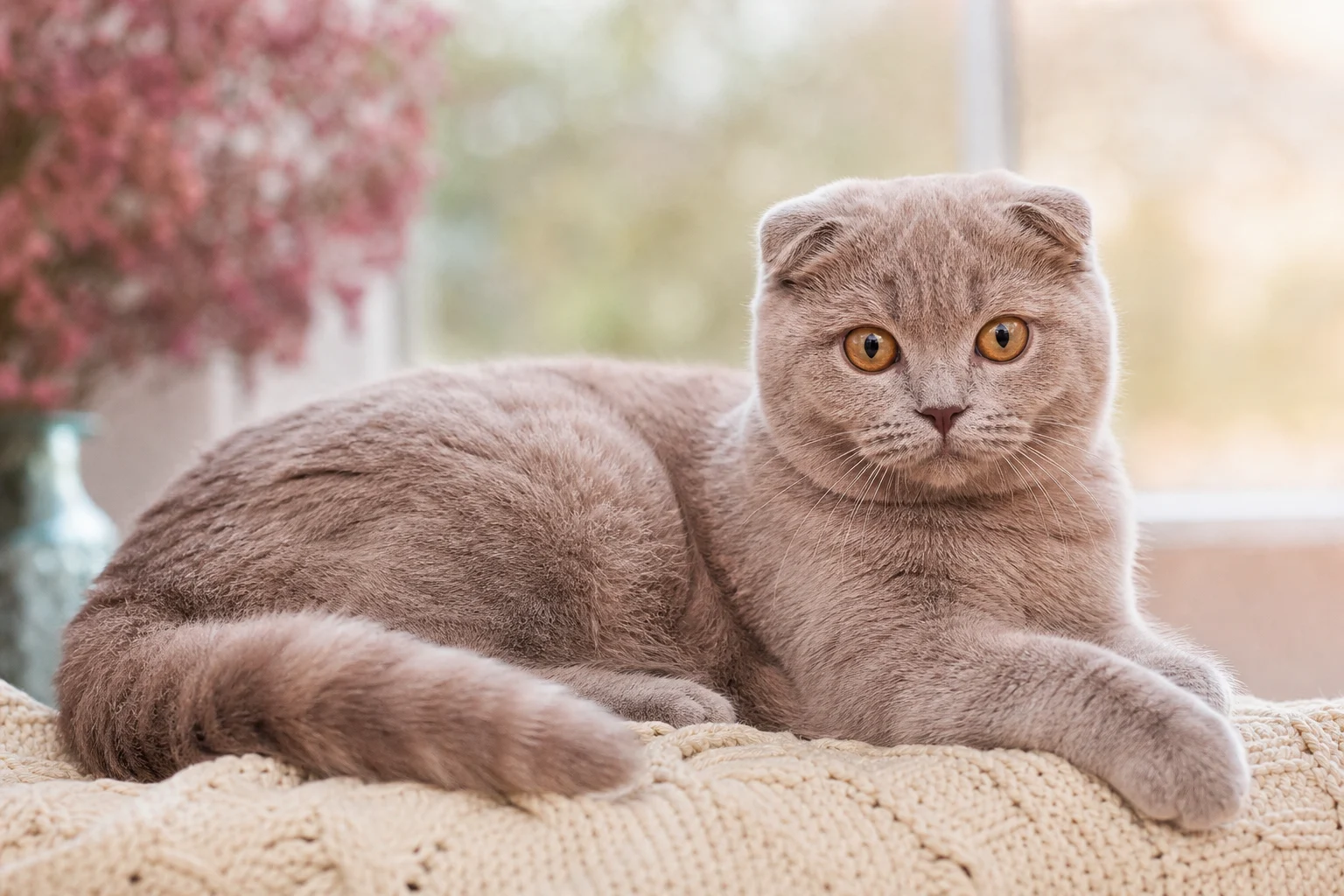
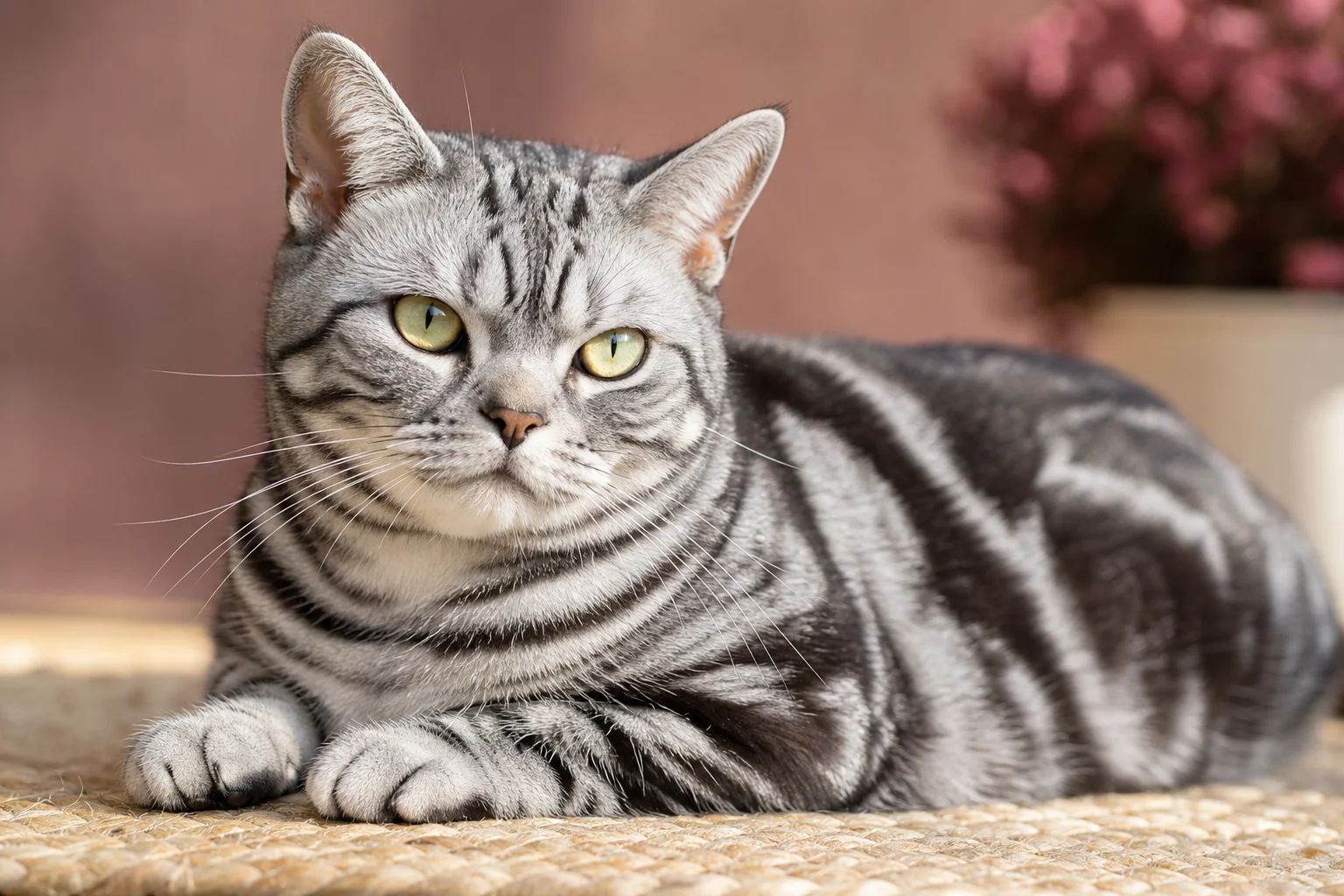
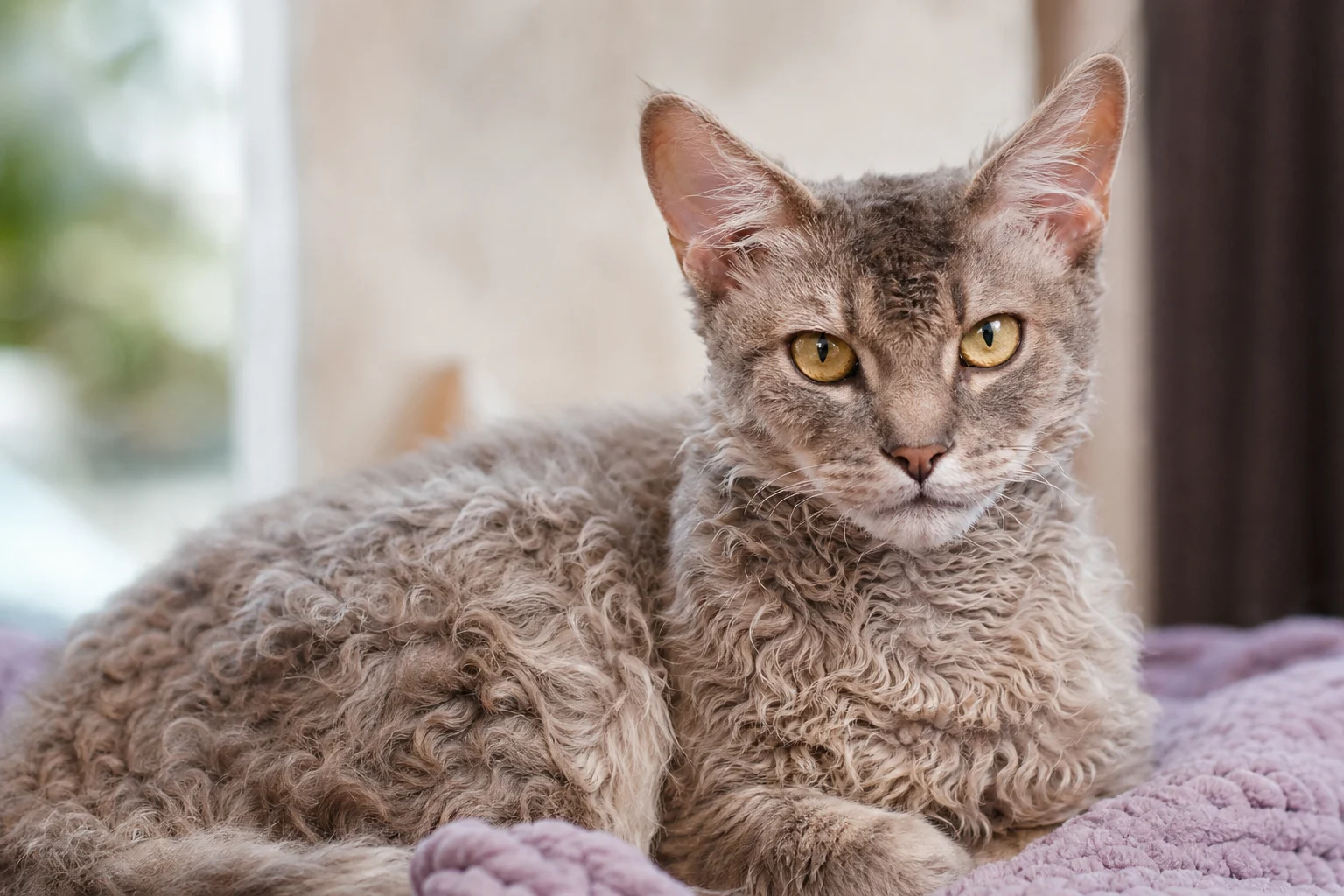
The Scottish Fold folds forward — with the cartilage disease the Curl was spared; the American Shorthair offers the sturdy US-domestic base straight-eared; the LaPerm matches the healthy-oddity niche in curls.
Who this breed suits
Families and first-timers who want a striking look without a health mortgage. The "Which cat fits me?" test confirms the easy fit.
Not sure what a American Curl may eat? The food checker rates individual foods on a traffic-light scale, and the food guide explains what cats can eat and what is toxic.
A good fit for you if …
Frequently asked questions
Is the ear curl harmful like the Scottish Fold gene?
No — the Curl mutation affects only the outer ear cartilage and carries no known joint disease. Geneticists monitored the breed early and found it clean.
When do the ears curl?
Kittens are born straight-eared; the arc forms within days and sets by about four months, anywhere from 90 to 180 degrees.
May I touch the curled ears?
Gently, yes — but never force or bend the firm cartilage. Routine checks matter, as the open shape collects dust.
What about straight-eared littermates?
Every litter has them; they share health and temperament and make wonderful, often more affordable companions.
Why 'Peter Pan of cats'?
The breed keeps kitten playfulness and curiosity deep into age — growing up is optional.
How healthy is the breed overall?
Notably: broad outcross base, no breed-typical diseases. General heart checks remain the standard question.
Similar breeds
Sources: FIFe/TICA breed standard · breed association data · editorial assessment · Last updated 08/2026. On health questions this article never replaces a visit to the vet.