 AI
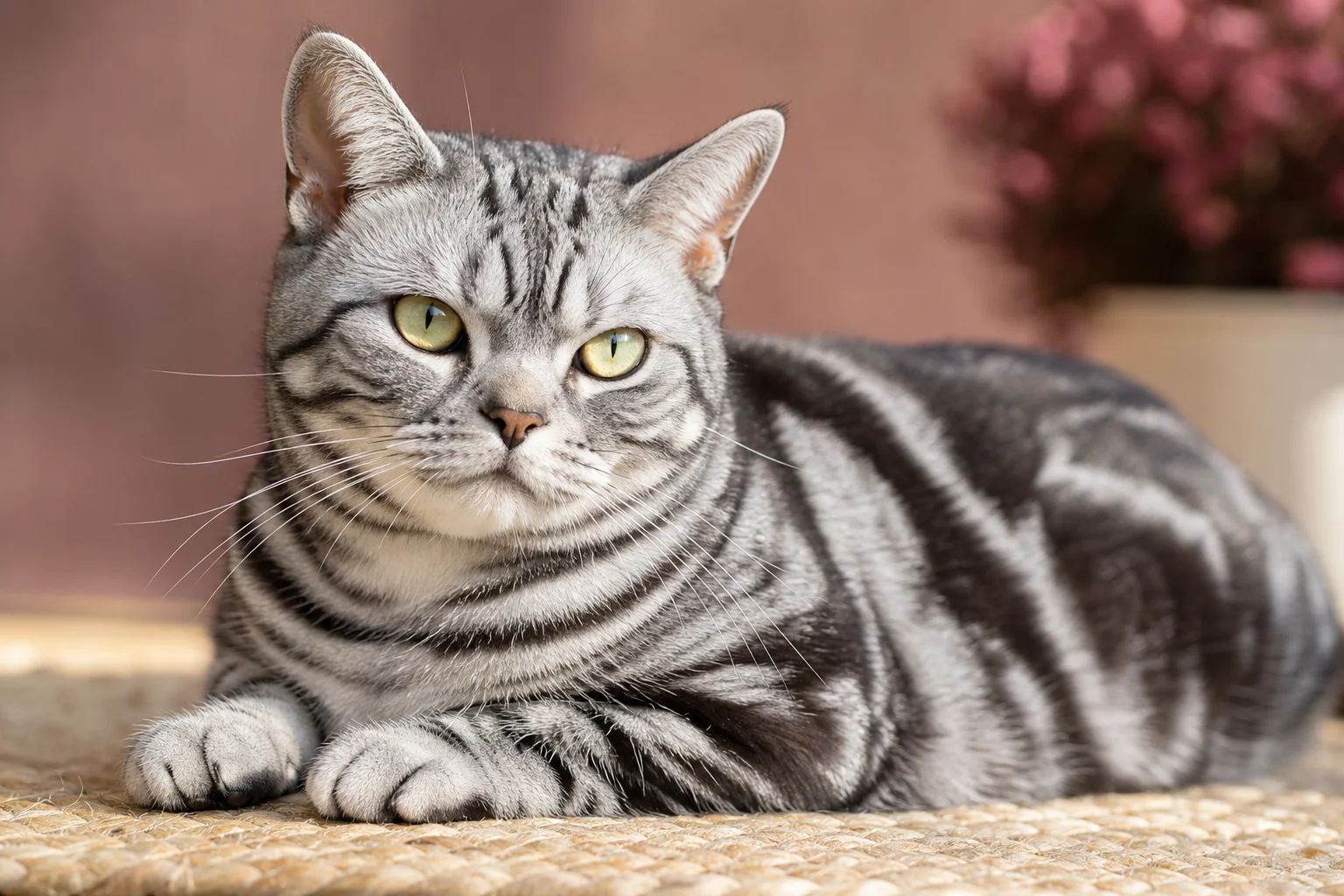
AIAmerican Shorthair
America's levelheaded working cat — healthy, patient and pleasantly self-sufficient for two decades.
| Size | Large |
|---|---|
| Weight | 4–7 kg |
| Life expectancy | 15–20 years |
| Origin | United States |
| Type | Natural breed (USA) |
| Grooming | low |
| Activity needs | high |
| Beginner friendly | well suited |
Temperament & suitability
Editorial assessment based on the FIFe breed standard and breed association data.
Guideline for movement & enrichment for this breed.
Traits
Origin & history
The ancestors crossed on the Mayflower as working mousers and spent three centuries earning their keep on farms and in warehouses; organised breeding began around 1900 to preserve the sturdy native type against imported fashions. Renamed from "Domestic" to "American Shorthair" in 1966, the breed remains what it always was: the standardised, health-tested version of America's foundation cat — with the silver classic tabby as its show-ring icon.
Appearance & size
A powerfully built four-to-seven-kilogram working frame: broad chest, strong jaws, medium legs — everything functional, nothing extreme. The dense, hard-textured coat weathered barn winters and comes in over eighty colour-pattern combinations; the black-on-silver classic tabby with its bullseye swirls is the breed's postcard. Life expectancy is a quiet sensation: fifteen to twenty years.
Personality & temperament
Bred by work, not whim, the ASH is even-tempered pragmatism: friendly without clinging, playful without frenzy, patient with children and unbothered by dogs. It appreciates laps on its own schedule, handles alone-time better than most breeds and keeps the mouser reflexes sharp under the calm. An easy, adult companion — the golden mean made cat.
Indoor or outdoor living
Flexible: content indoors with normal play and climbing, capable and street-smart outdoors where secured access exists. The robust all-rounder adapts to the household rather than demanding one. Frame in Indoor cat or outdoor cat?
Enrichment & activity
Daily hunt-style play keeps the working heritage happy and the sturdy frame lean; puzzle feeders suit the practical intelligence. The breed entertains itself reasonably — a virtue for working households, a temptation to under-engage that costs weight.
Grooming
Weekly brushing for the dense coat, more in moult. The hard texture repels mats naturally.
Feeding & health
Exceptionally healthy — the wide working-stock base avoided hereditary bottlenecks; HCM checks remain the standard breeder question. The real topic is weight: the sturdy build hides gain well, so portion via the food amount calculator and weigh regularly.
Costs
Kittens from tested lines cost €700–1,100 — in Europe rarer than its virtues deserve. Running costs are the baseline case of the cat cost calculator, stretched across two decades.
For beginners, children and other pets
A textbook family and beginner cat: patient, robust, dog-friendly, cat-sociable and forgiving. Households wanting an uncomplicated companion for the long haul rarely choose better.
Similar breeds compared
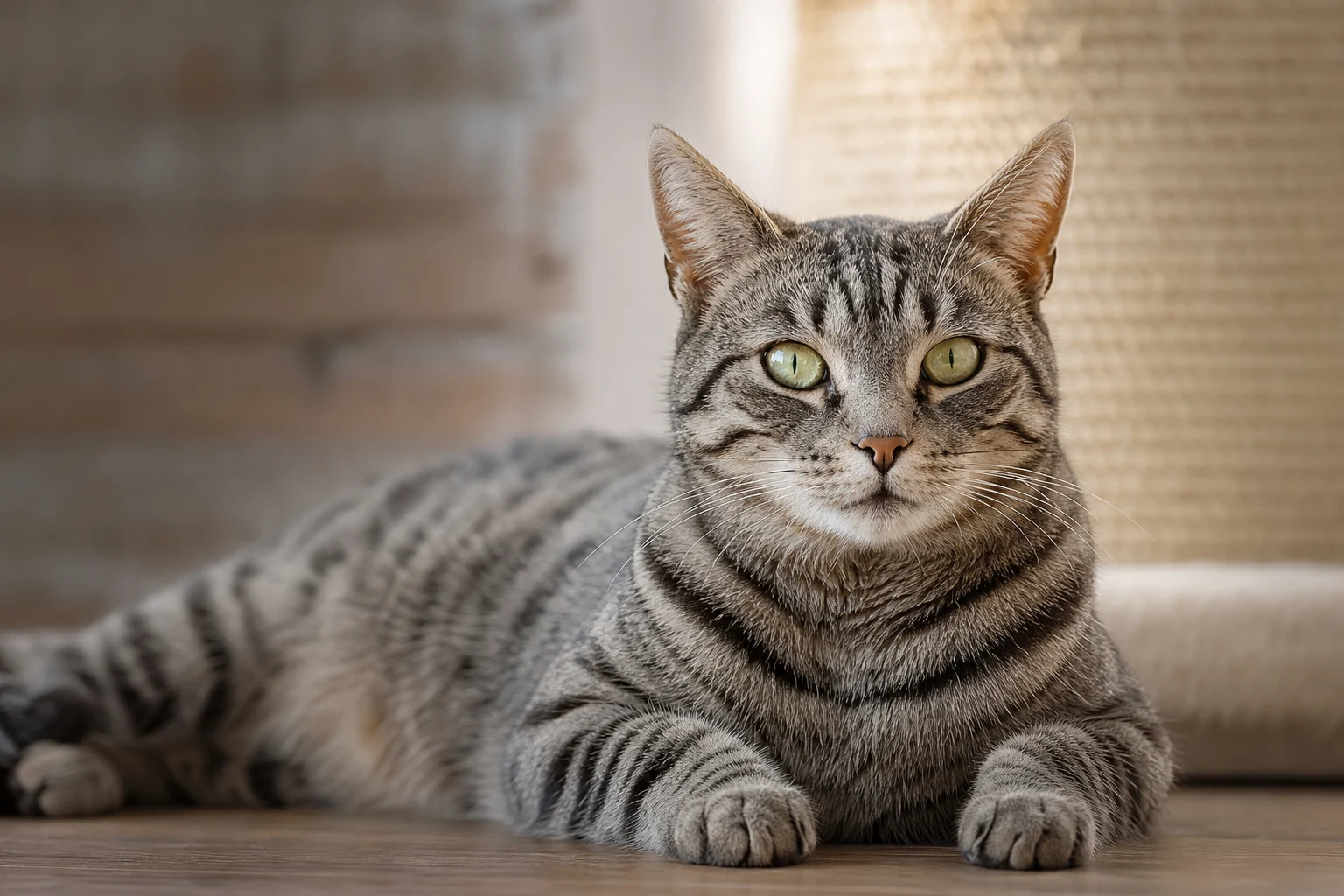
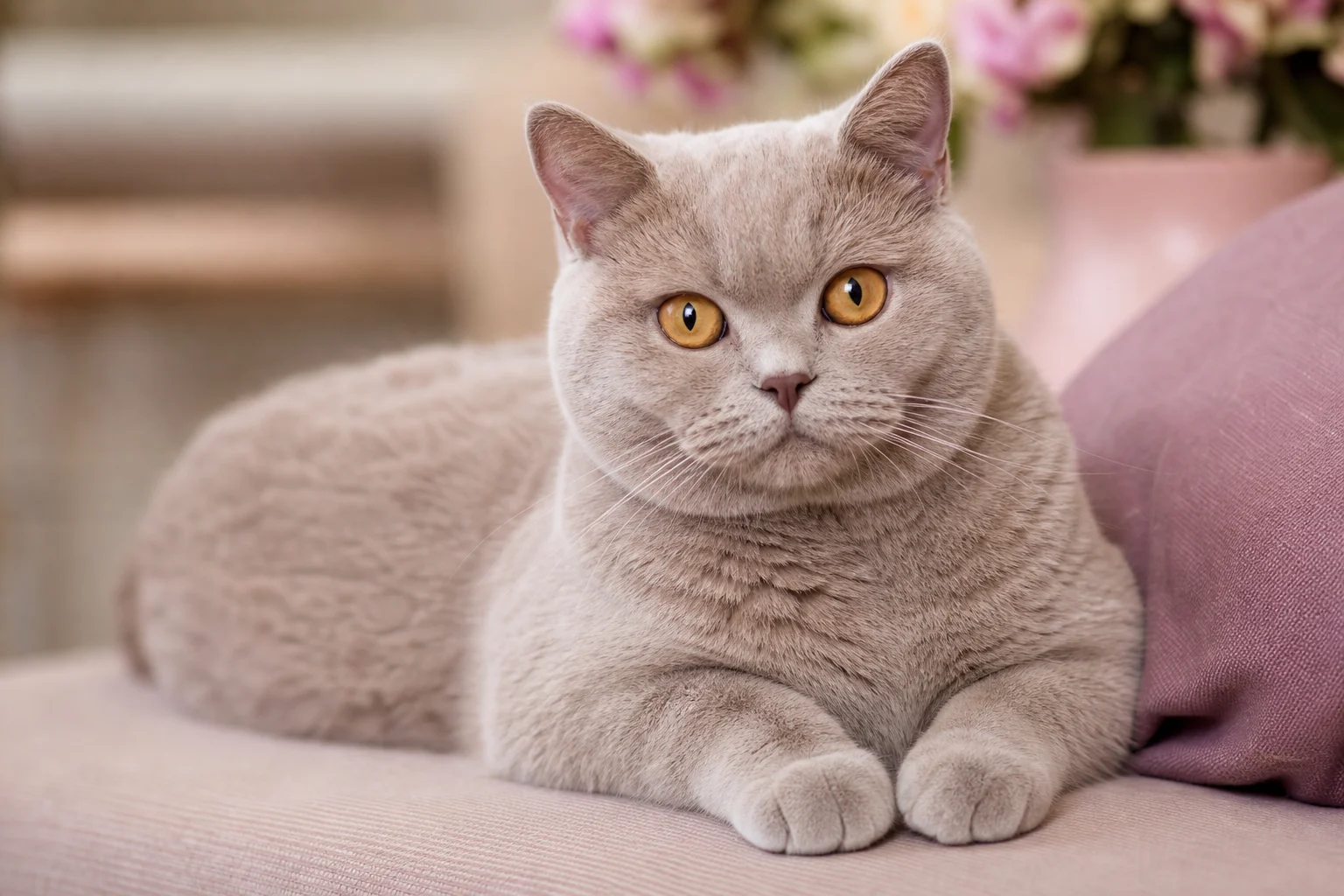
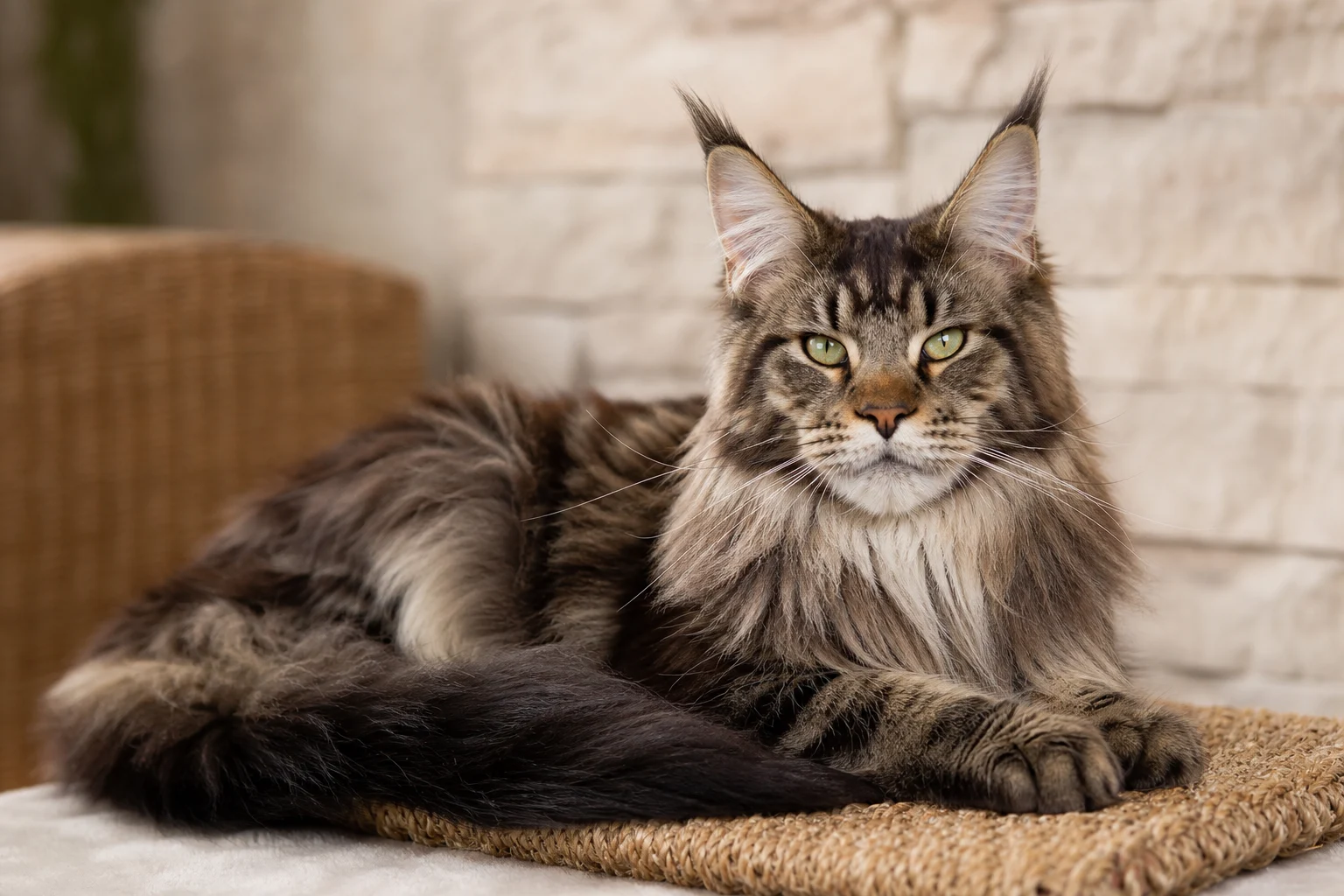
The European Shorthair is the continental twin; the British Shorthair adds plush and phlegm; the Maine Coon scales the American farm-cat idea to giant size.
Who this breed suits
Families, beginners and working households seeking a healthy, even-keeled companion for twenty years. The "Which cat fits me?" test confirms the broad fit.
Not sure what a American Shorthair may eat? The food checker rates individual foods on a traffic-light scale, and the food guide explains what cats can eat and what is toxic.
A good fit for you if …
Frequently asked questions
ASH or European Shorthair?
Transatlantic siblings: both standardised working cats, the American slightly larger and broader. Choice is geography and cattery access.
How healthy is the breed?
Notably: the wide working base avoided hereditary bottlenecks, and 15–20 years are normal. HCM checks remain the standard question.
Are ASH good with dogs?
Famously relaxed — centuries of barn coexistence show. Respectful dogs integrate easily.
Can an ASH stay alone during work?
Better than most: the self-sufficient streak handles reasonable absences, with play and attention in the evenings.
What is the classic silver tabby?
The breed's icon: black bullseye swirls on silver ground — the pattern most people picture at 'American Shorthair'.
How much grooming is needed?
Weekly brushing; the hard-textured working coat resists mats naturally.
Similar breeds
Sources: FIFe/TICA breed standard · breed association data · editorial assessment · Last updated 08/2026. On health questions this article never replaces a visit to the vet.