 AI
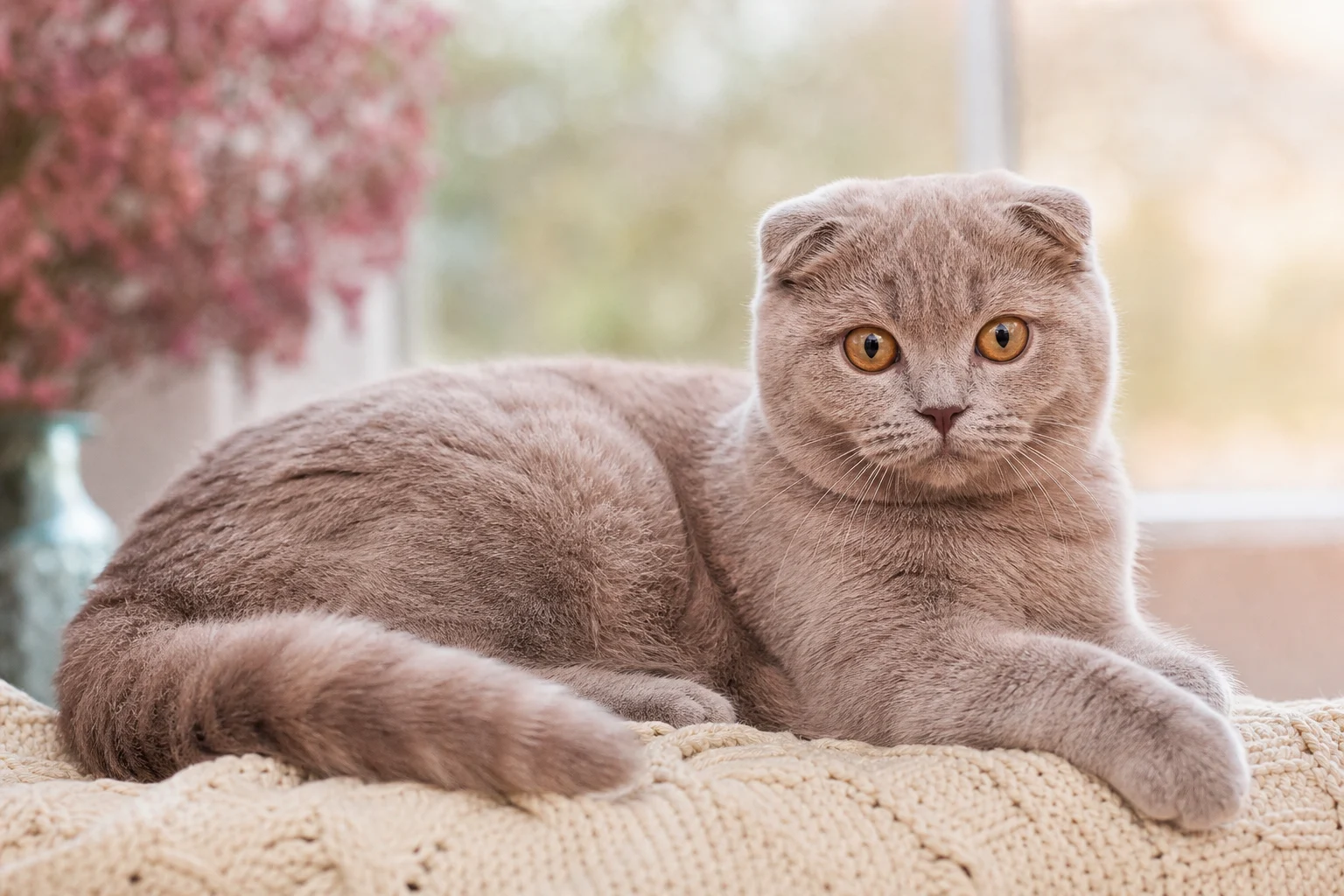
AIScottish Fold
Sweet-faced and gentle — but the folded ears come from a cartilage defect every buyer must understand.
| Size | Medium |
|---|---|
| Weight | 3–6 kg |
| Life expectancy | 11–14 years |
| Origin | United Kingdom |
| Type | Pedigree breed (Scotland) |
| Grooming | medium |
| Activity needs | medium |
| Beginner friendly | well suited |
Temperament & suitability
Editorial assessment based on the FIFe breed standard and breed association data.
Guideline for movement & enrichment for this breed.
Traits
Origin & history
Every Scottish Fold descends from Susie, a barn cat with folded ears found in Scotland in 1961. The fold comes from a dominant mutation in a cartilage gene (osteochondrodysplasia, OCD) — and that is the breed's unresolved problem: the same defective cartilage that folds the ears also builds joints. British registries stopped recognising the breed decades ago for welfare reasons; in Germany, breeding fold-to-fold falls under the animal-welfare ban on harmful breeding ("Qualzucht"), and several countries restrict the breed entirely. We describe the Fold honestly because people search for it — not as a recommendation.
Appearance & size
A round, softly padded cat of three to six kilograms with large eyes and the famous owl look; the coat comes short or semi-long in many colours. Kittens are born with straight ears; the fold appears — or does not — around three weeks. Straight-eared littermates ("Scottish Straights") carry the looks without the fold gene.
Personality & temperament
Character is the breed's bright side: Folds are gentle, quiet, people-attached and adaptable, famous for sitting upright like little Buddhas. They attach broadly, play moderately and stress rarely — a temperament close to the British Shorthair that contributed to the line.
Indoor or outdoor living
An indoor cat by temperament and by health: joint problems and outdoor life combine badly. A ground-level, ramp-friendly home with warm resting spots serves an OCD-affected cat best; a secured balcony covers fresh air. The general trade-offs are in Indoor cat or outdoor cat?
Enrichment & activity
Moderate, gentle play — wand games at floor level, food puzzles, no forced jumping. Watch the cat's movement honestly: reluctance to jump, a stiff gait or "sitting odd" are pain signs, not cute quirks, and belong at the vet.
Grooming
Shorthair Folds need weekly brushing, longhair variants a little more. The folded ears demand regular checks and careful cleaning — the fold narrows airflow and wax accumulates faster.
Feeding & health
The core issue: every folded-ear cat carries the OCD mutation. Heterozygous cats can appear healthy but may develop painful cartilage and bone changes — stiff tails, thickened joints, arthritis — from young ages; homozygous cats are reliably and severely affected, which is why fold-to-fold breeding is prohibited. If you already share your life with a Fold: keep the weight strictly lean (the food amount calculator helps), watch mobility, and budget for joint imaging and pain management. HCM and PKD screening applies to the contributing lines as well.
Costs
Purchase prices of €1,000–1,500 are common — and the realistic total must include orthopaedic diagnostics and possible lifelong pain therapy. The cat cost calculator plus a generous vet reserve gives the honest picture.
For beginners, children and other pets
Temperament-wise family-perfect: calm, patient, sociable with cats and gentle dogs. The responsible path for buyers who love the look is a Scottish Straight — same charm, no fold gene — or a British Shorthair. Consider adopting existing Folds from shelters rather than financing new fold breeding.
Similar breeds compared
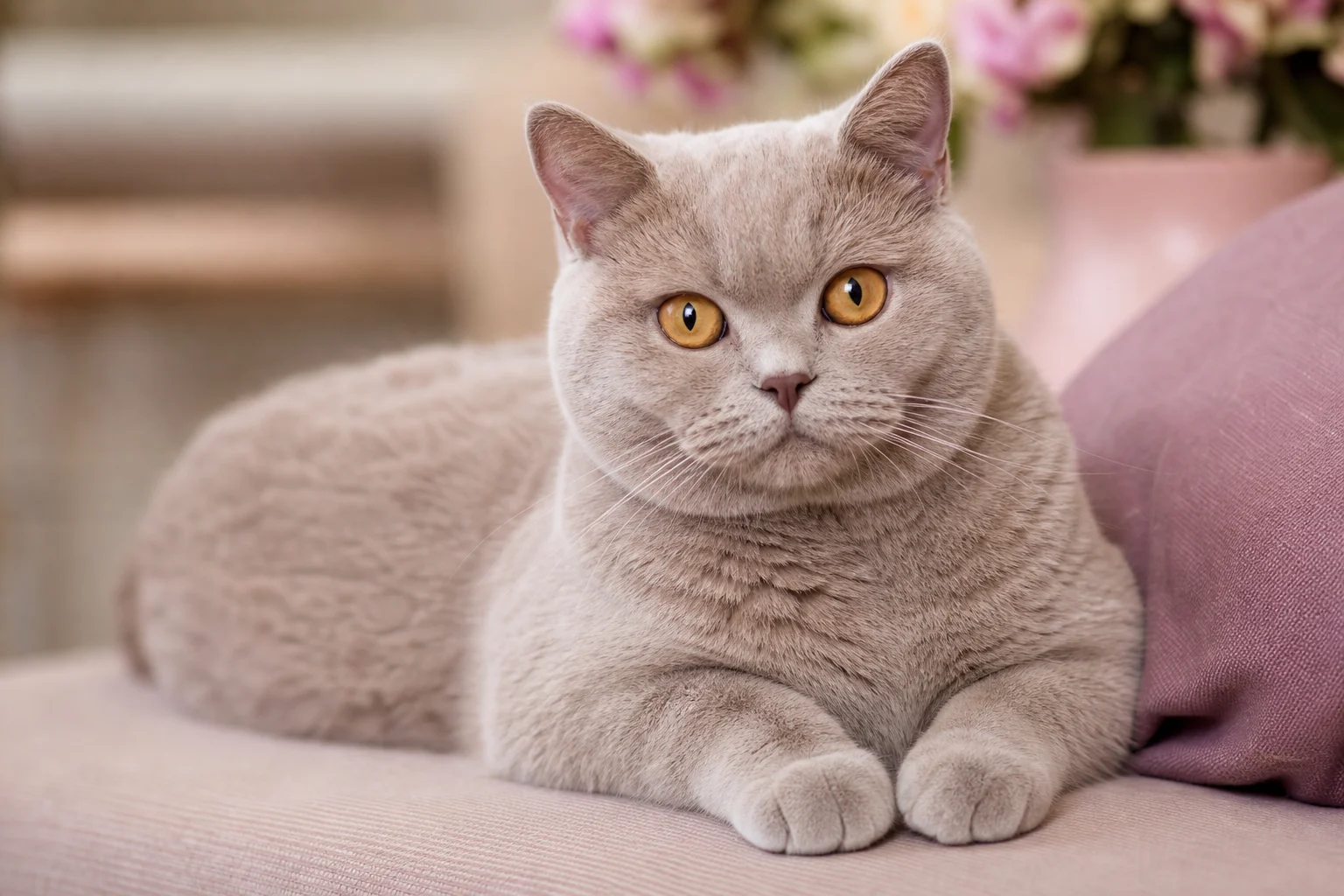
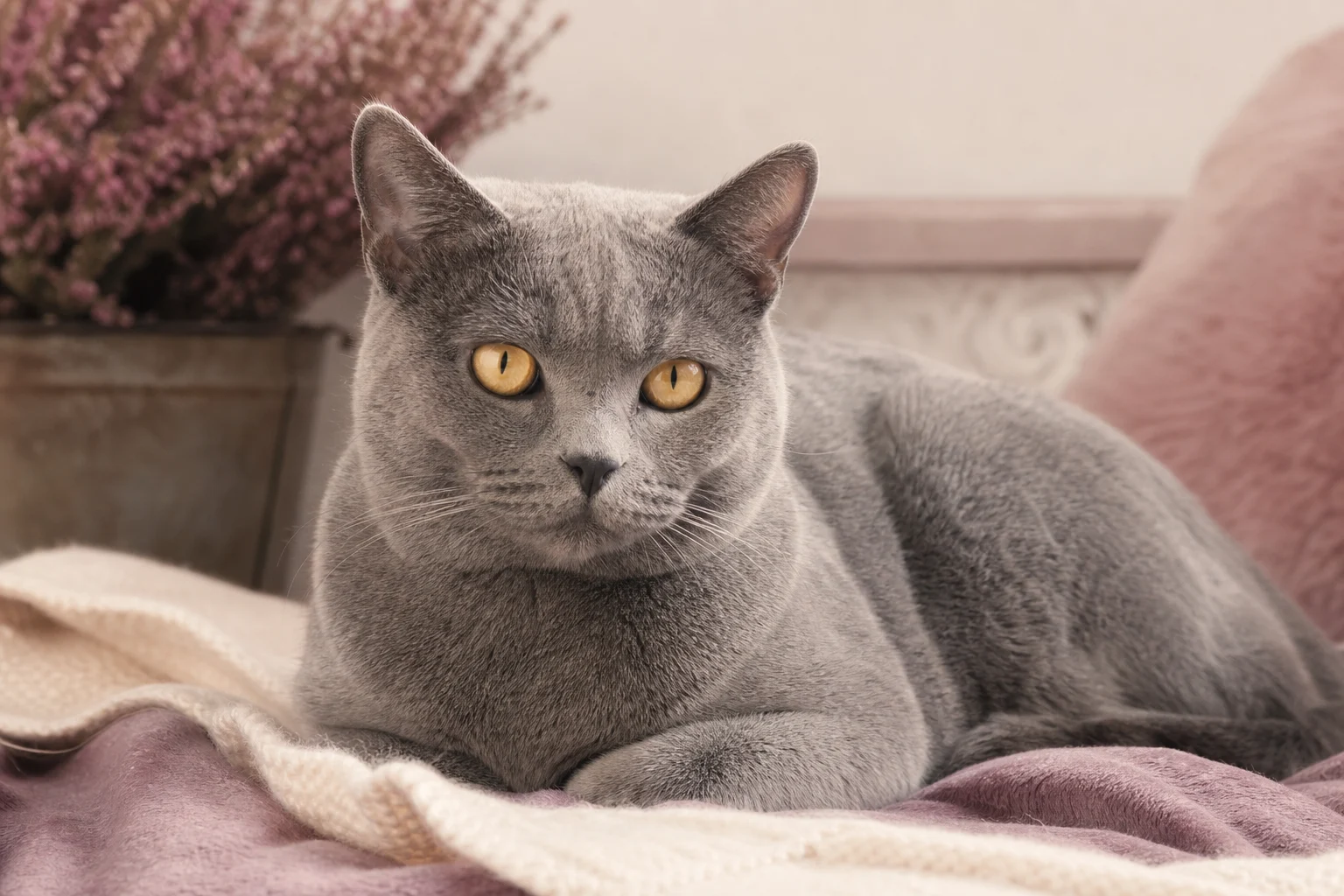
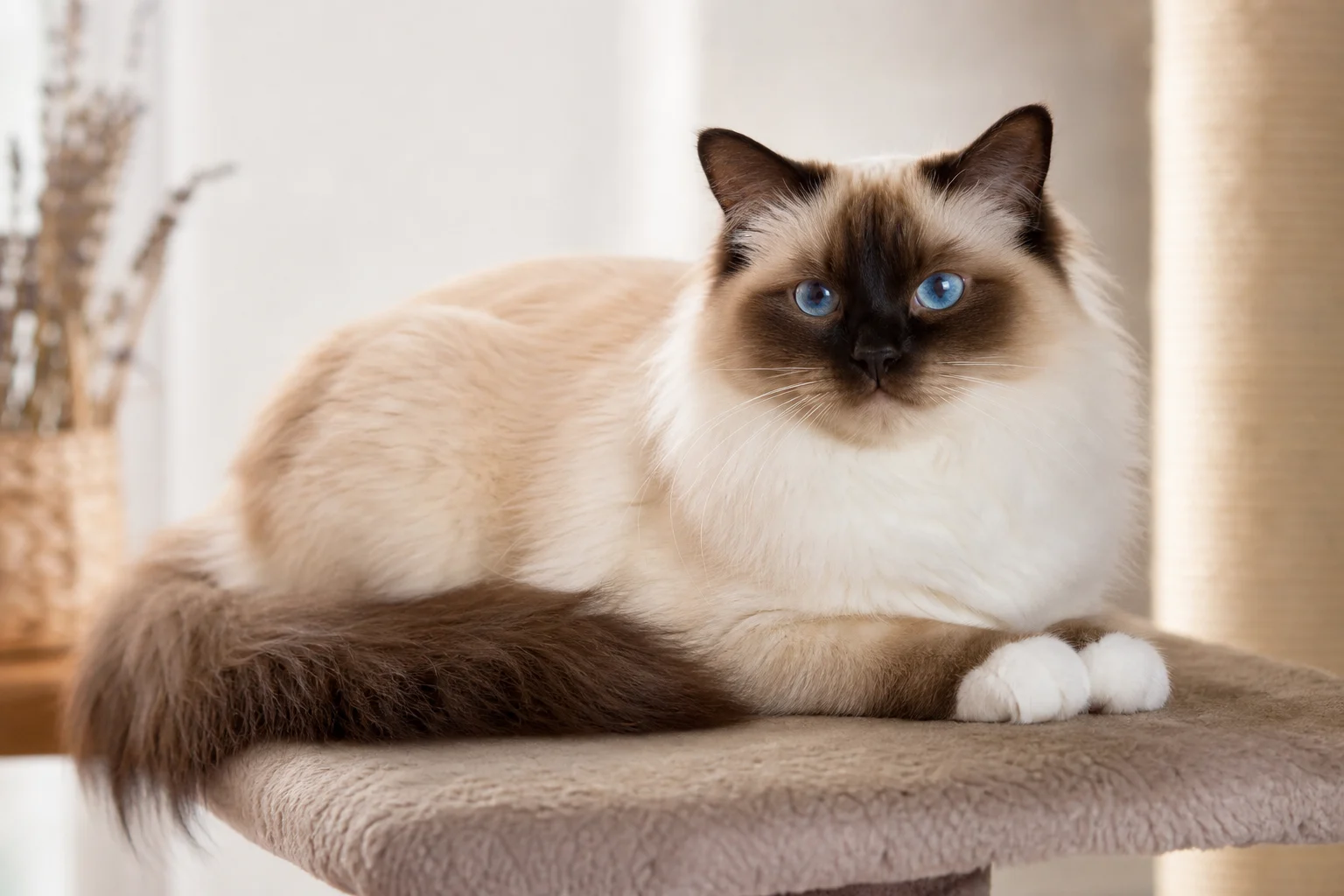
The British Shorthair delivers the round, plush calm without the defect; the Chartreux offers quiet blue elegance; the Birman covers the gentle-family niche with health to spare.
Who this breed suits
Honestly: hardly anyone should buy a folded-ear kitten new. If the temperament attracts you, choose the straight-eared alternatives above — the "Which cat fits me?" test surfaces them. Existing Folds deserve loving, weight-conscious homes with attentive vet care.
Not sure what a Scottish Fold may eat? The food checker rates individual foods on a traffic-light scale, and the food guide explains what cats can eat and what is toxic.
A good fit for you if …
Frequently asked questions
Why are folded ears a health problem?
The fold comes from a cartilage defect (osteochondrodysplasia) that affects all cartilage — including joints. Affected cats can develop painful arthritis from a young age; that is why fold-to-fold breeding is banned as harmful breeding in Germany.
Are all Scottish Folds sick?
Every folded-ear cat carries the mutation. Severity varies — homozygous cats are severely affected, heterozygous ones may seem fine for years but remain at risk. Painless is not guaranteed for any Fold.
What is a Scottish Straight?
The straight-eared littermate without the fold gene: same look apart from the ears, same gentle temperament, none of the cartilage defect. The welfare-sound choice.
How do I recognise joint pain in a Fold?
Reluctance to jump, stiff gait, a thick or inflexible tail, unusual sitting postures, less play. Any of these belongs at the vet — cats hide pain well.
Is the breed banned?
Fold-to-fold breeding falls under Germany's harmful-breeding ban, and several countries restrict the breed. Keeping an existing Fold is legal — financing new breeding is the ethical problem.
Which cat gives me the Fold look without the defect?
Scottish Straight or British Shorthair: the round face, the plush coat, the calm — with intact cartilage.
Similar breeds
Sources: FIFe/TICA breed standard · breed association data · veterinary literature on osteochondrodysplasia · editorial assessment · Last updated 08/2026. On health questions this article never replaces a visit to the vet.