 AI
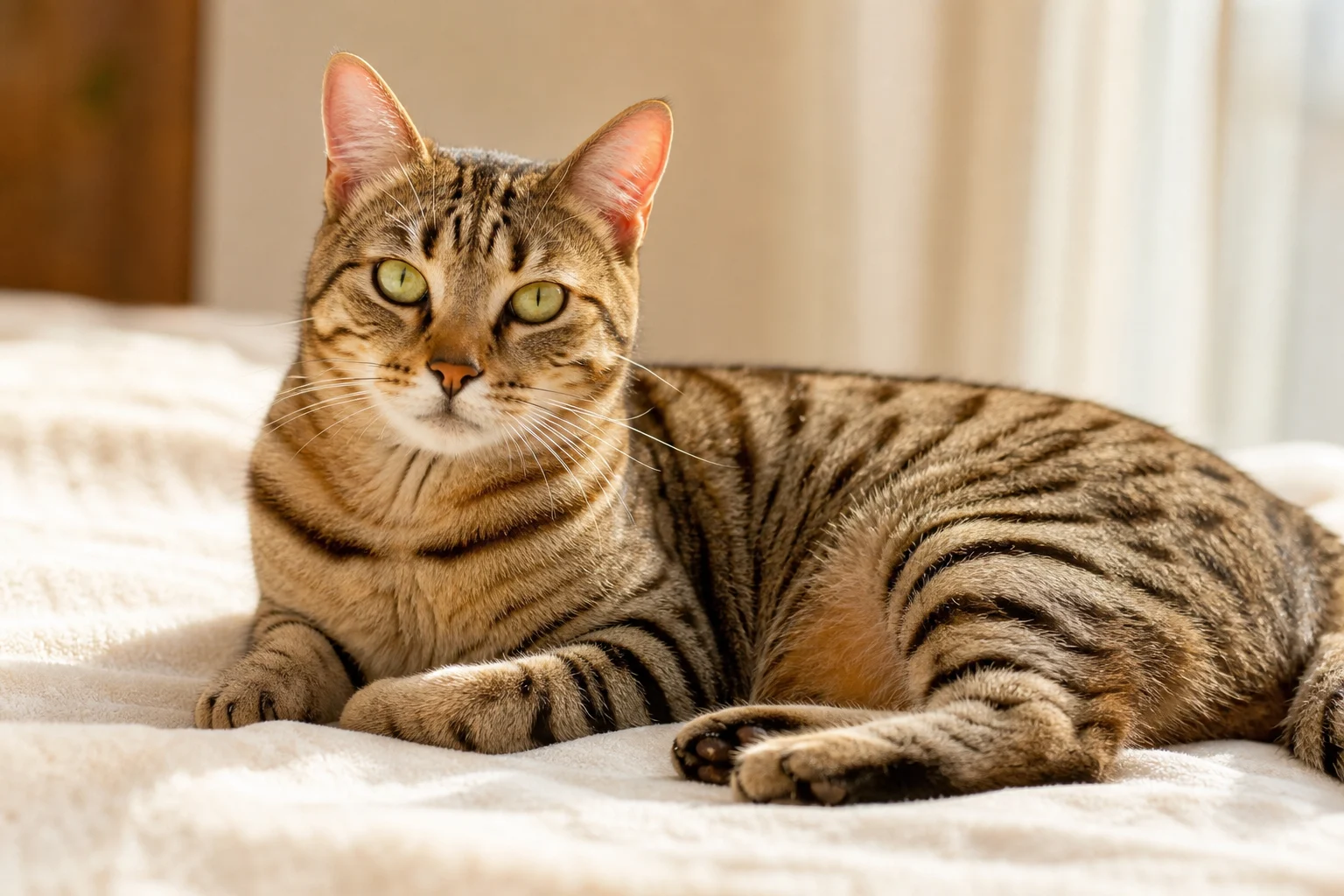
AIBrazilian Shorthair
Brazil's street-smart national cat — sleek, warm and robust, with two decades of health on board.
| Size | Medium |
|---|---|
| Weight | 4–6 kg |
| Life expectancy | 14–20 years |
| Origin | Brazil |
| Type | Natural breed (Brazil) |
| Grooming | low |
| Activity needs | high |
| Beginner friendly | well suited |
Temperament & suitability
Editorial assessment based on the FIFe breed standard and breed association data.
Guideline for movement & enrichment for this breed.
Traits
Origin & history
Brazil's street and harbour cats — descended from Portuguese ships' mousers since the 1500s — became a breed when engineer and cat fancier Paulo Samuel Ruschi argued in the 1980s that the elegant, uniform type deserved recognition: the first Brazilian breed, standardised from the country's own domestic population like the European Shorthair from Europe's. WCF recognised the Pelo Curto Brasileiro in 1998; it remains South America's proud rarity abroad.
Appearance & size
A sleek, elegant four-to-six-kilogram cat — noticeably more svelte than its British counterpart — with expressive large eyes and a short, close-lying coat in every colour and pattern the street ever invented. The look is refined alley cat: agile, glossy, functional. Life expectancy is the quiet sensation: fourteen to twenty years.
Personality & temperament
Generations of plaza life bred a confident socialiser: the Brazilian is people-near, adaptable and lively without extremes — it greets visitors, joins household activity, plays solid daily rounds and settles warmly on evening laps. Street heritage left quick wits and a robust, unshockable core; drama is not in the repertoire.
Indoor or outdoor living
Flexible like its ancestry: content indoors with normal play and climbing, capable in secured outdoor setups. The adaptability is the breed's signature — it arranges itself with the household it finds. Frame in Indoor cat or outdoor cat?
Enrichment & activity
Daily hunt-style play and puzzle feeders keep the street wits sharp; energy is solid mid-range with genuine sofa evenings.
Grooming
A weekly polish suffices; the functional coat organises itself.
Feeding & health
Exceptionally healthy — the broad street base avoided hereditary bottlenecks entirely; general checks are the only standard question. Portion via the food amount calculator: the hearty appetite is the one street habit to manage.
Costs
Kittens cost €600–1,000 where European breeders exist at all — the breed is rare outside Brazil. Running costs are baseline; the cat cost calculator stretches them across two decades.
For beginners, children and other pets
A textbook easy companion: patient with children, sociable with cats and dogs, beginner-forgiving and durable. Functionally it shares the niche of the European and American Shorthairs — the choice is heritage and heart.
Similar breeds compared
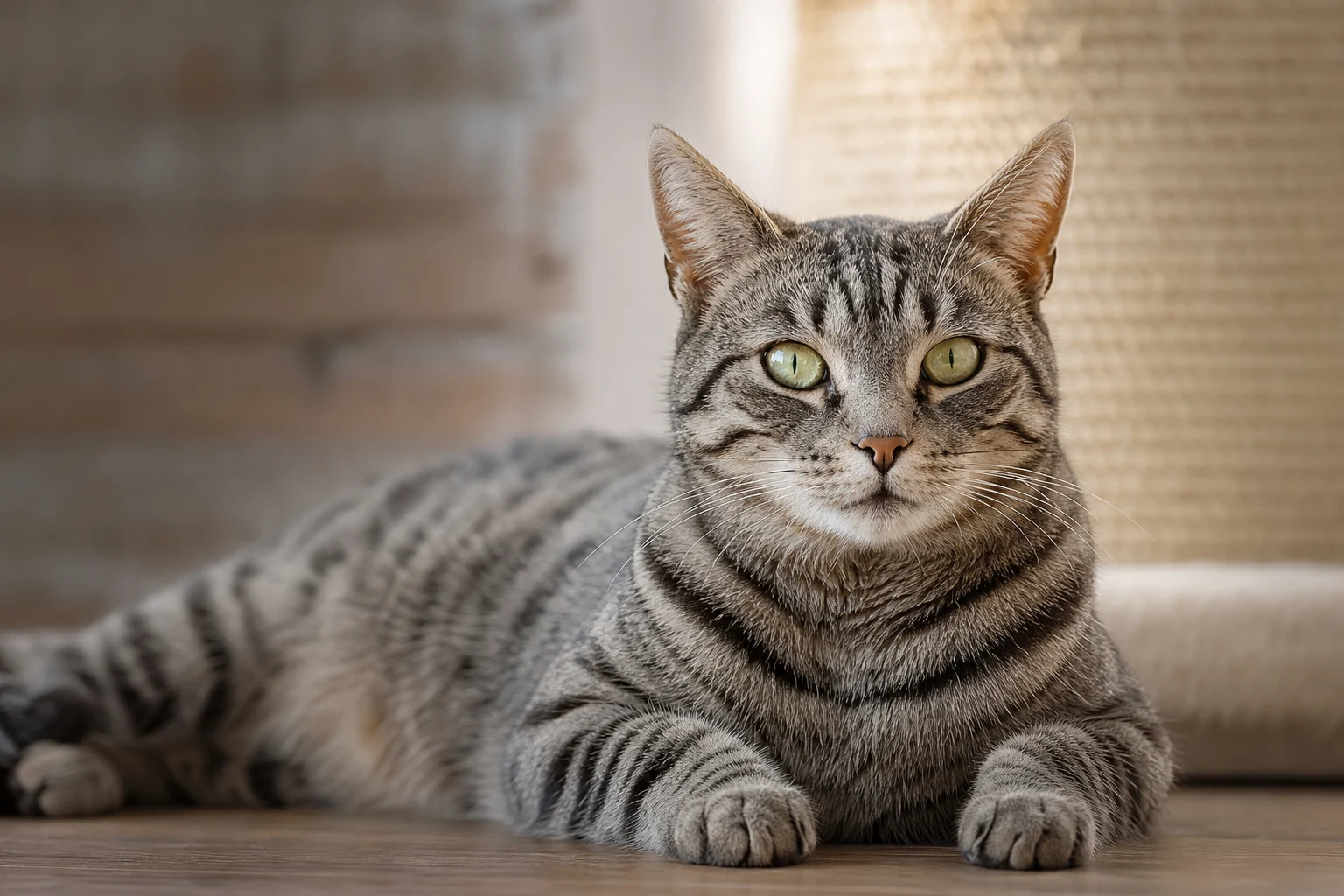
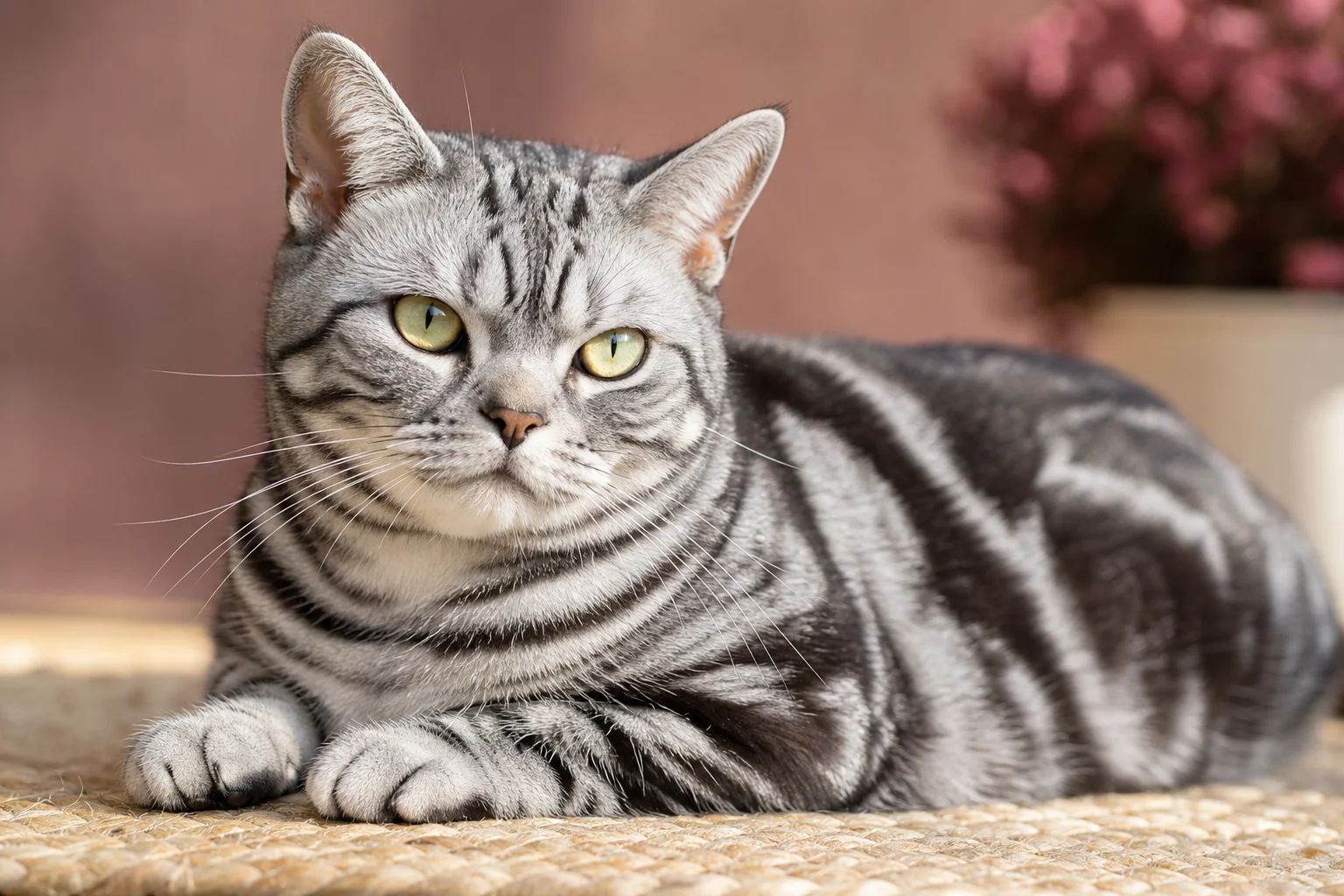
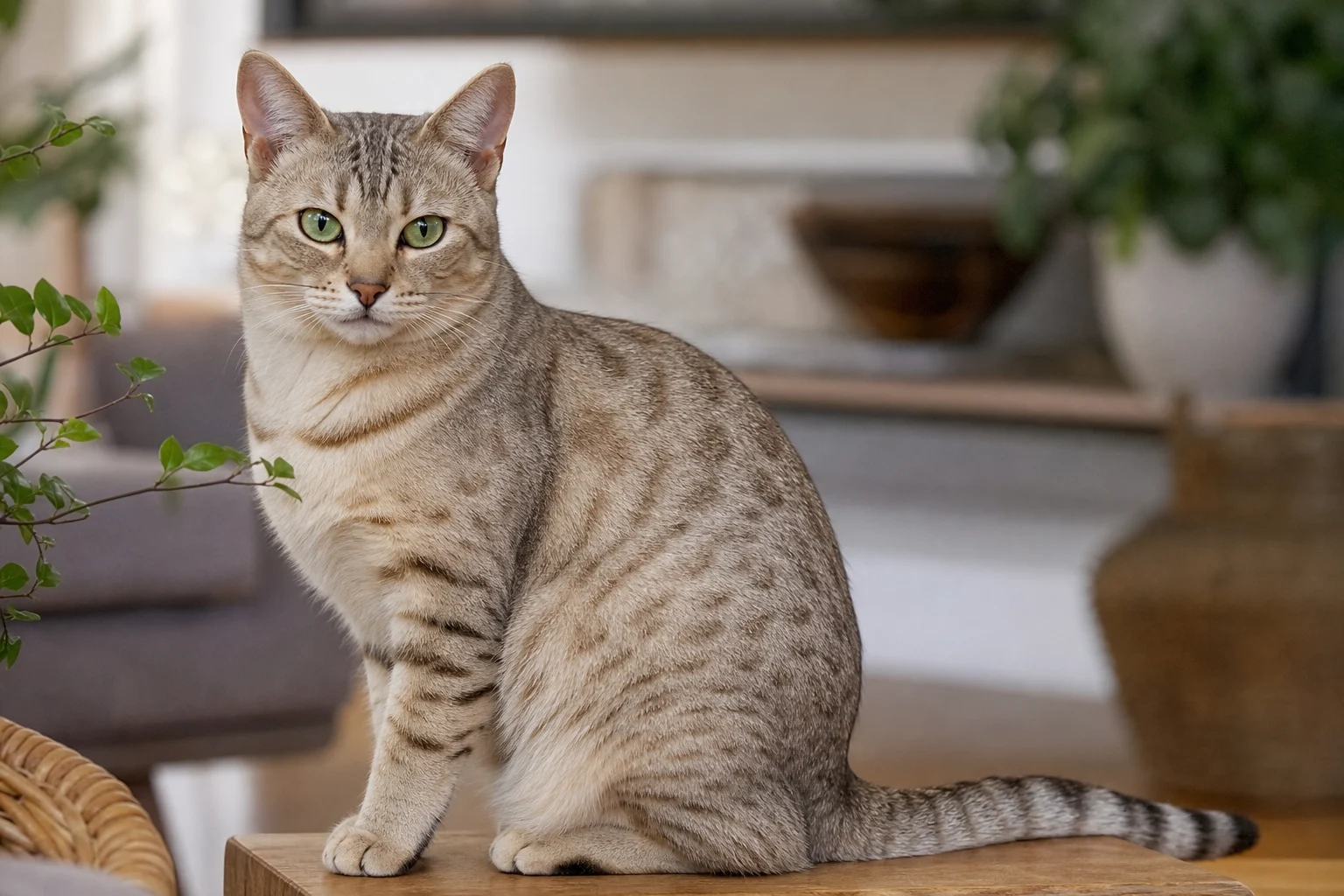
The European Shorthair and American Shorthair are the continental siblings; the Australian Mist the designed parallel from the southern hemisphere.
Who this breed suits
Families and first-timers who want an uncomplicated, healthy companion with Brazilian flair. The "Which cat fits me?" test confirms the broad fit.
Not sure what a Brazilian Shorthair may eat? The food checker rates individual foods on a traffic-light scale, and the food guide explains what cats can eat and what is toxic.
A good fit for you if …
Frequently asked questions
What is the Brazilian Shorthair?
Brazil's first recognised breed: the standardised form of the country's own street-cat population, like the European Shorthair for Europe — recognised by WCF in 1998.
How healthy is the breed?
Exceptionally — the broad street base avoided hereditary bottlenecks, and 14–20 years are normal.
How does it differ from the European Shorthair?
Build: the Brazilian runs sleeker and more elegant, tropical-street style, against the sturdier European frame. Virtues match.
Are Brazilians good family cats?
Very: patient, sociable, adaptable and robust — plaza life bred exactly these qualities.
How rare is the breed in Europe?
Genuinely rare — few breeders outside Brazil, so plan a patient search or consider the continental siblings.
How much grooming is needed?
A weekly polish — the functional short coat cares for itself.
Similar breeds
Sources: FIFe/TICA breed standard · breed association data · editorial assessment · Last updated 08/2026. On health questions this article never replaces a visit to the vet.