 AI
AIPixie-Bob
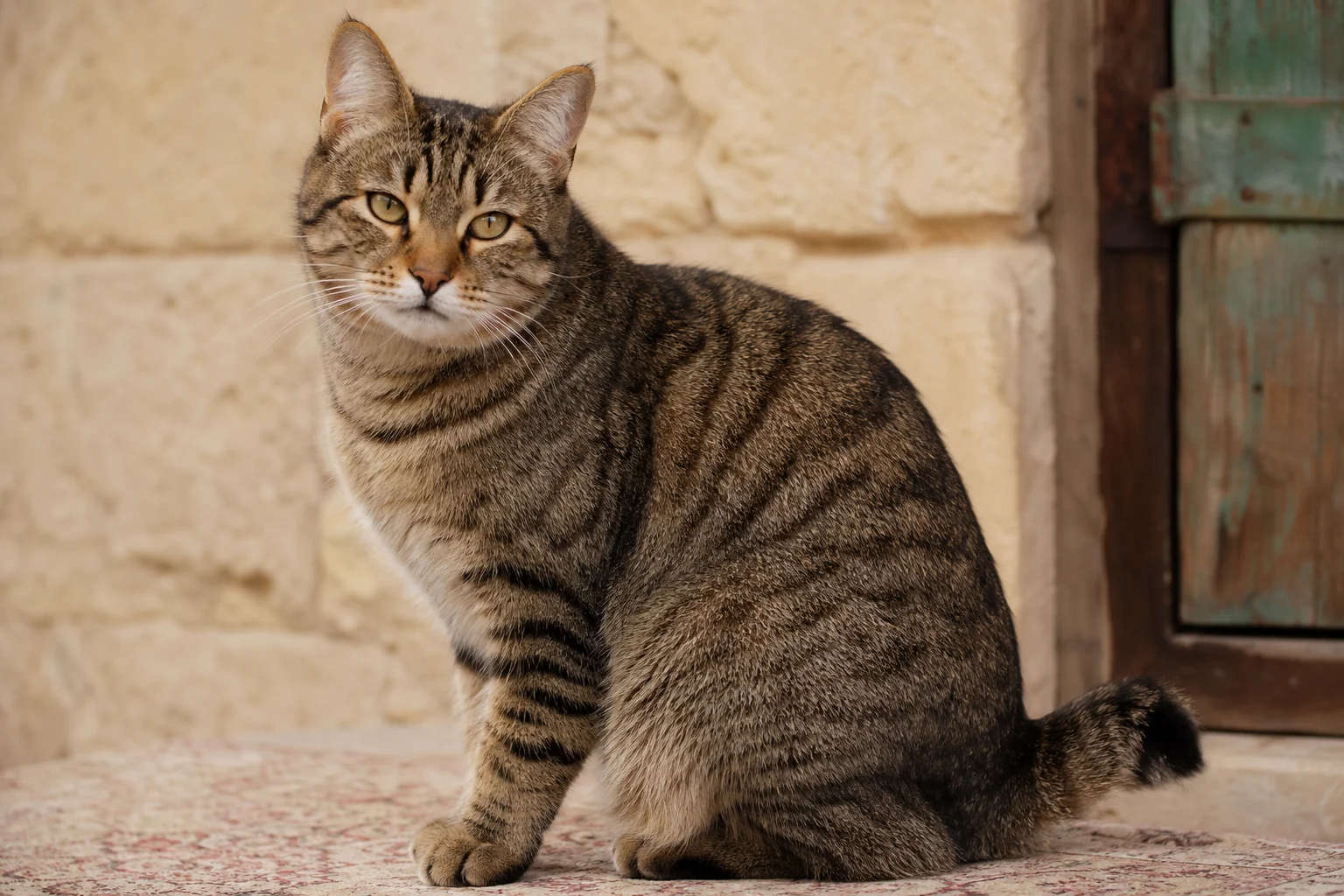
A bobcat lookalike with golden-retriever software — big paws, short tail, endless family patience.
| Size | Large |
|---|---|
| Weight | 4–8 kg |
| Life expectancy | 13–16 years |
| Origin | United States |
| Type | Pedigree breed (USA) |
| Grooming | medium |
| Activity needs | medium |
| Beginner friendly | well suited |
Temperament & suitability
Editorial assessment based on the FIFe breed standard and breed association data.
Guideline for movement & enrichment for this breed.
Traits
Origin & history
Washington State, 1985: Carol Ann Brewer took in a rangy, bob-tailed tom of rumoured bobcat parentage; his daughter Pixie founded the breed and lent it her name. Genetics later found no wildcat markers — the "legend cats" of the Pacific Northwest were domestic all along — but the look stuck: breeders select for maximum bobcat resemblance on strictly housecat temperament. TICA recognised the breed in 1994. A signature quirk: polydactyly is welcomed, and many Pixie-Bobs walk on up to seven toes per paw.
Appearance & size
Four to eight kilograms of woodsman build: a heavy-boned, muscular body, a short bobbed tail (five to fifteen centimetres), tufted ears, a wild-spotted brown coat in short or shaggy semi-long — and famously large, often extra-toed paws. The heavy brow over hooded eyes completes the bobcat stare; the growth curve runs slow, with full substance at four years.
Personality & temperament
Behind the wild stare runs retriever software: Pixie-Bobs bond deeply to the whole family, follow from room to room, ride in cars with composure, learn leashes fast and famously get along with children and dogs. The temperament is calm, confident and quietly communicative — chirps and chitters rather than meows. Breeders call them dogs in cat suits, and the description survives contact with reality.
Indoor or outdoor living
Flexible and unflappable: content indoors with solid climbing and play, enthusiastic about secured gardens and leash hikes. The trusting calm belongs behind safety nets. Frame in Indoor cat or outdoor cat?
Enrichment & activity
Moderate energy with working intelligence: daily play sessions, fetch, puzzle feeders and ideally leash adventures — the breed's calm makes it one of the best hiking cats. It matches household tempo rather than imposing its own.
Grooming
Weekly brushing for shorthairs, twice for the shaggy variant; the weatherproof coat mats rarely. Check polydactyl paws' extra claws regularly — they miss scratching wear and can overgrow.
Feeding & health
Feed the slow-maturing frame via the food amount calculator. A robust young breed; breeder questions: HCM checks and — line-dependent — heart and cryptorchidism history. The polydactyl paws are harmless; only claw care changes.
Costs
Kittens from tested lines cost €1,000–1,600 — rare in Europe, waiting lists normal. Running costs match a large cat; the cat cost calculator totals them.
For beginners, children and other pets
One of the best family choices in the wild-look category: patient with children, genuinely dog-friendly, cat-sociable and beginner-forgiving. The calm confidence handles busy households that would overwhelm sensitive breeds.
Similar breeds compared
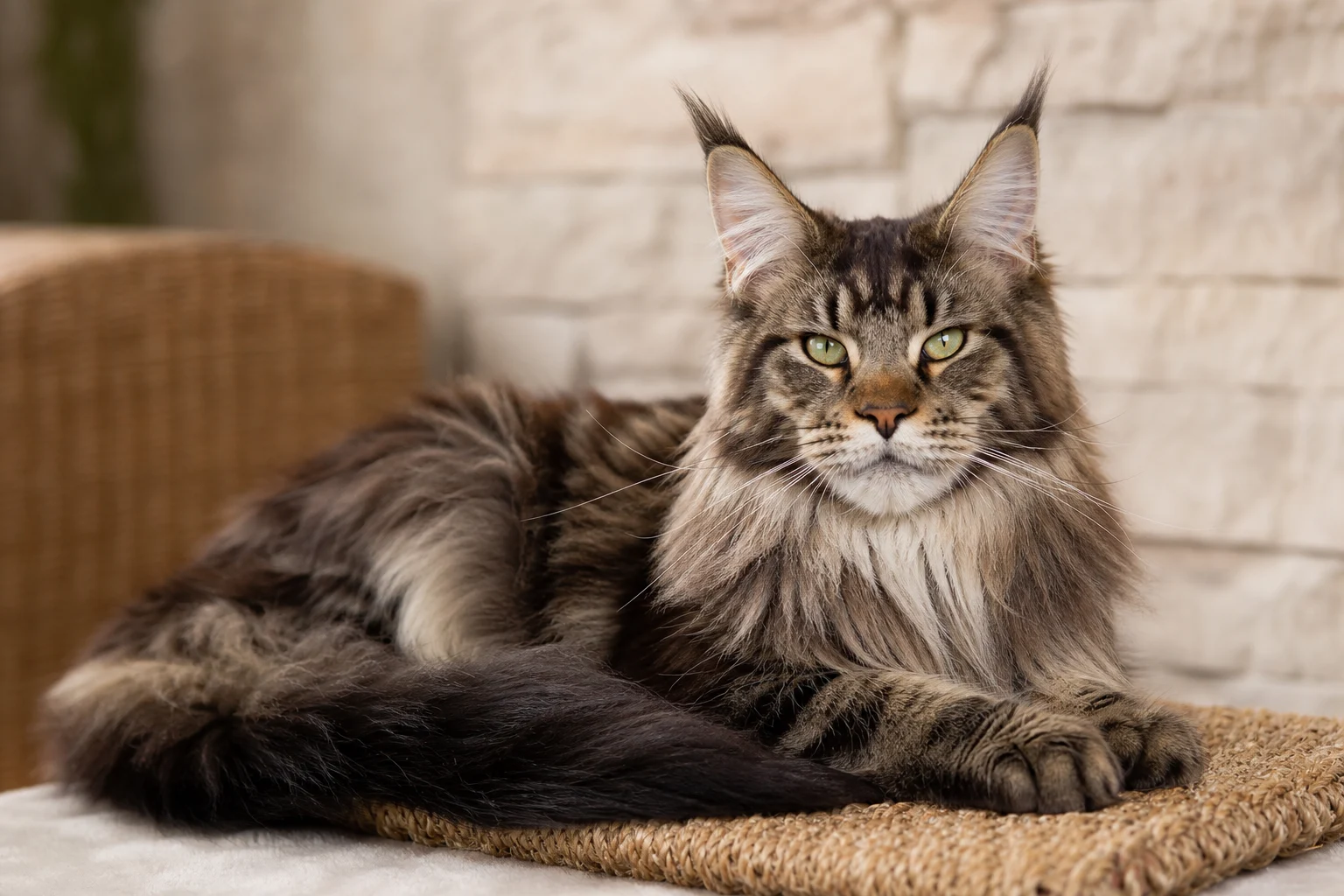
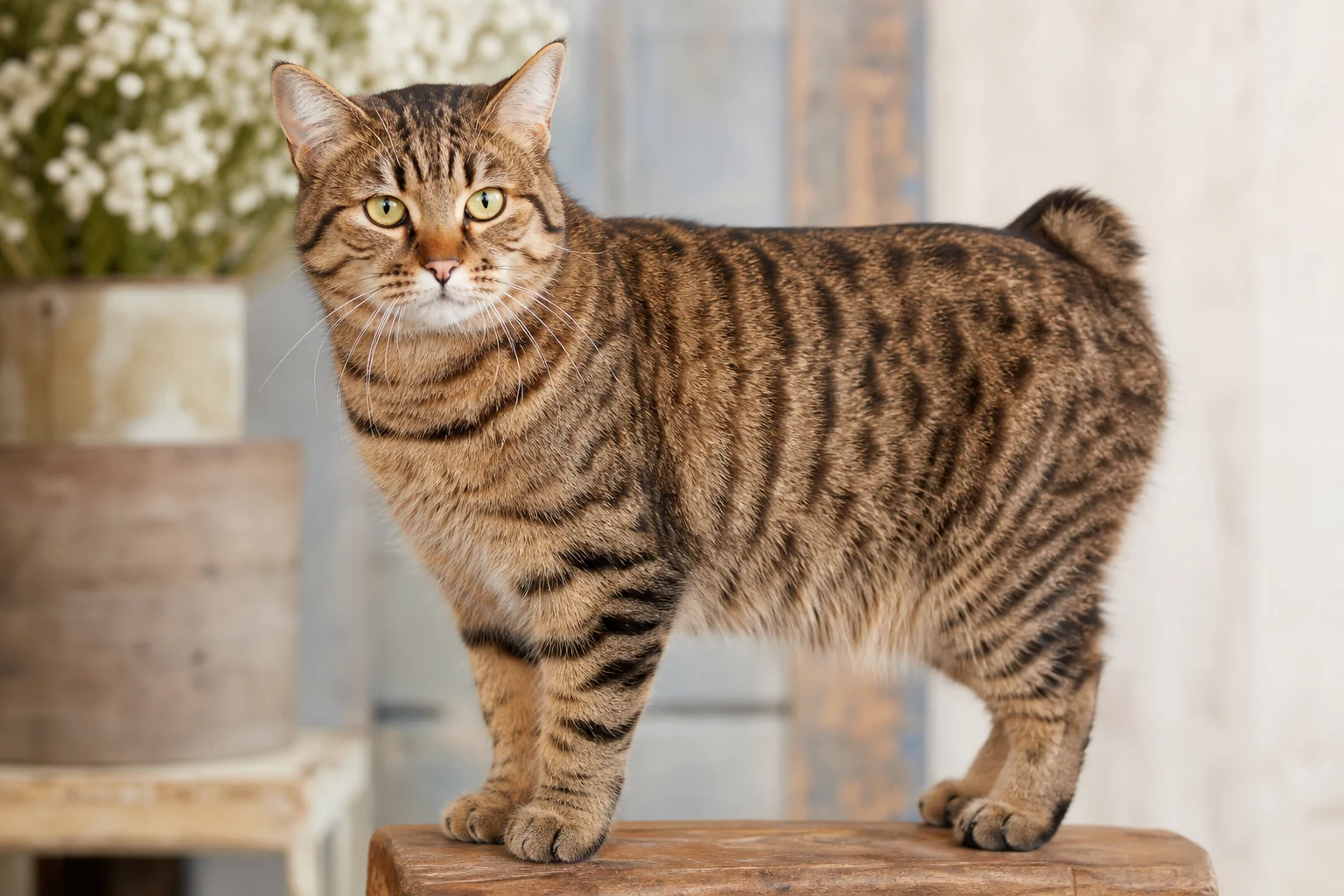
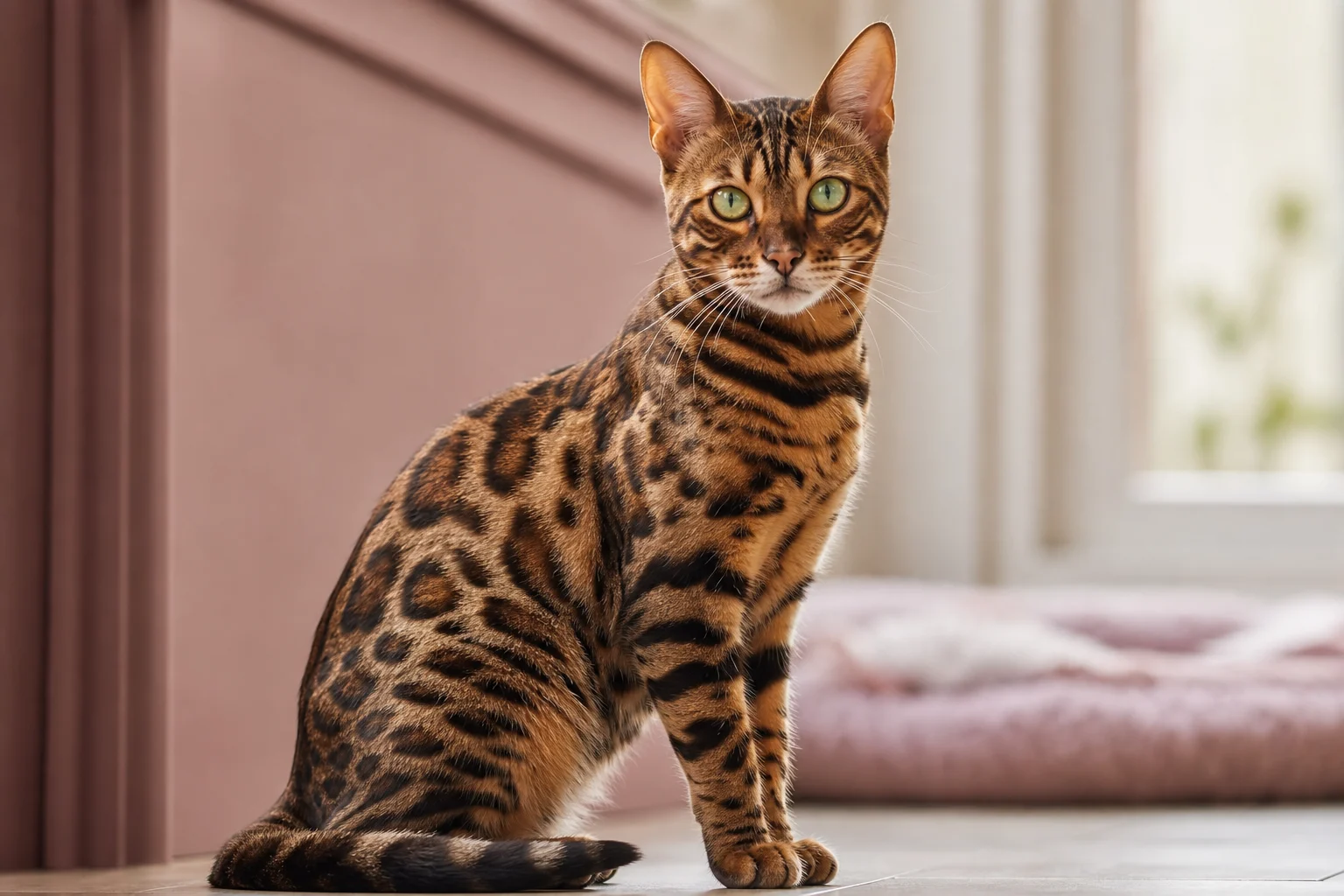
The Maine Coon shares scale and family warmth with more chat; the American Bobtail is the parallel bobbed-tail project; the Bengal offers wilder looks at triple the energy.
Who this breed suits
Families and outdoorsy households that want bobcat looks with hiking-buddy manners. The "Which cat fits me?" test confirms the fit.
Not sure what a Pixie-Bob may eat? The food checker rates individual foods on a traffic-light scale, and the food guide explains what cats can eat and what is toxic.
A good fit for you if …
Frequently asked questions
Is there bobcat blood in the Pixie-Bob?
Genetics says no — the founding 'legend cats' were domestic. The bobcat is a breeding ideal, not an ancestor.
Why do many Pixie-Bobs have extra toes?
Polydactyly is welcomed in the standard — up to seven toes per paw. Harmless; only the extra claws need trimming attention.
Are Pixie-Bobs really dog-like?
Famously: family shadowing, fetch, leash hikes and car composure are breed standard.
How big do they get?
Four to eight kilograms on heavy bones, mature only around four years — the presence reads bigger than the scale says.
Which health checks matter?
HCM checks and line questions on heart and cryptorchidism — the young breed rewards careful catteries.
Do Pixie-Bobs meow?
Rarely — chirps, chitters and trills carry the conversation.
Similar breeds
Sources: FIFe/TICA breed standard · breed association data · editorial assessment · Last updated 08/2026. On health questions this article never replaces a visit to the vet.