 AI
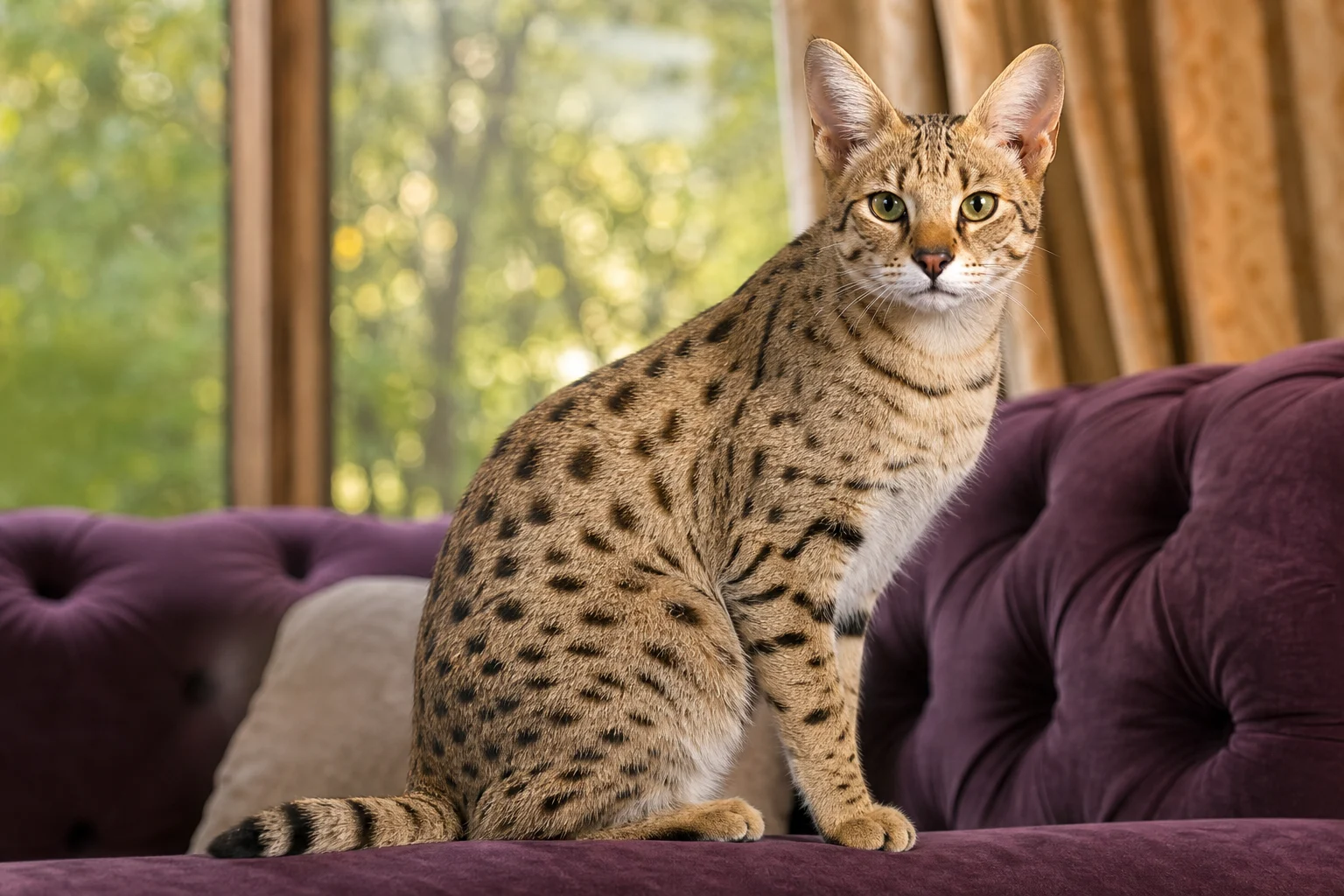
AISavannah
Half serval heritage, all commitment — the tallest, wildest domestic cat and a specialist's project.
| Size | Very large |
|---|---|
| Weight | 5–11 kg |
| Life expectancy | 12–18 years |
| Origin | United States |
| Type | Hybrid breed (USA) |
| Grooming | low |
| Activity needs | very high |
| Beginner friendly | with some experience |
Temperament & suitability
Editorial assessment based on the FIFe breed standard and breed association data.
Guideline for movement & enrichment for this breed.
Traits
Origin & history
In 1986 a domestic cat delivered a kitten fathered by an African serval — Savannah, name-giver of the most spectacular hybrid project in cat breeding. Later generations (F1 numbers count distance from the serval) were bred toward a reliably domestic partner in a wild frame. Legal reality matters here: in Germany, early generations (F1–F4) fall under wild-animal regulations with permit and enclosure requirements varying by federal state — check your state office before any purchase. From F5 on, the Savannah counts as a domestic cat, and only these generations belong in private homes.
Appearance & size
The tallest domestic cat: long legs, a lean five-to-eleven-kilogram frame, huge upright ears and bold black spots on golden, silver or smoky ground — a serval silhouette at house-cat scale. Later generations stay smaller than the F1 giants but keep the unmistakable look.
Personality & temperament
A Savannah is energy with an agenda: it jumps two metres from standing, learns leashes and fetch fast, opens doors as a hobby, loves water games and bonds intensely — often dog-like — to its people while staying reserved with strangers. Nothing about it is background: this cat patrols, investigates and participates, and its assertiveness needs experienced handling. Later generations (F5+) are markedly more domestic, but "calm lap cat" will never be the description.
Indoor or outdoor living
The housing question decides everything: a Savannah needs space, height and ideally a large, escape-proof catio or secured garden — this breed jumps and climbs at levels normal cat-proofing underestimates. A standard flat without outdoor extension under-serves it structurally. Plan enclosure quality first, cat second; the frame is in Indoor cat or outdoor cat?
Enrichment & activity
Hours, daily: long play sessions, leash walks, water games, clicker training, puzzle rotations and a companion animal that keeps pace. The Savannah is the cat equivalent of a working dog — under-employment produces a strong, clever, frustrated animal redesigning your home.
Grooming
The short spotted coat is trivial: weekly polish, done. All effort flows into engagement and infrastructure.
Feeding & health
An athlete's intake of high-protein food — portion via the food amount calculator at the generous end. Screening: HCM checks and PK deficiency where lines carry it; F-generation ancestry should be documented cleanly. A general vet caution: some Savannahs react sensitively to ketamine anaesthesia — brief your practice.
Costs
The premium project of cat keeping: F5+ kittens cost €1,500–3,000, earlier generations far more plus permit and enclosure costs. Add serious infrastructure and above-average food; the cat cost calculator gives the sobering total.
For beginners, children and other pets
Explicitly not a beginner cat and not a toddler companion — the size, strength and assertiveness demand experience and structure. With robust dogs it often thrives; smaller pets read as prey. This breed is a lifestyle decision for specialists who build their home around it.
Similar breeds compared
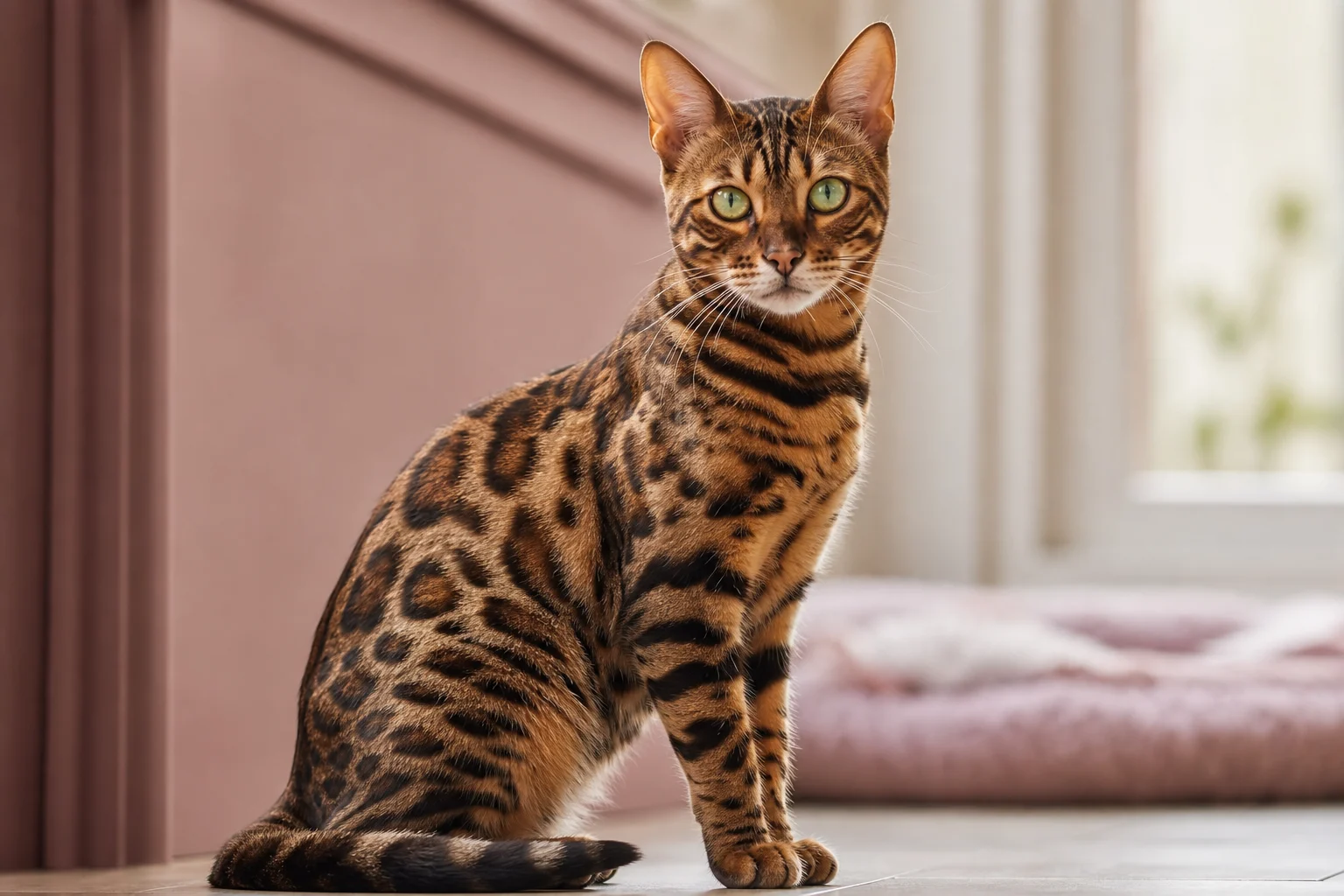
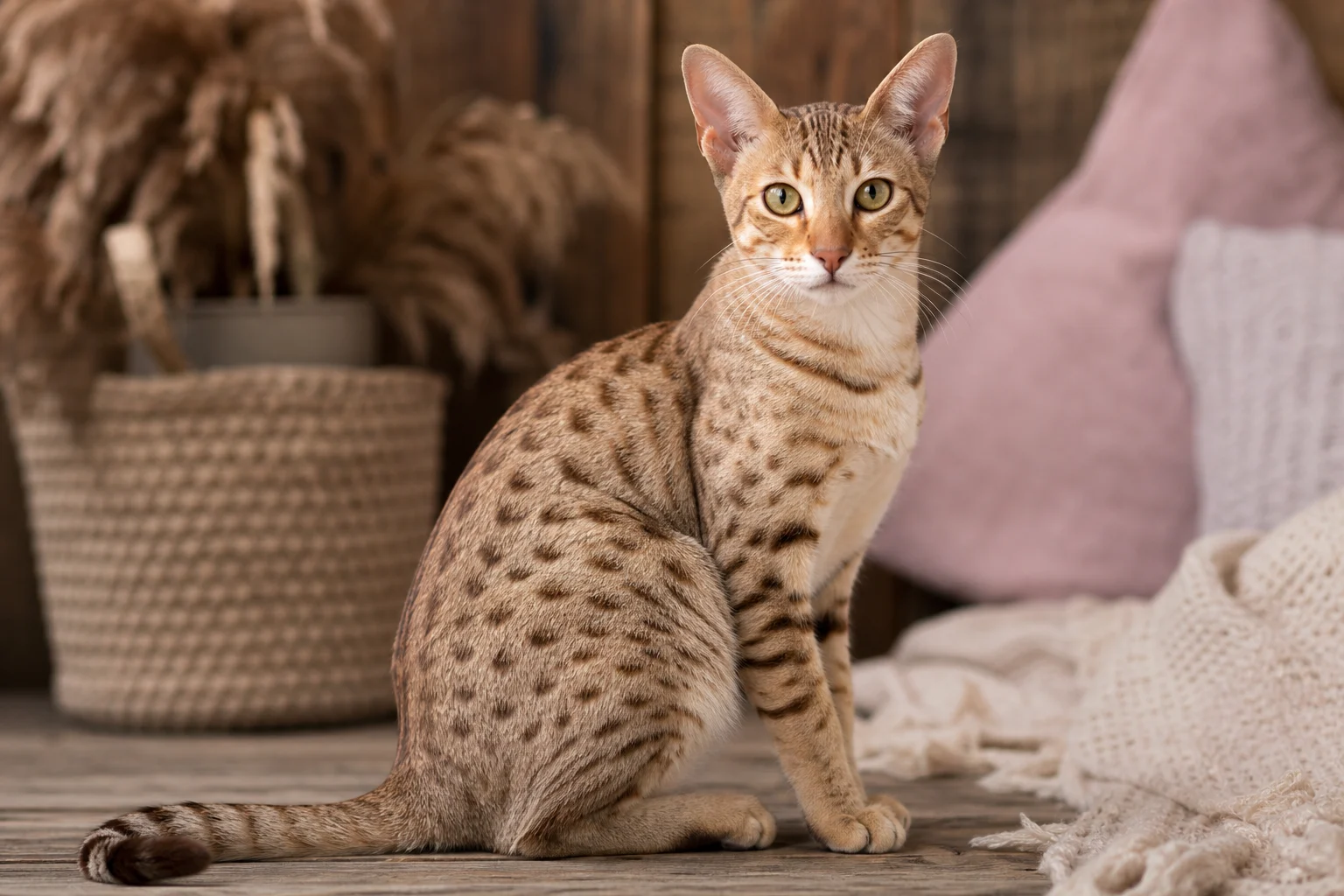
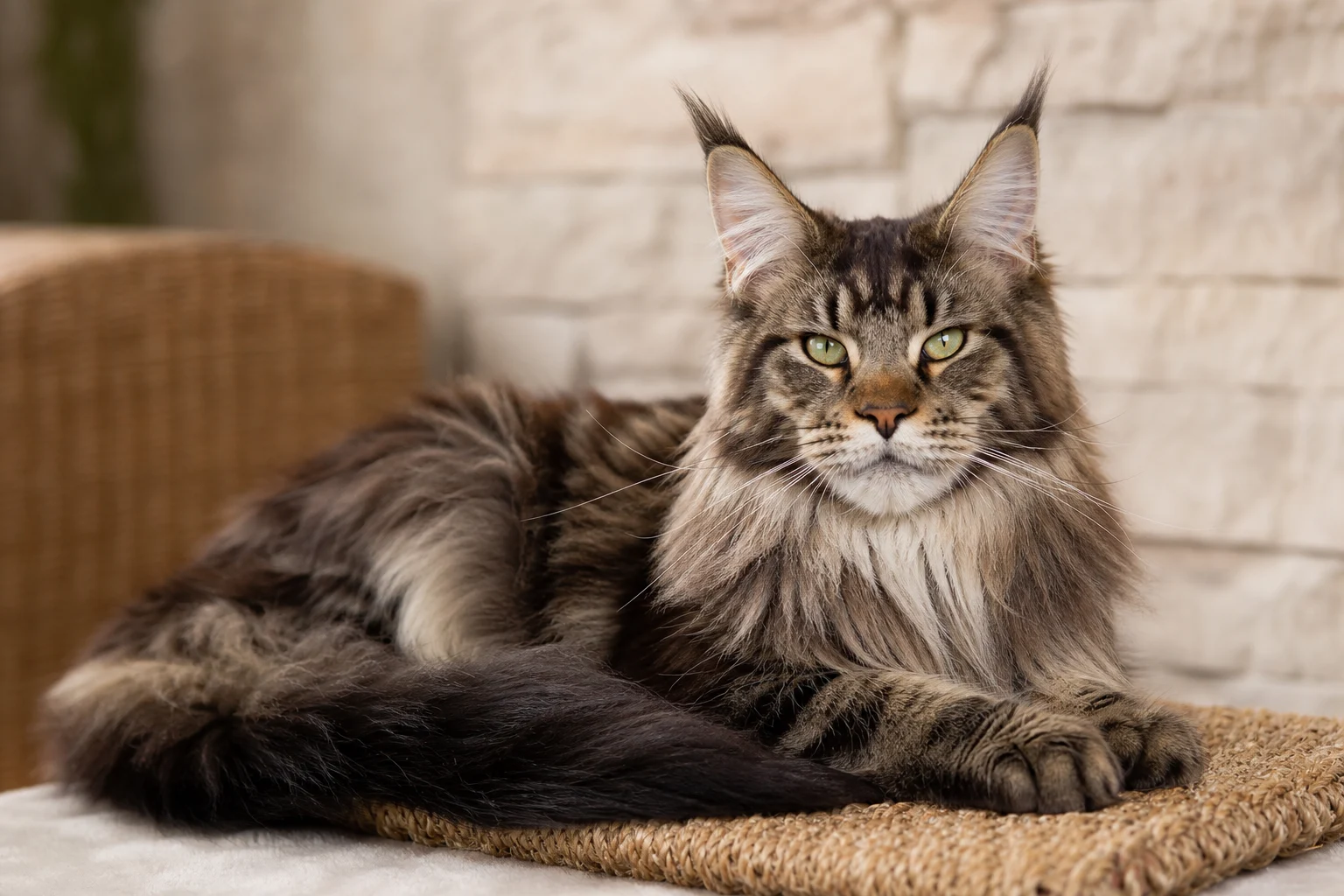
The Bengal offers wild looks with (relatively) household-scale demands; the Chausie is the jungle-cat hybrid parallel; the Ocicat delivers spots with none of the hybrid complexity.
Who this breed suits
Experienced keepers with space, budget, time and enclosure quality who want a spectacular animal partner and accept the responsibilities. Run the "Which cat fits me?" test honestly — for most households the Bengal or Ocicat is the wiser spotted answer.
Not sure what a Savannah may eat? The food checker rates individual foods on a traffic-light scale, and the food guide explains what cats can eat and what is toxic.
A good fit for you if …
Frequently asked questions
What do the F-numbers mean?
Generational distance from the serval: F1 has a serval parent, F2 a grandparent, and so on. From F5 the Savannah counts as a domestic cat; earlier generations face wild-animal regulations.
Is keeping a Savannah legal in Germany?
F5 and later: yes, as domestic cats. F1–F4 fall under state wild-animal rules with permit and enclosure requirements — check your federal state before buying.
How big do Savannahs get?
The tallest domestic cats: long-legged frames of five to eleven kilograms, F1–F2 individuals at the top end. Jumping power matches the height.
Are Savannahs dangerous?
Not aggressive, but strong, assertive and demanding. Inexperienced handling and under-employment create problems no other breed produces at this scale.
Which health notes matter?
HCM checks, clean ancestry documentation and the anaesthesia caution: brief your vet on possible ketamine sensitivity.
What is the sensible alternative?
The Bengal for wild looks at household demands, or the Ocicat for spots with golden-retriever manners.
Similar breeds
Sources: FIFe/TICA breed standard · breed association data · legal framework of the German federal states · editorial assessment · Last updated 08/2026. On health questions this article never replaces a visit to the vet.