 AI
AIAnatolian
Türkiye's sturdy all-rounder — the Van's shorthaired cousin with water curiosity and farm-cat health.
| Size | Large |
|---|---|
| Weight | 4–7 kg |
| Life expectancy | 13–17 years |
| Origin | Türkiye |
| Type | Natural breed (Türkiye) |
| Grooming | low |
| Activity needs | high |
| Beginner friendly | well suited |
Temperament & suitability
Editorial assessment based on the FIFe breed standard and breed association data.
Guideline for movement & enrichment for this breed.
Traits
Origin & history
The Anatolian is the natural shorthaired cat of the Anatolian plateau — in the view of many felinologists the original landrace from which the Turkish Van's longhair emerged, and possibly one of the oldest domestic cat populations anywhere: Anatolia sits at the heart of cat domestication history. German and Dutch breeders formalised the type from imported plateau cats; WCF recognised it in 2000. In Türkiye itself the cats simply live on as what they always were — the country's everyday cat.
Appearance & size
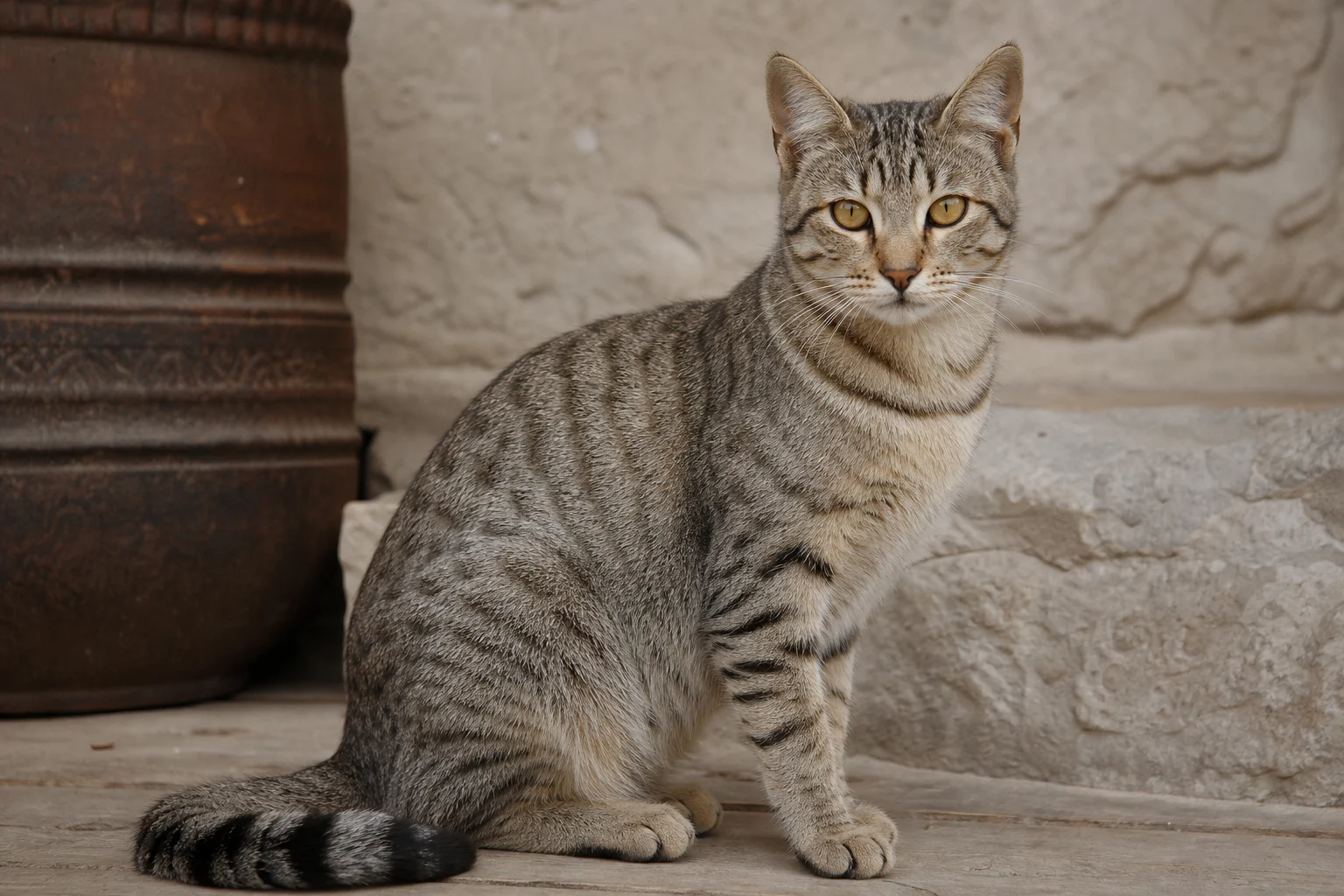
A sturdy, athletic four-to-seven-kilogram cat of pure function: muscular body, medium-long legs, a short dense coat without excess undercoat in nearly all colours — the auburn-capped white Van pattern included, as befits the kinship. Nothing is extreme; everything works. Life expectancy runs a healthy thirteen to seventeen years.
Personality & temperament
The plateau bred a confident pragmatist: lively but even, people-near without clinging, chatty in distinctive pigeon-like trills and famously water-curious — dripping taps and shallow bowls are entertainment. The Anatolian learns fast, greets household life with farm-cat competence and integrates with children, cats and sensible dogs without ceremony.
Indoor or outdoor living
Flexible and weatherproof: content indoors with climbing and play, in its element with secured outdoor access. The robust adaptability is the breed's signature. Frame in Indoor cat or outdoor cat?
Enrichment & activity
Daily hunt-style play, water games and puzzle feeders keep the plateau wits sharp; energy is solid mid-range with real off switches.
Grooming
A weekly polish suffices — the functional coat cares for itself.
Feeding & health
Farm-cat health: the broad landrace base avoided hereditary bottlenecks; general checks and — in white, blue-eyed individuals — BAER hearing tests are the standard questions. Portion via the food amount calculator.
Costs
Kittens cost €600–1,000 from the small European breeder circle. Running costs are baseline — the cat cost calculator totals them.
For beginners, children and other pets
A textbook family and beginner cat: robust, patient, sociable across species and forgiving. The Anatolian shares the healthy-original niche of the European Shorthair with Anatolian flair and water games on top.
Similar breeds compared
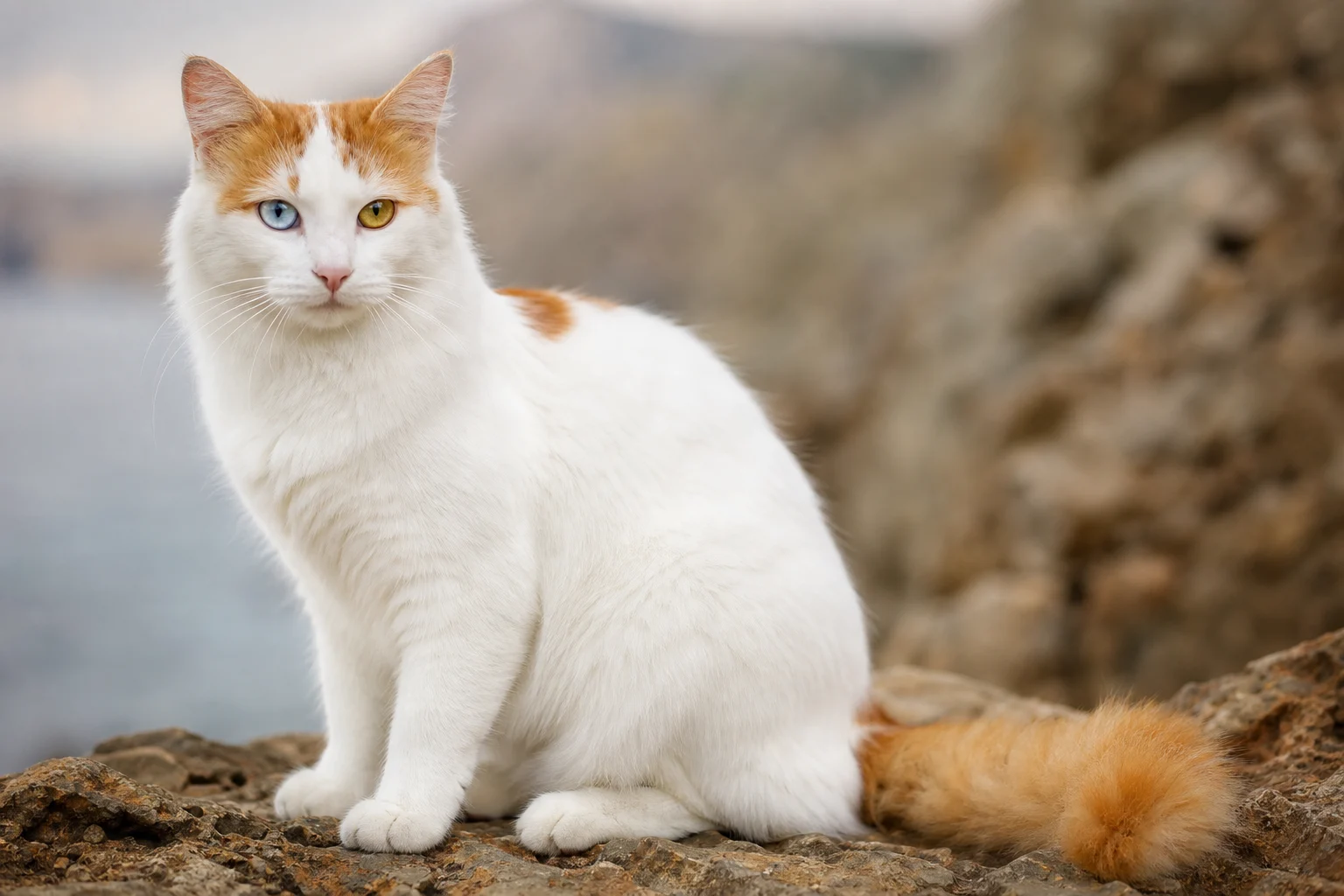
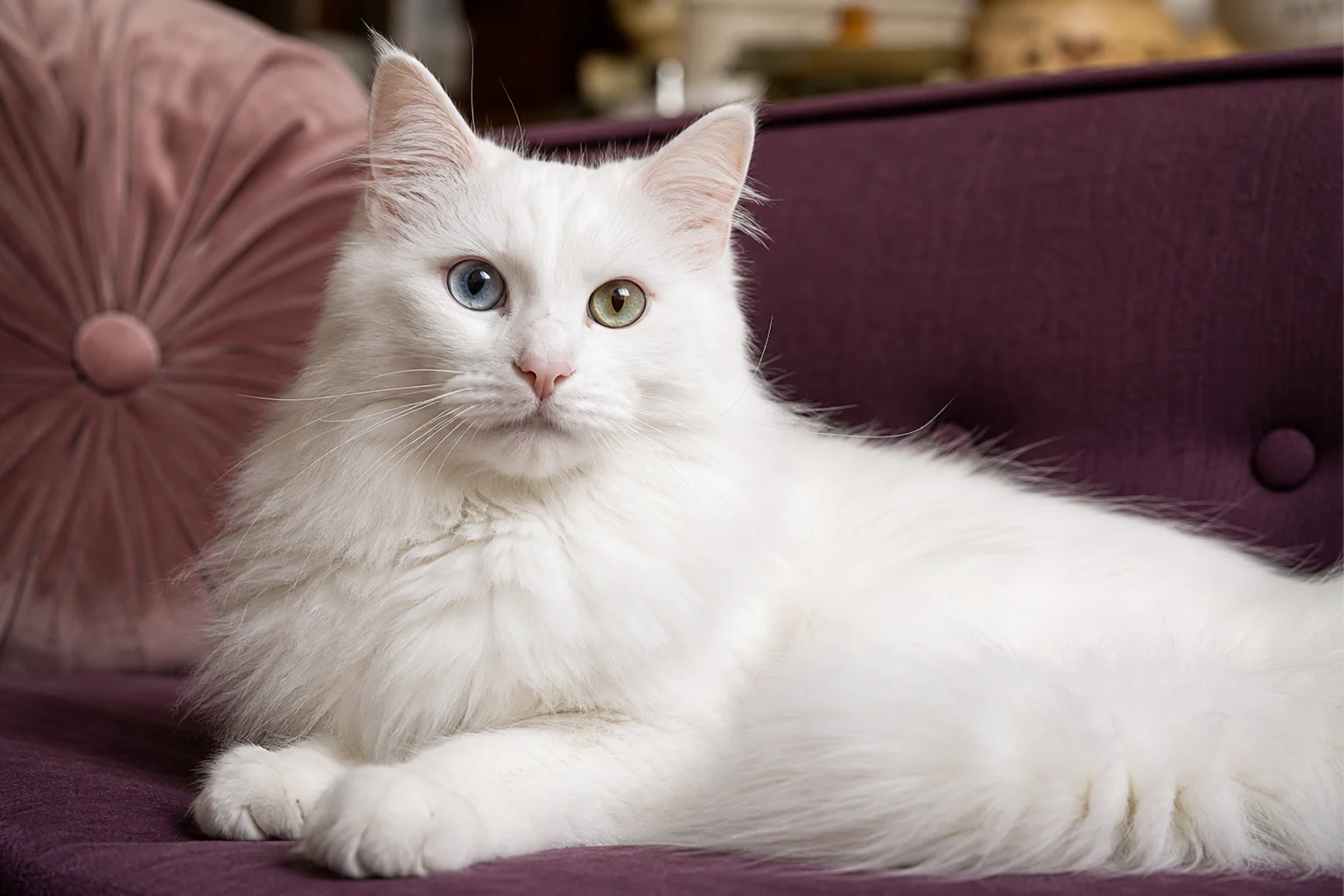
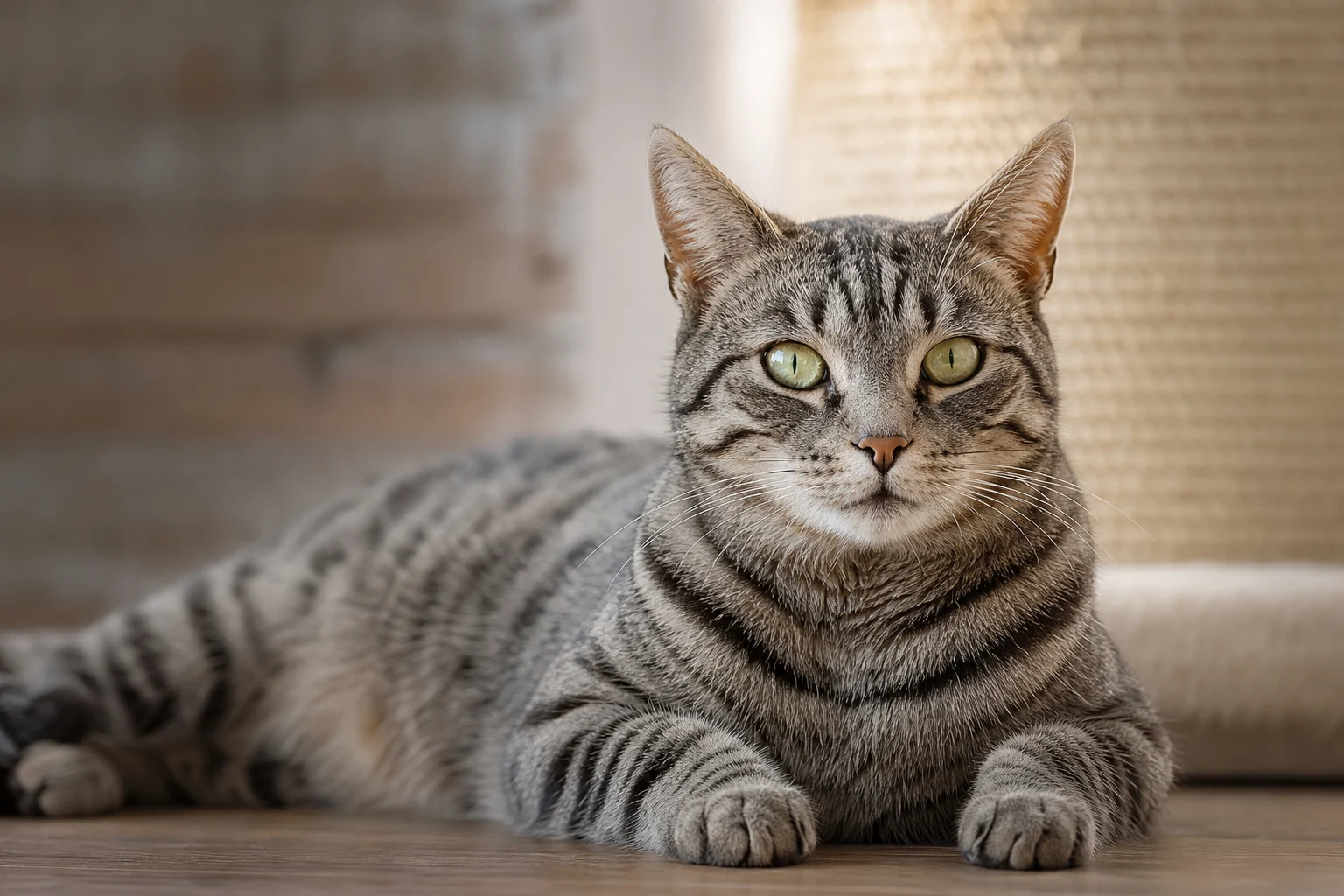
The Turkish Van is the longhaired, more demanding cousin; the Turkish Angora the fine silk compatriot; the European Shorthair the continental parallel.
Who this breed suits
Families and first-timers who want an uncomplicated, healthy companion with plateau history. The "Which cat fits me?" test confirms the broad fit.
Not sure what a Anatolian may eat? The food checker rates individual foods on a traffic-light scale, and the food guide explains what cats can eat and what is toxic.
A good fit for you if …
Frequently asked questions
Is the Anatolian the Turkish Van's ancestor?
Many felinologists see it that way: the shorthaired plateau landrace from which the Van's longhair variant emerged. Anatolia sits at the heart of cat domestication.
How does it differ from the Van?
Coat and temperament dosage: short, easy fur and a notch more even domestic pragmatism against the Van's semi-long athletic self-will.
Do Anatolians like water?
Notably — tap-watching and bowl games are breed entertainment, the Van kinship showing.
Which health questions matter?
General checks plus BAER hearing tests where white coats meet blue eyes. The landrace base is otherwise wonderfully sound.
What is the pigeon trill?
The breed's distinctive cooing vocalisation — Anatolians chat in trills rather than plain meows.
How rare is the breed in Europe?
The breeder circle is small but reachable — plan a modest search.
Similar breeds
Sources: FIFe/TICA breed standard · breed association data · editorial assessment · Last updated 08/2026. On health questions this article never replaces a visit to the vet.