 AI
AIDragon Li
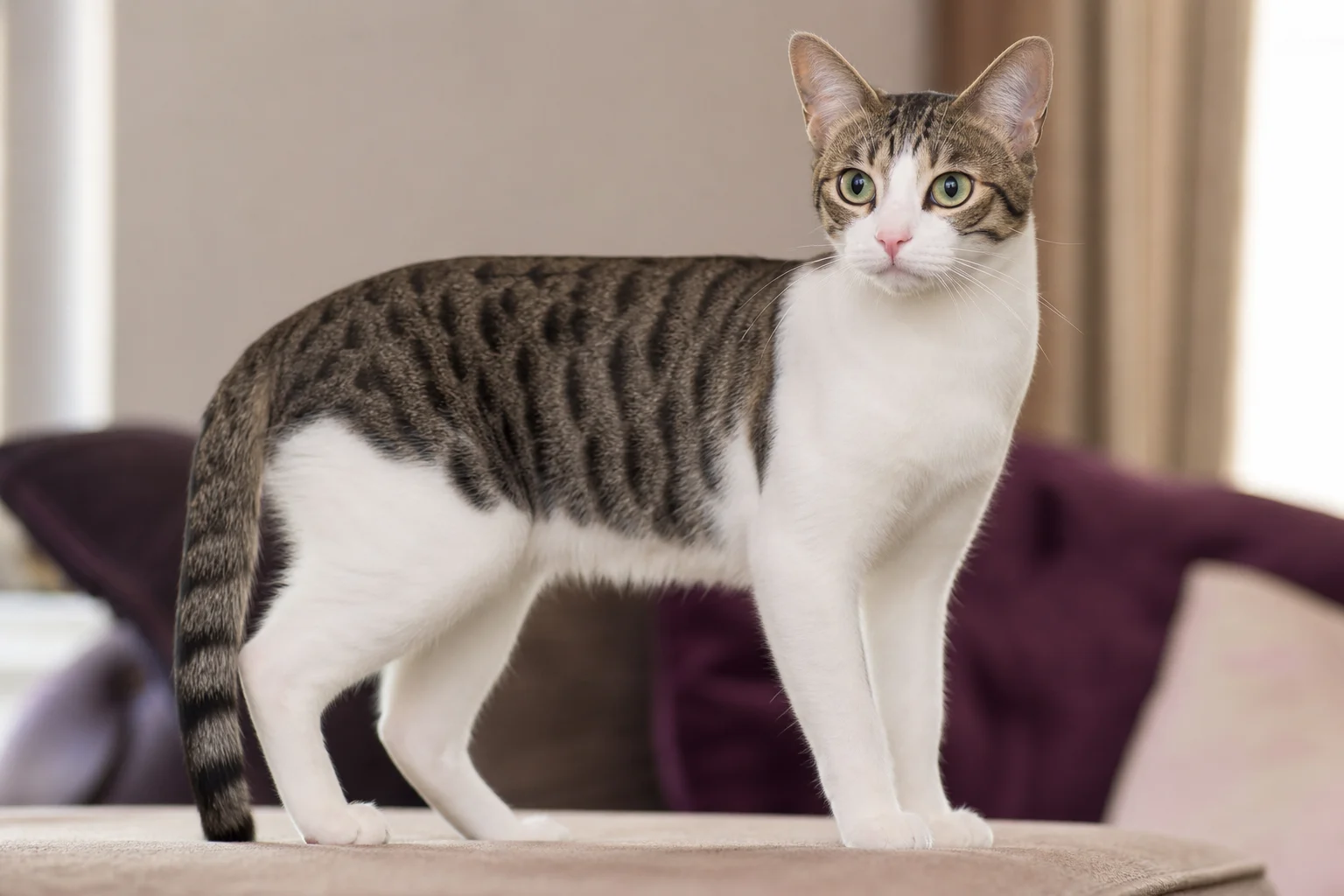
China's ancient tabby — a self-reliant, clever native with fox ears and working-cat honour.
| Size | Large |
|---|---|
| Weight | 4–7 kg |
| Life expectancy | 12–15 years |
| Origin | China |
| Type | Natural breed (China) |
| Grooming | low |
| Activity needs | high |
| Beginner friendly | well suited |
Temperament & suitability
Editorial assessment based on the FIFe breed standard and breed association data.
Guideline for movement & enrichment for this breed.
Traits
Origin & history
Chinese texts mention the Li Hua Mao — "fox-flower cat" — as far back as tales of a Tang emperor's mousers; the brown-mackerel native cat of China may descend from some of the earliest domestications in Asia. Formal breeding began only in 2003 in Beijing, and the CAA presented the breed internationally in 2010 under the export name Dragon Li. It remains China's working-cat pride: standardised barely, altered not at all.
Appearance & size
Four to seven kilograms of unexaggerated working build: a strong body, almond eyes in green to yellow, distinctive large ears — often with small fox-like tips — and one coat only: golden-brown broken mackerel with ticked hairs, the wild-type dress of Asia. Everything about the Li Hua says function over fashion.
Personality & temperament
Centuries of granary duty bred a self-reliant professional: the Dragon Li is intelligent, observant and level-headed, hunts anything mouse-shaped with dedication and bonds to its family in a loyal, undemonstrative way — present and devoted without velcro theatrics. It is famously gentle in play (bite inhibition is a noted trait), reserved with strangers and confident everywhere else. Fanciers tell of Li Huas fetching newspapers; the working spirit is real.
Indoor or outdoor living
Flexible with a preference for territory: secured outdoor access or a catio suits the working heritage best, though a climbing-equipped flat with hunting games keeps it content. Frame in Indoor cat or outdoor cat?
Enrichment & activity
Daily hunt-style sessions and puzzle feeders are the currency — this cat wants employment more than entertainment. Energy is solid mid-high with professional off-duty calm.
Grooming
A weekly polish; the functional coat cares for itself.
Feeding & health
Landrace-sound: no known breed-specific diseases; general checks are the standard ask. Portion via the food amount calculator — working appetites deserve working portions.
Costs
Kittens cost €900–1,500 where obtainable — outside China the breed is a genuine rarity with import-level searches. Running costs are ordinary; the cat cost calculator totals them.
For beginners, children and other pets
Good with respectful children and known dogs; the self-reliant streak suits households that value a partner over a lap fixture. Beginners manage the cat easily — obtaining one is the actual challenge.
Similar breeds compared
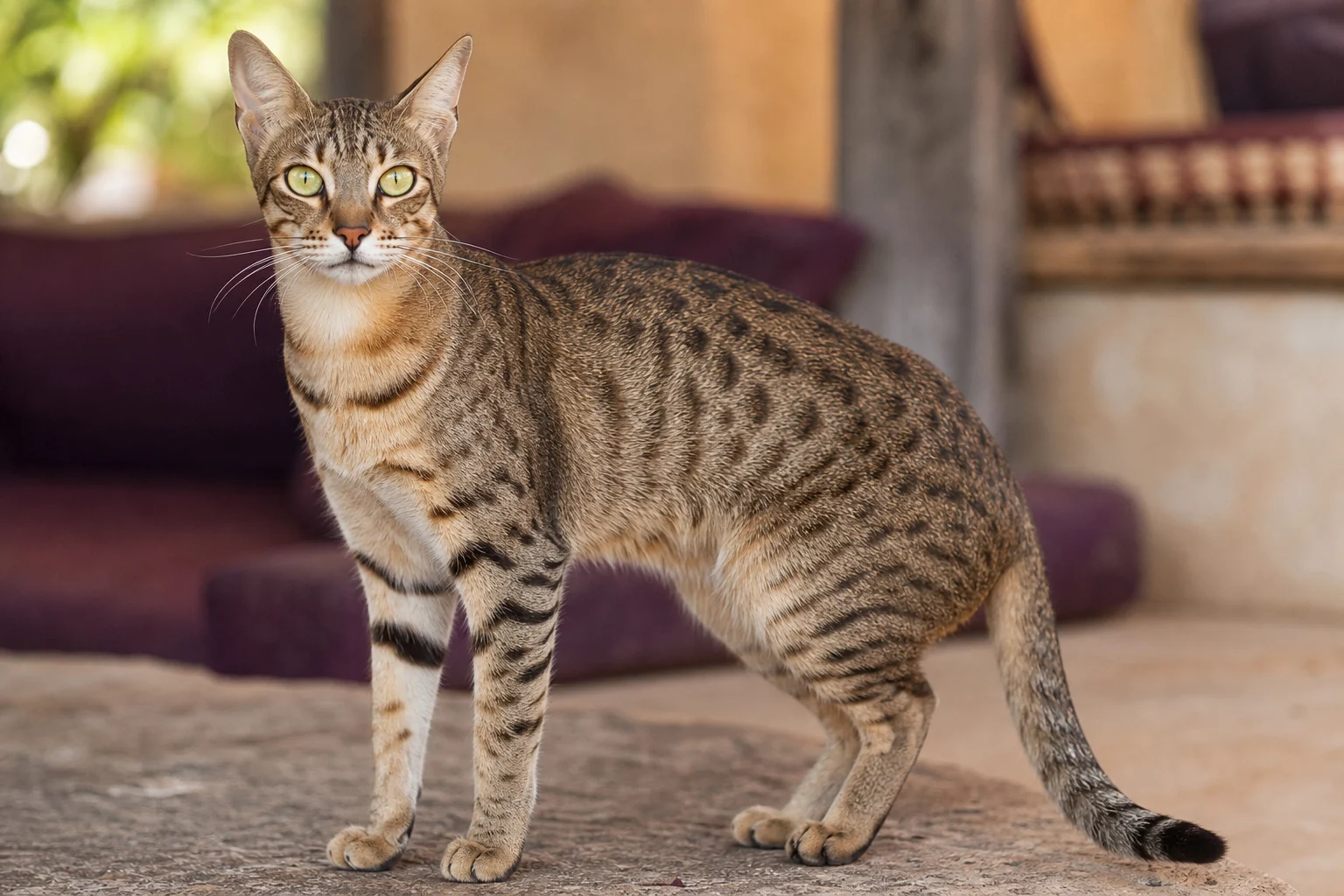
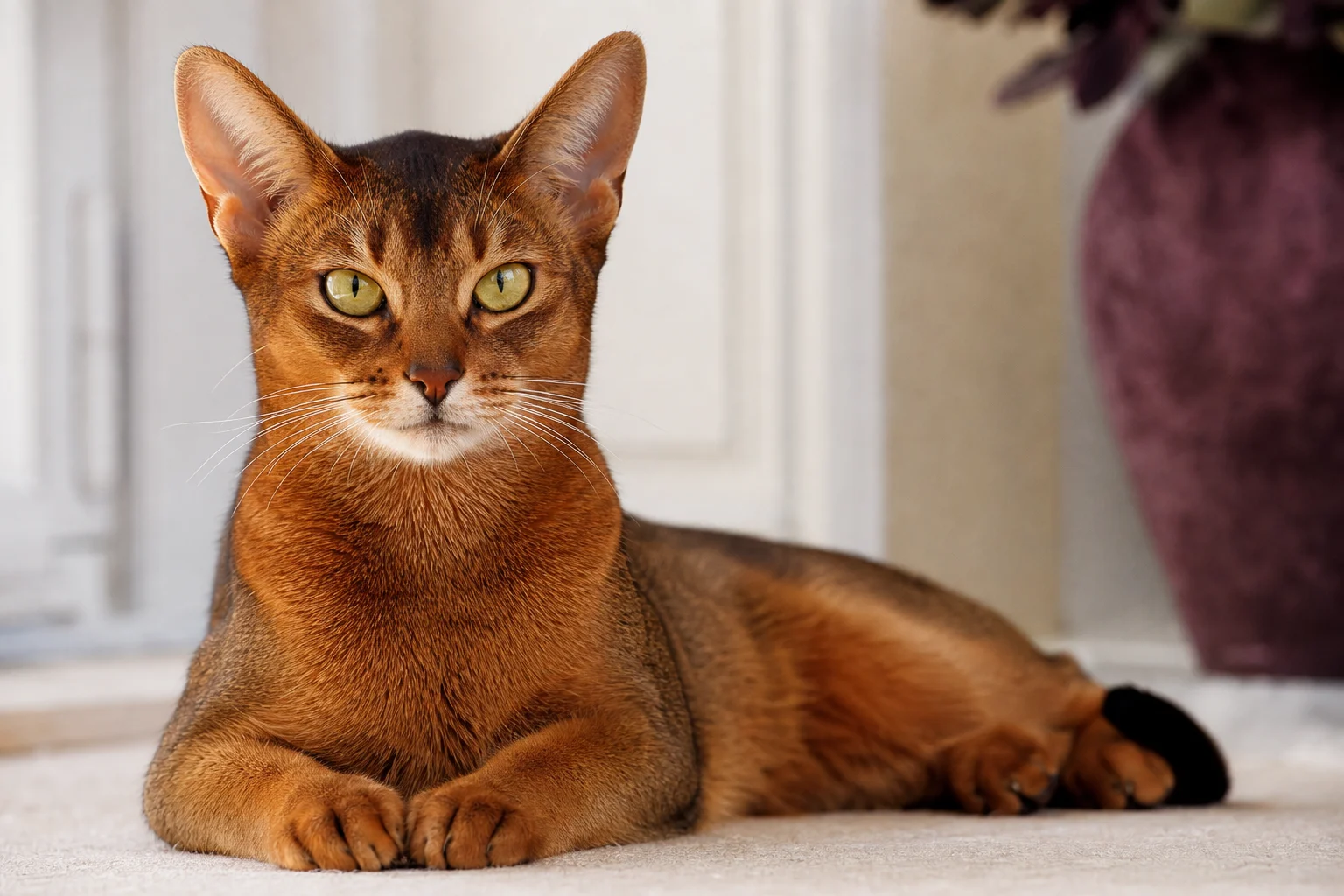
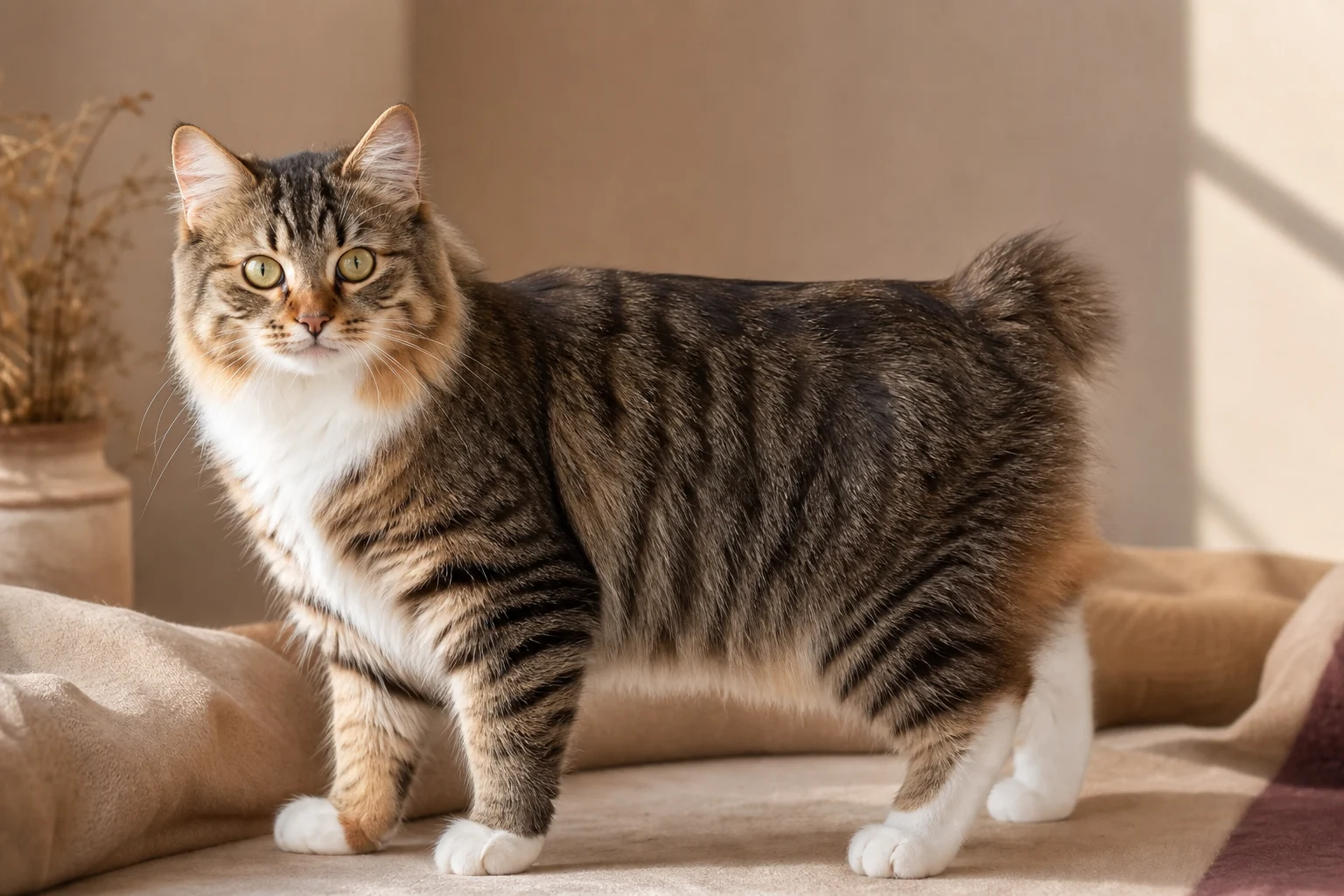
The European Shorthair is the Western landrace parallel; the Sokoke the African forest counterpart; the Kurilian Bobtail shares the working-island pragmatism.
Who this breed suits
Households that respect quiet working competence and want a piece of Chinese cat history. The "Which cat fits me?" test checks the practical fit.
Not sure what a Dragon Li may eat? The food checker rates individual foods on a traffic-light scale, and the food guide explains what cats can eat and what is toxic.
A good fit for you if …
Frequently asked questions
What does Li Hua mean?
'Fox-flower cat' — China's ancient name for its brown-mackerel native, exported as Dragon Li in 2010.
How old is the breed really?
The population is ancient — possibly among Asia's earliest domestications; the formal standard dates only to 2003.
Are Dragon Lis affectionate?
Loyally, in working-cat style: present, devoted and gentle without theatrics. The noted bite inhibition makes play remarkably soft.
Which health questions matter?
General checks — the unaltered landrace carries no known breed-specific diseases.
Can a Li Hua live indoors?
Yes, with climbing and daily hunting employment — though secured outdoor territory honours the heritage best.
How rare is the breed outside China?
Very — imports and long searches are the norm. Patience is part of the purchase.
Similar breeds
Sources: FIFe/TICA breed standard · breed association data · editorial assessment · Last updated 08/2026. On health questions this article never replaces a visit to the vet.