 AI
AIMunchkin
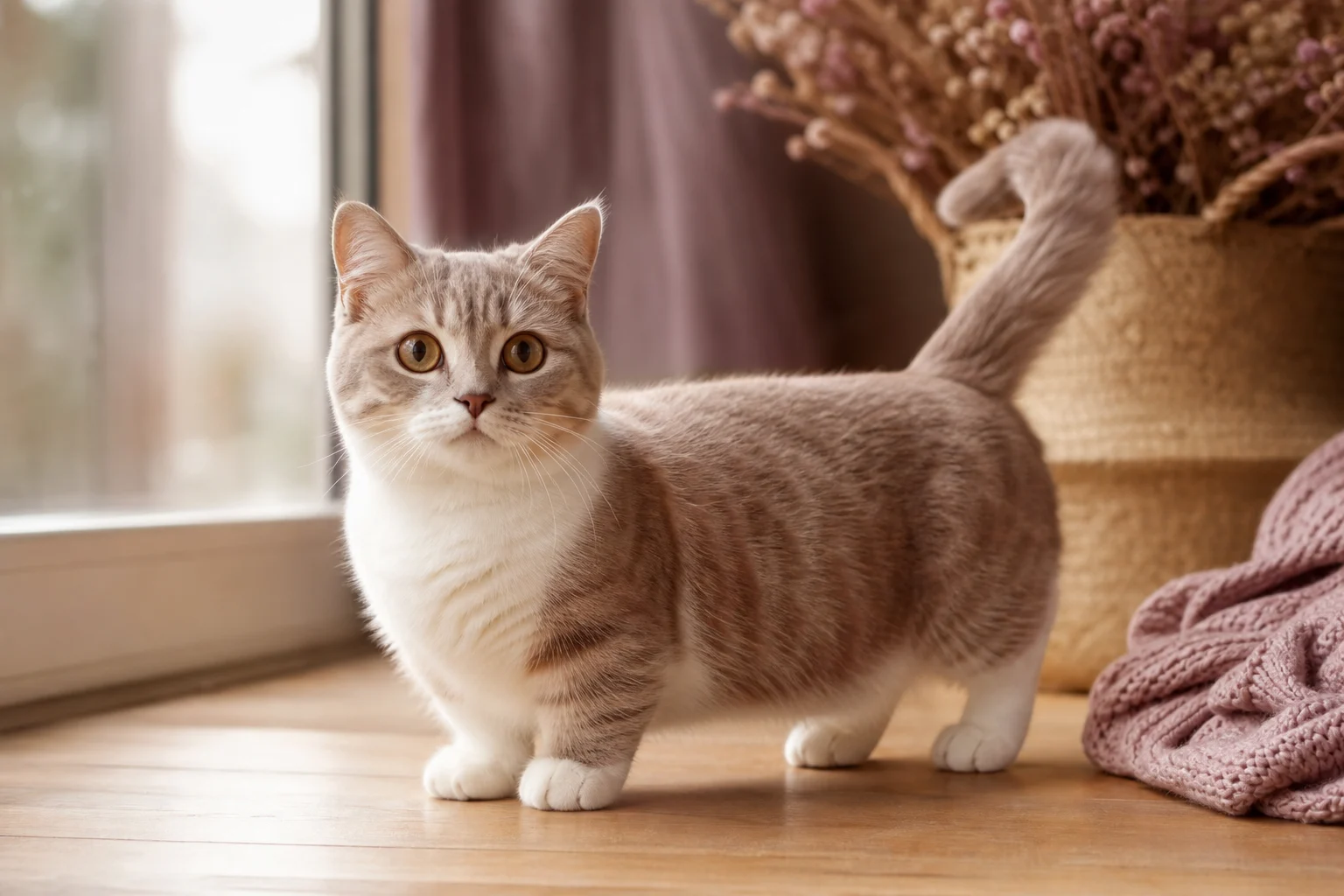
Short legs by mutation — a merry, sweet-natured cat whose build every buyer must weigh honestly.
| Size | Small |
|---|---|
| Weight | 2–4 kg |
| Life expectancy | 12–15 years |
| Origin | United States |
| Type | Pedigree breed (USA) |
| Grooming | medium |
| Activity needs | high |
| Beginner friendly | with some experience |
Temperament & suitability
Editorial assessment based on the FIFe breed standard and breed association data.
Guideline for movement & enrichment for this breed.
Traits
Origin & history
Louisiana, 1983: a rescued pregnant stray named Blackberry carried the dominant mutation that shortens leg bones — and founded the breed named after the Wizard of Oz's little people. TICA recognised it in 1995 against loud protest; FIFe and most European registries refuse to this day, and German veterinary bodies class short-legged breeding among the harmful-breeding ("Qualzucht") candidates. We profile the Munchkin because people search for it — with the physics stated plainly.
Appearance & size
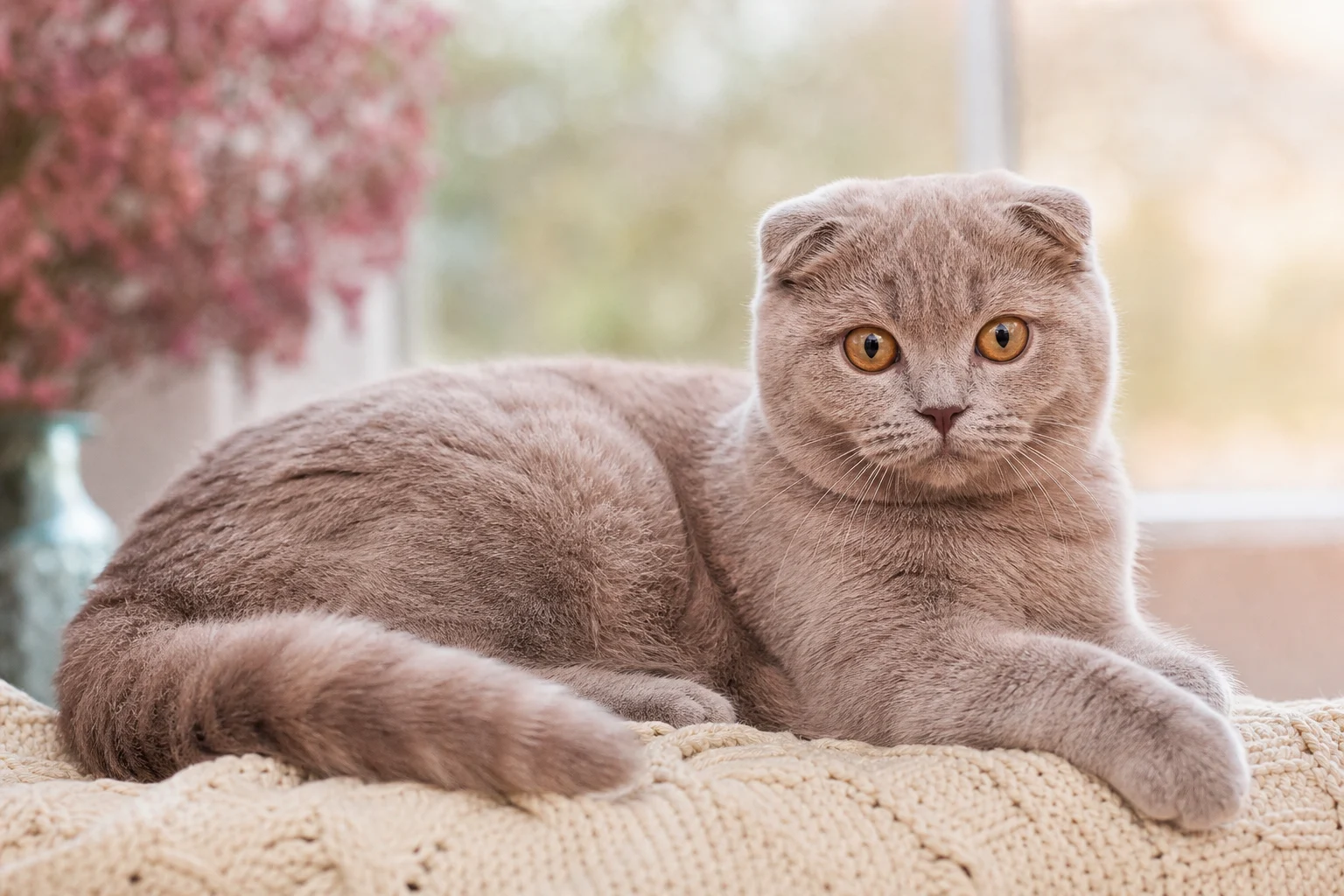
A two-to-four-kilogram cat on legs roughly a third shorter than normal, in every coat length, colour and pattern. The famous "prairie dog" sit — upright on haunches to see further — is breed folklore. Like the Scottish Fold gene, the Munchkin mutation is homozygous-lethal: short-legged cats are always bred to long-legged partners, and normal-legged littermates occur in every litter.
Personality & temperament
Character is the breed's genuine charm: Munchkins are merry, confident, people-loving and playful — speed on the straight is real, and cornering agility is famous, but high jumps stay physically rationed. They hoard shiny objects magpie-style, sit prairie-dog upright and integrate warmly with children, cats and gentle dogs.
Indoor or outdoor living
Indoors with ramp-friendly furniture: steps and low platforms replace the high jumps other cats take for granted. A secured balcony pleases; roaming does not fit the build. Frame in Indoor cat or outdoor cat?
Enrichment & activity
Floor-level play is the sweet spot: chase games, puzzle feeders, tunnel courses. Watch the movement honestly — reluctance, stiffness or bunny-hopping beyond the breed gait belongs at the vet, not in the anecdote folder.
Grooming
Weekly brushing for shorthairs, twice for longhairs — plus a hand where the short legs cannot reach: hindquarter grooming assistance is part of the deal.
Feeding & health
The honest chapter: shortened long bones change joint loading, and lordosis (spine sagging) plus pectus excavatum (funnel chest) occur at elevated rates in the breed. Strict lean weight via the food amount calculator is non-negotiable — every excess gram loads compromised joints. Buy, if at all, only from catteries that X-ray-document spines and chests; better still, consider the long-legged littermates ("non-standard Munchkins"), which carry the charm without the burden.
Costs
Short-legged kittens command €900–1,500 — and the honest budget adds orthopaedic diagnostics over the years. The cat cost calculator plus vet reserve gives the real picture.
For beginners, children and other pets
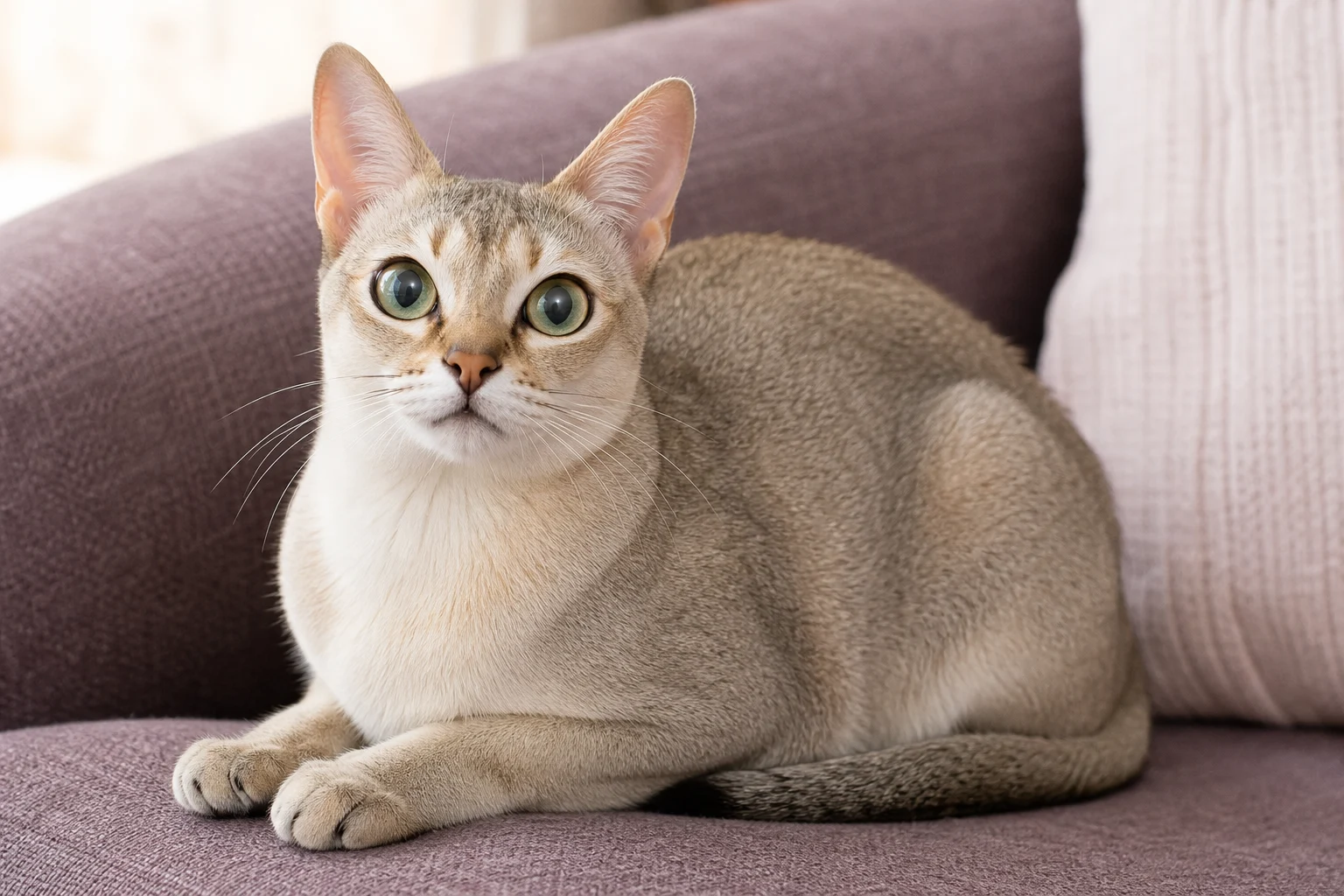
Temperament-wise family-friendly throughout. The responsible recommendation mirrors the Scottish Fold case: existing Munchkins deserve loving, weight-disciplined homes with ramp infrastructure — while financing new short-leg breeding deserves reconsideration. Long-legged littermates and small breeds like the Singapura offer the compact charm health-neutrally.
Similar breeds compared
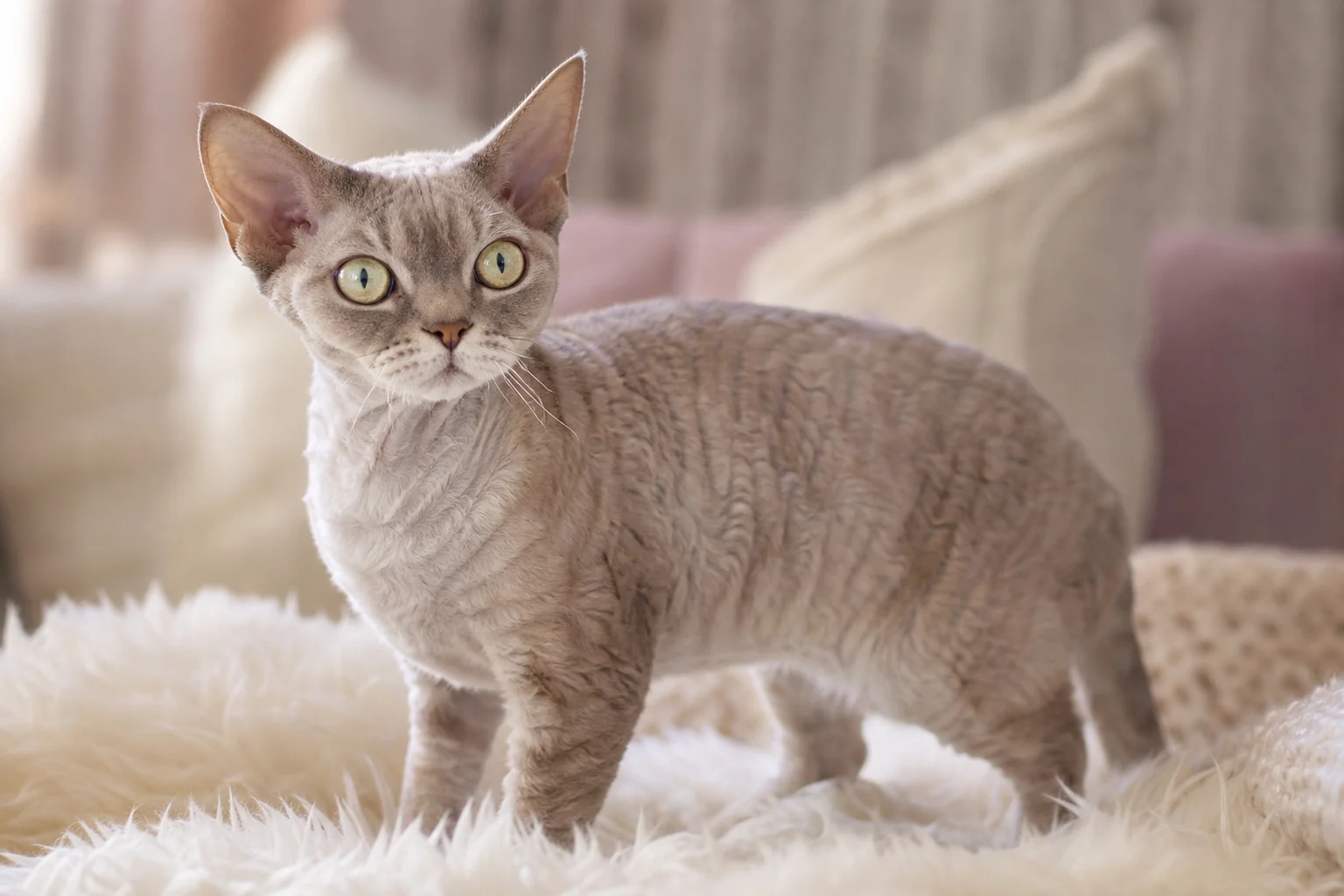
The Singapura is small on healthy legs; the Devon Rex compact, merry and sound; derived dwarf breeds (Bambino, Minuet) stack the leg gene onto further extremes — reviewed under their own names.
Who this breed suits
Honestly: existing Munchkins need informed, gentle homes — new purchases deserve the questions this profile raises. The "Which cat fits me?" test gladly surfaces sound compact alternatives.
Not sure what a Munchkin may eat? The food checker rates individual foods on a traffic-light scale, and the food guide explains what cats can eat and what is toxic.
A good fit for you if …
Frequently asked questions
Why are short legs controversial?
The mutation shortens long bones and changes joint loading; lordosis and funnel chest occur at elevated rates. European registries refuse recognition, and German veterinary bodies class the breeding as a harmful-breeding candidate.
Can Munchkins jump?
Lower and less — sofas usually yes, wardrobes no. Ramps and steps restore access; the famous cornering speed is real.
What is the prairie-dog sit?
The upright haunches-sit to see further — breed folklore and genuinely common.
Are there healthy Munchkins?
Long-legged littermates carry none of the leg gene — the charm without the burden. Short-legged individuals vary; X-ray-documenting catteries are the minimum.
Is the gene lethal?
Homozygous, yes — embryos with two copies die. Short-legged cats are therefore always paired with long-legged partners.
What is the responsible alternative?
Long-legged littermates, the Singapura for compact size, or adopting existing Munchkins rather than financing new breeding.
Similar breeds
Sources: FIFe/TICA breed standard · breed association data · veterinary literature on chondrodysplasia · editorial assessment · Last updated 08/2026. On health questions this article never replaces a visit to the vet.